DOJ Debunks Social Media Claim of LA Mayor Vote Discrepancy
Sandego.net – The Department of Justice (DOJ) has refuted a viral social media claim that suggested a flaw in the vote count for Los Angeles’s mayoral election. The assertion, which gained momentum on platforms like X, claimed that Republican candidate Spencer Pratt received no additional votes in a late update. The DOJ clarified that the counts were accurate, stating all candidates were represented in the data. This response comes as President Donald Trump continues to cast doubt on California’s election procedures, amplifying concerns over vote integrity.
Trump’s Continued Skepticism Amid Election Delays
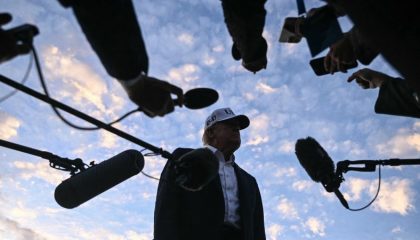
President Donald Trump, known for his frequent challenges to election outcomes, used the extended counting period to fuel skepticism. During a recent appearance on NBC’s “Meet the Press,” he accused local officials of manipulating results, calling the process “cheating.” His comments echoed previous claims from the 2020 presidential election, where he alleged widespread fraud. In the context of the LA mayor race, Trump framed the delay in finalizing vote totals as evidence of Democratic influence.
“Your elections in this country — we’re like a third-world country,” Trump said, dismissing the need for proof before branding the reporter as “crooked.”
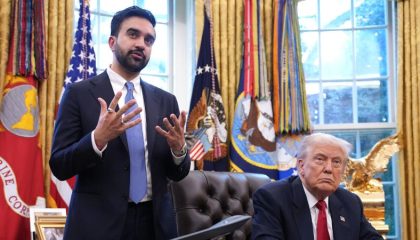
The DOJ’s intervention highlights the administration’s ongoing efforts to address election-related controversies. Bill Essayli, a Trump-appointed assistant US attorney, took to social media to clarify the confusion. “We reviewed official county records,” he stated, “and the claim that Pratt received zero additional votes is false. Each candidate was accounted for in the updates.” This statement aimed to counter the misinformation spread by right-wing figures, including Elon Musk, who had amplified the original claim.
Technical Explanation for the Vote Update Delay
The Associated Press (AP) explained that the apparent discrepancy was due to a technical glitch in the automated update system. A spokesperson noted that the system caused a temporary lag, resulting in some candidates’ votes being reported in a separate batch. “There was a delay in the update process,” the AP representative clarified, “which led to votes being distributed across two separate reports.” This technical issue, rather than a deliberate manipulation, accounted for the unusual appearance of Pratt’s vote count stagnating in the latest update.
DOJ debunks social media claim that the vote counts were manipulated, reinforcing that the issue was a technical error. The AP confirmed the total votes as 21,870 for Pratt, 12,850 for incumbent Mayor Karen Bass, and 9,521 for City Councilwoman Nithya Raman. “When combined, the updates reflected the correct totals,” the spokesperson added, emphasizing the system’s reliability.
Understanding the Election Process and Mail Ballot Impact
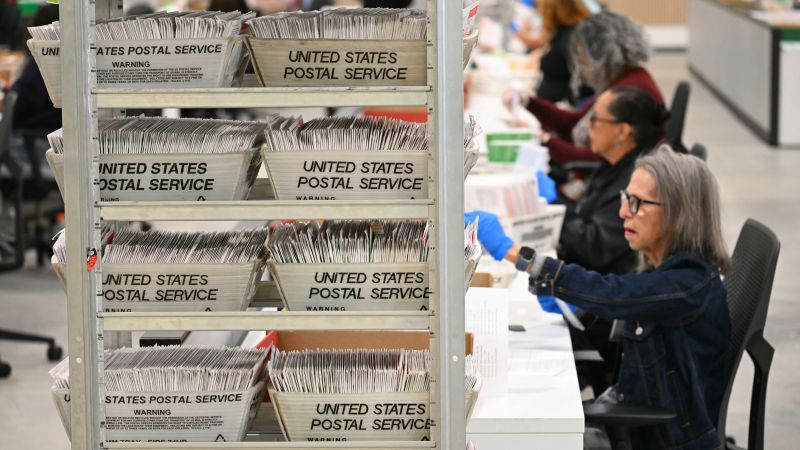
The LA mayoral race, held as a nonpartisan primary, involved three candidates: Karen Bass, Nithya Raman, and Spencer Pratt. While CNN projected Bass as the likely November general election contender, the final results between her and the other two candidates remain uncertain. California’s election system, which relies heavily on mail ballots, often leads to delayed updates. These ballots are processed over several days, influencing the timing of vote tallies and the perception of election fairness.
DOJ debunks social media claim that the delays signify manipulation, noting that mail ballots are a standard feature of the state’s voting process. “Votes reported after election night in California often include ballots cast closer to the day itself,” the AP spokesperson explained. This pattern helped explain Nithya Raman’s strong showing in Saturday’s update, with 40.2% of reported votes, compared to Pratt’s 17.7%. The technical explanation, paired with the DOJ’s confirmation, aims to restore public confidence in the results.
Historical Patterns and Trump’s Electoral Strategy
The current controversy mirrors past tactics used by Trump to challenge election outcomes. During the 2020 presidential race, he claimed widespread fraud, despite lack of evidence, to question the validity of the results. In this case, he applied the same strategy, using the slow pace of vote counting as a basis for his allegations. “Let me tell you, it’s four days and they aren’t even close to coming up with the–” Trump said, implying the process was incomplete and therefore suspect.
DOJ debunks social media claim that the LA vote count was fraudulent, aligning with previous efforts to validate election results. The California Voter Foundation, a nonprofit promoting electoral transparency, countered Trump’s assertions by explaining that the delays are routine. “The extended counting period ensures accuracy,” the foundation’s representative stated. This contrast between Trump’s allegations and the technical realities of the system underscores the ongoing debate over election integrity.
As the vote count continues, the DOJ’s clarification and the AP’s explanation have helped dispel the initial confusion. The focus remains on ensuring that the results reflect the true will of the voters, with no evidence of widespread discrepancies. The race between Bass and Raman will determine the next mayor, with the final tally expected to resolve the uncertainty in the coming days.