Rising Election-Fraud Fears Could Deepen Pressure on the 2026 Midterms
Sandego.net – Public anxiety over election fraud is climbing as the United States heads toward the 2026 midterms, creating a volatile backdrop for an election cycle already shaped by President Donald Trump’s efforts to restrict mail voting and his long record of alleging elections were stolen.
The concern is not limited to arguments over rules before ballots are cast. Trump’s false insistence that he won the 2020 election helped fuel the January 6, 2021, attack on the US Capitol, the most significant assault on the building in two centuries. Five years later, his continued election-related claims appear to be finding an audience that is increasingly receptive to the possibility of widespread fraud.
On Friday, Trump reposted a five-year-old video in which he told the January 6 rioters to leave the Capitol while again repeating the false assertion that he had won the 2020 race. The post underscored how unresolved those claims remain within American politics.
Republican concern has risen sharply
A Quinnipiac University survey found that 51% of registered voters are at least somewhat concerned about widespread voter fraud in the upcoming election. That figure is 10 percentage points higher than it was immediately before the 2022 midterms.
The number describing themselves as “very concerned” has also grown. It now stands at 29%, compared with 18% four years ago.
The increase is concentrated primarily among Republicans. In 2022, 59% of Republicans said they were at least somewhat concerned about broad voter fraud; that share has risen to 74%. The percentage who are very concerned increased from 24% to 40%.
That shift is striking because the 2022 election came soon after Trump’s unsuccessful effort to overturn the 2020 result. At that time, many of his supporters had embraced baseless fraud allegations, and some participants in the movement attacked the Capitol. Yet Republican concern about fraud is now greater than it was in that immediate post-2020 period.
Democratic concern has risen modestly as well, though roughly two-thirds of Democrats say they are not especially worried about voter fraud.
Confidence in election systems is also slipping
Other polling points to a broader weakening of trust. An AP-NORC poll released last week found that the share of Americans who trust government certification of election results at least “quite a bit” had fallen from 40% in 2024 to 34% today.
A March survey conducted for NPR and PBS by Marist College found that half of Americans believed voter fraud was likely in the 2026 elections. That is close to the 52% who held that view in January 2020, one year before the Capitol attack. The share calling fraud “very likely” declined slightly, but the overall level of concern remained substantial.
Republicans were also more inclined than they were six years ago to identify voter fraud as the country’s leading election threat. In the March poll, 57% of Republicans chose it as the biggest threat to American elections, up from 47% in 2020.
These perceptions matter because confidence in election outcomes does not depend only on what happens at polling locations or during ballot counting. It also depends on whether voters accept the institutions that administer, audit and certify results. When a significant share of the public expects fraud before an election occurs, an unfavorable outcome can be easier for political leaders to portray as illegitimate.
Mail ballots and noncitizen voting remain central claims
A Reuters-Ipsos poll in April showed substantial support for two themes that Trump has repeatedly emphasized: claims involving noncitizen voting and mail ballots.
Forty-six percent of Americans, including 82% of Republicans, agreed that US elections contain a “large number” of illegal votes cast by noncitizens. The claim lacks evidence, but it has become one of Trump’s most frequent voter-fraud arguments.
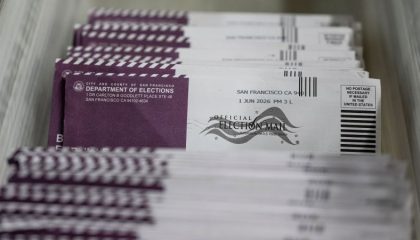
The same poll found that 53% of Americans, including 83% of Republicans, were at least somewhat concerned about fraudulent mail-in or absentee ballots. Between 21% and 26% of Americans strongly endorsed those positions on the two questions. Another quarter of the country leaned toward them without expressing the same intensity.
That combination can create a particular political risk. A relatively small group may hold an unwavering belief that fraud is pervasive, while a larger and less committed group may become willing to accept the allegation when it is repeated by political figures they trust. The post-2020 period demonstrated how quickly an unsupported narrative can move from rhetoric into organized efforts to challenge an election result.
Skepticism toward Trump’s claims remains significant
There are signs, however, that many voters are not persuaded by Trump’s specific allegations. After his July primetime address, which included unproven claims about foreign interference and an alleged coverup, Quinnipiac found that registered voters said by 66% to 24% that he had failed to provide enough evidence for his assertions.
The AP-NORC poll likewise found limited trust in Trump as a source of accurate information about the 2026 result. Sixty percent said they trust him “only a little” or “not at all,” including 16% who chose the former and 44% who chose the latter. Just 17% said they trust him at least quite a bit.
“Very concerned”
The distinction between generalized concern and trust in a particular messenger may prove important. Voters can worry about election security while still rejecting claims that lack substantiation. Whether that skepticism holds during a close or contested midterm could help determine how broadly post-election allegations spread.
As time passed after the 2020 election, even some election-denying Trump supporters increasingly acknowledged that compelling evidence of a stolen election had not emerged. Trump’s current standing may also affect how readily his future claims are accepted: if he remains less popular than he was when he lost the 2020 campaign, fewer Americans may be prepared to embrace those claims fully.
Still, the polling presents a warning for 2026. Election administration depends on procedures, transparency and lawful oversight, but democratic stability also requires losing candidates and their supporters to accept verified outcomes. Higher public suspicion before voting begins raises the stakes for every disputed ballot, delayed count and inflammatory political statement that follows.
Related Reading
Frequently Asked Questions
What is Americans increased belief in voter fraud?
Americans increased belief in voter fraud is the main topic of this guide. The article explains the context, practical details, and next steps readers should understand.
Why does Americans increased belief in voter fraud matter?
Americans increased belief in voter fraud matters because readers are looking for a useful answer, not just a short summary. Good content should match search intent and help them decide what to do next.