
Middle East conflict: Do US voters back Trump’s Iran war?
US Strikes on Iran Fuel Inflation Concerns Amid Domestic Scrutiny
The ongoing conflict in the Middle East has sparked debates over public support for Donald Trump’s military actions against Iran. Recent strikes have not only elevated oil prices but also intensified inflationary pressures, challenging Trump’s earlier pledge to limit prolonged wars. While his core supporters, the MAGA base, have generally aligned with his approach, growing dissent within the Republican ranks suggests potential risks to his political standing.
A Shift from Peace to War
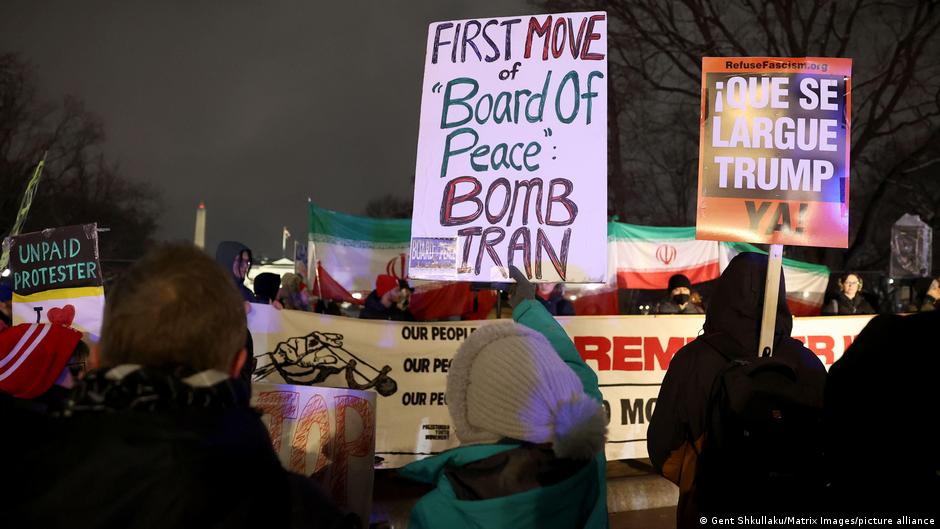
Donald Trump once positioned himself as a champion of peace, claiming to have resolved global disputes and establishing the Board of Peace as a new international initiative. He even floated the idea of a Nobel Peace Prize for his efforts. However, the launch of US and Israeli strikes on Iran in late February has undermined this narrative, casting doubt on his commitment to diplomacy. Earlier in January, Trump had also leveraged military force to oust Venezuela’s leader, Nicolas Maduro, further complicating his peace image.
“As soon as the economic consequences are felt in the US, criticism will increase,” says Johannes Thimm, head of the Americas research group at the German Institute for International and Security Affairs (SWP).
Despite Trump’s rhetoric of “no more forever wars,” his actions have contradicted this promise. The current conflict in Iran, though not involving ground troops, is considered a major war by analysts, requiring congressional approval under the Constitution. Yet, modern warfare often bypasses formal declarations, with presidents authorized to conduct limited operations for 60 days without parliamentary consent.
Public Sentiment and Political Divides
Polls reveal a significant portion of Americans oppose the war. According to a CNN survey, 59% of respondents were against the decision to attack Iran, while 41% supported it. Reuters reported differing numbers, with 43% rejecting the war and 27% in favor, leaving 29% uncertain. These findings highlight a broader divide, as Trump’s Republican allies remain largely in favor, even as internal tensions within the MAGA coalition emerge.
“The current situation in the Middle East is more likely to exacerbate domestic concerns and refocus American attention on a questionable and shaky US economy,” says Jonathan Katz of the Brookings Institution.
Tucker Carlson, a former Fox News commentator, has criticized the strikes as “absolutely disgusting and evil,” signaling a rift among Trump’s supporters. The war’s economic impact—rising fuel costs and inflation—directly counters Trump’s campaign promises to stabilize prices, potentially harming his domestic agenda.
Legislative and Electoral Challenges
The Democrats have introduced a War Powers Resolution to constrain Trump’s ability to wage war unilaterally. While symbolic, the move underscores the tension between executive authority and congressional oversight. The Senate has already rejected the resolution, illustrating the challenges of halting military action through legislative channels.
With midterm elections approaching in November, Republicans face a strategic dilemma. They must balance supporting Trump’s war efforts against the risk of alienating voters concerned about economic instability. “The Republicans don’t want to withhold support for their president, but they also don’t really want to be associated with this war because they know it’s unpopular,” notes Thimm.
Political analysts warn that Trump’s unilateral approach could backfire. “Because he did not seek the support of Congress and the American people in advance, he will own the outcome,” Thomas Warrick of the Atlantic Council writes. “If it succeeds, he may receive a mild domestic boost, but he risks a significant setback to his agenda if it fails.”
