
He fought Trump’s tariffs through the Supreme Court all the way to a refund
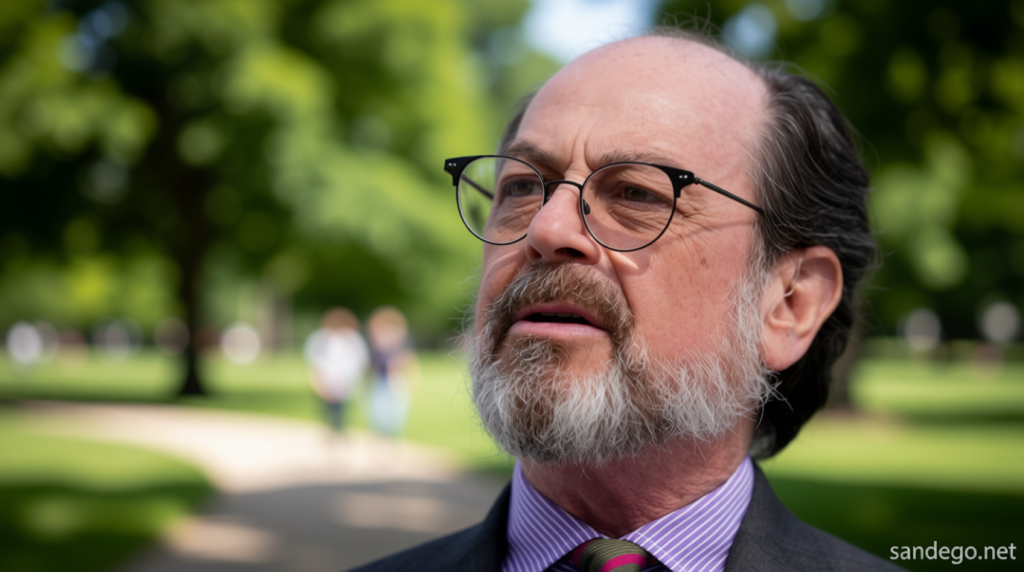
Victor Schwartz Secures Tariff Refunds Following Supreme Court Victory
He fought Trump s tariffs through – Victor Schwartz, the founder of VOS Selections, a wine importer, has achieved a significant milestone in his legal battle against President Donald Trump’s tariffs. After a historic decision by the Supreme Court in February that invalidated the bulk of Trump’s trade policies, Schwartz finally received a refund of $110,000—about 95% of the amount he claims is owed. The refund, issued by the U.S. Customs and Border Protection (CBP), marks the culmination of a protracted effort to reverse the financial impact of the tariffs, which had been a major point of contention for businesses across the country.
The case, which centered on Trump’s most expansive tariff measures, was initially seen as a victory in theory. However, the real challenge lay in the practical steps required to reclaim the funds. Schwartz, as the lead plaintiff, described the process as “logistically complex,” yet he emphasized the importance of the Supreme Court’s ruling in setting the stage for tangible results. On Wednesday, the CBP began distributing refunds to eligible businesses, with Schwartz’s company among the 330,000 affected entities. The total value of these refunds amounts to $168 billion, representing a substantial return of money that had been collected under the disputed trade policies.
CBP introduced a new digital platform to streamline the refund process, which has been largely automated. Schwartz praised the system, noting that it required minimal manual effort and eliminated the need for external assistance. “Once I grasped the mechanics, the portal was straightforward,” he said. “It was a relief to know the government was finally acting on its promise.” The refund will be used to settle outstanding supplier bills, which had been delayed as businesses navigated the financial strain caused by the tariffs. This development has been a lifeline for many companies, allowing them to recover funds that were initially collected without legal justification.
Ongoing Legal Challenges and Consumer Impact
While the Supreme Court’s ruling has provided clarity for some businesses, the legal fight continues. A handful of companies, including Costco and Nike, are facing lawsuits from individual consumers who argue that they were overcharged due to the tariffs. These consumers claim that companies passed on the additional costs to them through higher prices, and now seek reimbursement. However, the CBP is only obligated to refund the entities listed on tariff entries, leaving companies to determine whether they should extend relief to their customers.
For many businesses, this process is fraught with complexity. Calculating exactly how much of the illegal tariffs consumers absorbed requires meticulous record-keeping and a detailed understanding of pricing structures. “It’s not just about the refund itself—it’s about ensuring that the burden is properly distributed,” one business owner explained. The CBP’s new system, while efficient for importers, does not yet account for consumer-level adjustments, which may lead to further legal disputes. Schwartz, however, acknowledged that the main hurdle has been cleared, stating, “This is the first step in resolving the financial fallout.”
The case has broader implications for the U.S. economy, as it highlights the tension between trade policies and their impact on businesses. The Supreme Court’s decision not only validated the legal arguments against Trump’s tariffs but also opened the door for companies to seek restitution. This has sparked a wave of optimism among importers and manufacturers who had previously felt the weight of the levies. Yet, the process of reclaiming funds remains a critical test of the government’s commitment to addressing the consequences of its policies.
Future Tariff Implications and Legal Uncertainty
Despite the recent refund distributions, the fight over tariffs is far from over. The U.S. Court of International Trade recently ruled that Trump’s 10% global import tax was enacted without proper legal authority, a decision that could affect future trade agreements. Meanwhile, a federal appeals court has temporarily reinstated some of the tariffs, pending a final verdict. This legal back-and-forth underscores the uncertainty surrounding trade policies and their implementation.
Although the 10% tariff is set to expire in July, Trump’s administration is preparing to introduce new levies under a different legal framework. Many experts believe these new measures may be more defensible than the previous ones, which had been overturned by the Supreme Court. This shift could lead to a different approach in imposing tariffs, potentially avoiding the same legal challenges. However, the administration’s strategy remains under scrutiny, as businesses and consumers alike await further developments.
For Schwartz, the refund represents not just a financial relief but also a symbolic victory. “This is where the rubber meets the road,” he said, emphasizing the importance of the ruling in real-world terms. The case has become a case study in how legal decisions can translate into tangible benefits for businesses, even in the face of prolonged delays. As the CBP continues to process refunds, the focus is shifting to how companies will use the recovered funds to rebuild their financial stability.
Experts suggest that the refund process may serve as a model for future tariff adjustments. The CBP’s ability to quickly implement a digital system for refunds has been praised, but challenges remain in ensuring that all eligible businesses receive their share. The lack of itemized details on the refund receipt has left some questions unanswered, particularly regarding whether interest was included. Schwartz, while satisfied with the outcome, expressed cautious optimism about the full resolution of the issue.
As the legal landscape evolves, the focus is now on how businesses will navigate the aftermath of the Supreme Court’s decision. The $110,000 refund is a modest start, but it sets a precedent for the broader refund program. With 330,000 businesses standing to benefit, the government’s ability to process refunds efficiently will be a key factor in determining the overall success of the effort. For Schwartz, the journey from courtroom victory to financial recovery has been both challenging and rewarding, offering a glimpse into the potential for broader economic relief.
