Pneumonic Plague by the Numbers: What Is Known in Siberia
Sandego.net – Pneumonic plague by the numbers begins with a single reported death and many unanswered questions. Global health officials are seeking more information after a 28-year-old employee at a plague research institute in southeastern Russia died following an illness described by Russian authorities as pneumonia of an unknown cause.
The employee worked at the Irkutsk Research Anti-Plague Institute of Siberia in Irkutsk, which has studied plague since 1934. Russian authorities have said there has been no recently recorded plague case and have sought to reassure the public that there is no wider outbreak. The World Health Organization has said it does not yet have enough information to make a full assessment.
Regional independent outlet Lyudi Baikala identified the patient as Darya Shipilova. She reportedly sought medical care in Shelekhov, about 12 miles southwest of Irkutsk, on September 29 and died three days later, on October 2.
What authorities know — and what remains unclear
WHO officials said they became aware of the event through an artificial intelligence system that monitors local news for illnesses that may require international attention. The organization requested further details from Russia, including information that could help determine whether the death was connected to potential plague exposure.
Officials have also reviewed media reports that a test tube broke at the laboratory. Dr. Maria Van Kerkhove, who leads WHO’s Department of Epidemic and Pandemic Management, said the organization’s information about that possible exposure came from public reporting.
“I know what you know from the media of the test tube breaking and exposure,” Van Kerkhove said Wednesday.
WHO Director-General Dr. Tedros Adhanom Ghebreyesus said Russian authorities met on October 2 after concerns arose that someone connected to the institute may have acquired a dangerous infection. International health regulations call for countries to notify WHO within 24 hours when an event could pose a cross-border public-health threat.
Russia responded Tuesday to WHO’s request, saying no recent plague case had been recorded. The government also said around 200 people who had contact with the employee were quarantined or placed under close medical monitoring.
“We don’t have the full picture of this event, and we are not able to conduct a full risk assessment,” Tedros said. “Timely, complete and transparent information sharing under the international regulations is essential to clarify conflicting reports and enable an accurate assessment of potential public health risks.”
Why this form of plague receives close attention
Hospitals in the region have restricted visitors and increased health screening. Some patients have been asked to complete questionnaires about symptoms associated with plague and other infectious illnesses. Rospotrebnadzor, Russia’s infectious-disease agency, has said the local epidemiological situation remains stable.
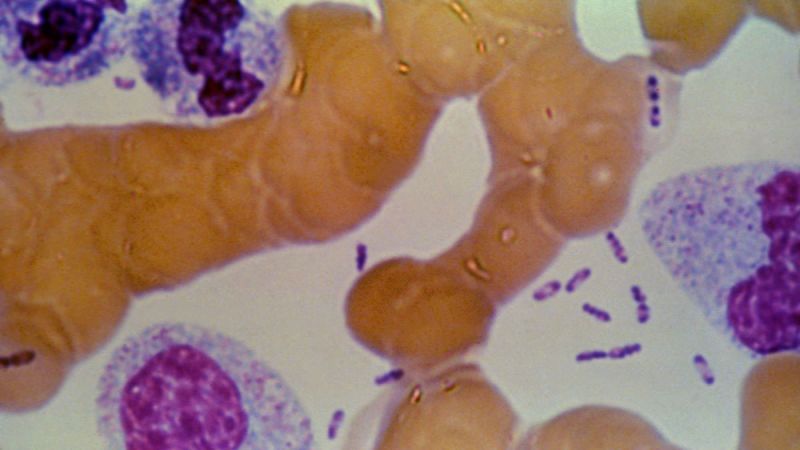
About 95 people work at the Anti-Plague Institute. The facility operates in a region where Yersinia pestis, the bacterium that causes plague, still circulates among wild animals. More than 200 mammal species worldwide can become infected, most often rodents; in Siberia, marmots are the most common carriers.
That animal reservoir explains why plague remains a modern health issue despite its association with historic pandemics. Human infection most often begins through exposure to infected rodents rather than everyday contact with other people.
Pneumonic plague by the numbers also highlights a key distinction: plague can affect different parts of the body, but pneumonic plague affects the lungs and is the only form that can spread directly from person to person. Rapid recognition, contact monitoring and transparent information-sharing are therefore especially important when a suspected case involves respiratory illness.
WHO’s initial assessment considered the possibility that the worker’s illness could have been pneumonic plague, while stressing that the available information was limited. Based on what was known, the organization said the current risk to the general public appeared low.
The estimated basic reproduction number for pneumonic plague is about 1.1 to 1.3. This means one case could infect slightly more than one other person on average under conditions that allow transmission. The figure does not predict an outbreak; it is one measure used to evaluate how quickly an infection could spread without effective controls.
FAQ: Practical information for people in the Irkutsk region
Is there a confirmed plague outbreak in Irkutsk? Russian authorities said no recent plague case had been recorded, while WHO said it needed more complete information to assess the event fully.
Why are local hospitals increasing screening? Extra screening and visitor restrictions can help identify concerning symptoms early and support monitoring while officials investigate an unexplained illness.
Should residents be worried about routine contact with others? WHO said the general public risk appeared low based on the limited available information. Plague infections more commonly begin after exposure to infected animals, although pneumonic plague can spread between people.
Why does pneumonic plague matter? Pneumonic plague by the numbers is significant because lung involvement creates the possibility of person-to-person transmission, making prompt detection and public-health follow-up essential.