
Dolly Parton’s Health Struggle and the Caregiver Crisis
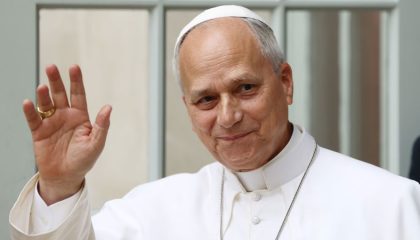
Sandego.net – The death of country icon Dolly Parton from cancer this week has dominated headlines, yet the most consequential thread in her story is not celebrity grief. Dolly Parton’s health struggle — roughly two years of complications including kidney stones that followed the prolonged decline and March 2025 death of her husband, Carl Dean — has become an unflinching public case study in what happens when a caregiver lets her own body slide into neglect. For the tens of millions of Americans who shoulder unpaid caregiving roles, her story is less a tragedy of fame than a mirror held up to their own exhausted routines.
The October Confession
Ten months before she died, Parton posted a short video to her social channels with the blunt caption, “I ain’t dead yet!” In it, she spoke directly to fans about the cumulative physical and emotional cost of watching Dean deteriorate over an extended period. The couple never disclosed his specific diagnosis; Parton described him simply as having been “ill for quite a while.” What made the clip land with unusual force was its candor:
“Back when my husband Carl was sick, that was a long time, and then he passed, I didn’t take care of myself, so I let a lot of things go that I should have been taking care of.”
The cancer that ultimately killed her was never discussed publicly during her illness, which made those October remarks all the more striking — an unguarded admission that years of devoted spousal care had hollowed out her own maintenance. Public-health researchers track exactly this pattern through dedicated national surveys, and Parton’s words gave it a face that no statistic could.
What the Data Shows
Parton’s experience, however extraordinary in its visibility, sits squarely inside a statistical landscape affecting ordinary households in every state. Approximately 63 million Americans currently provide unpaid care to a family member or friend living with a chronic illness, disability, or age-related need. Jason Resendez, president and CEO of the National Alliance for Caregiving, drew the parallel without hedging:
“The data shows this is happening in millions of homes across America. Caregivers’ health is worn down by the labor of care. Even with her privilege, Dolly is not an exception.”
A joint report from the National Alliance for Caregiving and AARP found that roughly 23 percent of caregivers say they struggle to attend to their own medical needs while managing another person’s care. That share climbs noticeably among women, LGBTQ+ individuals, Latino caregivers, and those in lower-income brackets — groups already facing compounded barriers to health access. Close to two-thirds of caregivers report significant emotional stress, 45 percent describe measurable physical strain, and nearly a quarter experience what researchers classify as caregiving loneliness: the slow erosion of friendships, hobbies, and community ties as the household consumes every spare hour.
Two Caregivers, Two Realities
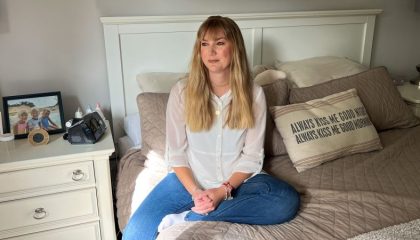
Nancy Slavin, 57, shares a home near Portland, Oregon, with her mother and describes herself as a “24-hour” caregiver — a role that never clocks out when the sun sets. She treasures the years spent together, yet the round-the-clock attention came at a steep personal cost. Routine cancer screenings lapsed for an extended period until a scare finally forced the issue into focus. Literary readings and social gatherings she once attended with enthusiasm have largely vanished from her calendar.
“Ultimately, I love my mom and will never regret having done this. But at the same time, I don’t want it to kill me because I am a mom, have a spouse, and I want a good life.”
Heidi Lescanec, 54, shows that distance does not insulate a caregiver from burnout. Based in Vancouver, British Columbia, she coordinates her mother’s needs from far away in Ontario. The emotional and logistical weight of managing care across hundreds of miles still overwhelms her daily functioning. She has found it difficult to take full breaths, to chew food properly, or to engage in any form of self-maintenance requiring sustained personal attention.
“You can’t distribute that work. You are the one person they will speak to. Even if you wish to delegate some of the work, there has to be one person at the helm and that’s me.”
Why Self-Care Falls Through the Cracks
The average family caregiver in the United States spends more than 24 hours per week on care tasks, a time commitment that crowds out appointments, exercise, sleep, and social contact. Insurance structures, workplace leave policies, and the sheer geography of rural or long-distance caregiving compound the problem. Without a second adult in the household willing to step in, the primary caregiver becomes a single point of failure — and the person most likely to skip their own checkup is the one holding everyone else’s schedule.
Frequently Asked Questions
How many Americans provide unpaid caregiving? Approximately 63 million adults in the United States currently serve as unpaid caregivers for a family member or friend with a chronic condition, disability, or age-related need.
What percentage of caregivers struggle to maintain their own health? A joint National Alliance for Caregiving and AARP report found that roughly 23 percent of caregivers say they have difficulty attending to their own medical needs while managing another person’s care.
Where can caregivers find practical support? The National Alliance for Caregiving (caregiving.org) offers state-by-state resource directories, respite-care listings, and peer-support programs. Local Area Agencies on Aging (eldercare.gov) can connect older-adult caregivers with in-home assistance and transportation services.