Devastation Across the Himalayan Border: What Nepal’s Flood Crisis Means and How to Respond
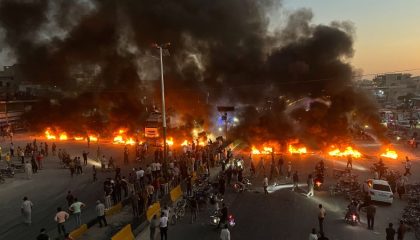
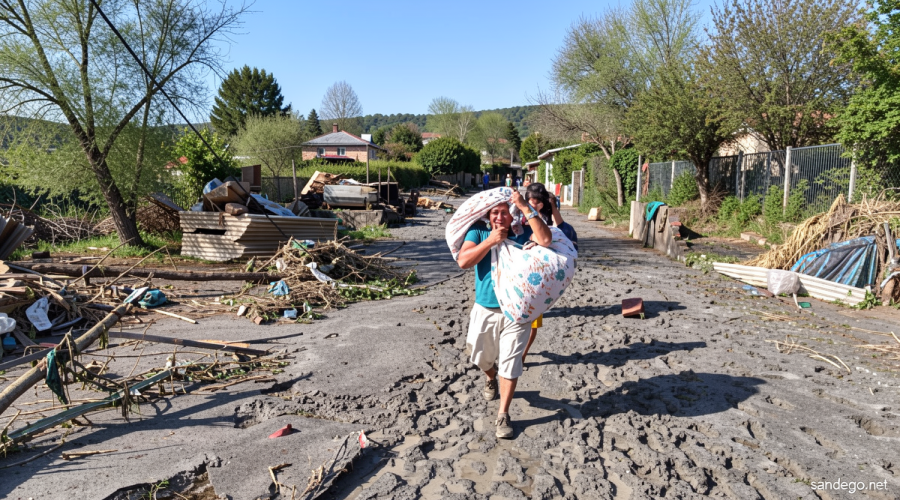
Sandego.net – When the monsoon rains turned violent on Wednesday, the consequences rippled across two nations almost simultaneously. Flash flooding struck communities in both China and Nepal with a speed and ferocity that caught residents, local authorities, and international observers off guard. Within hours, rivers that had been manageable seasonal waterways became churning torrents capable of sweeping away homes, roads, and entire neighborhoods. The human toll has been staggering: more than 1,300 people remain unaccounted for, and thousands more have been displaced from their homes, many with nothing but the clothes on their backs.
The Scale of the Emergency
Nepal’s geography makes it perpetually vulnerable to exactly this kind of event. The country sits at the junction of the Himalayan range and the Gangetic plain, a narrow corridor where glacial meltwater, seasonal rainfall, and steep terrain converge into rivers that can rise by several meters in a matter of minutes. August sits squarely in the peak of the monsoon window, when sustained heavy rain saturates already-fragile hillside soils and overloads drainage systems that were never engineered for the volume of water the sky delivers. Communities in the Terai lowlands, the mid-hill districts, and the river valleys of the east have historically borne the brunt of these annual cycles, but the scale of Wednesday’s event has pushed the situation beyond what local infrastructure can absorb.
The simultaneous impact on neighboring China compounds the logistical nightmare. Shared river basins mean that water surging downstream from upstream catchments in Tibet and southern Sichuan can arrive in Nepali valleys with little warning. Border coordination, already complicated by terrain and seasonal road closures, becomes nearly impossible when both sides are dealing with their own internal emergencies at the same time.
Why Rescue Efforts Are Stalling
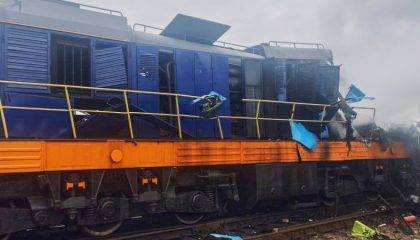
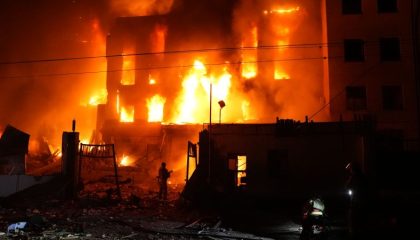
The most immediate obstacle to saving lives is not the water itself but the infrastructure that has been destroyed alongside it. Power lines are down across wide swaths of the affected districts, severing communication networks and leaving hospitals, shelters, and coordination centers operating on generators or silence. Mobile connectivity has collapsed in many of the hardest-hit zones, meaning families cannot confirm whether loved ones are alive, and rescue teams cannot relay their positions to command centers. Roads and bridges that served as the only access routes into mountain villages have been washed out, forcing responders to rely on helicopters, boats, or foot patrols through knee-deep water.
These conditions create a cruel feedback loop: the longer connectivity remains severed, the longer missing persons remain unlocated, and the longer displaced families remain without food, clean water, or medical attention. Every hour of delay increases the risk of secondary disasters — cholera outbreaks, hypothermia, landslides triggered by saturated ground — that can claim additional lives long after the initial floodwaters recede.
What Is Happening on the Ground
Aid organizations have moved relief teams into Nepal’s most severely affected districts. Their operations focus on the immediate survival needs of displaced populations: distributing hygiene kits to prevent waterborne disease, delivering food rations and safe drinking water to families who have lost their kitchens and wells, and providing basic health support to those injured or suffering from exposure. These are not symbolic gestures. In a context where municipal water treatment is already limited and where displaced families are sheltering in open fields or overcrowded community buildings, a single contaminated water source can turn a flood into an epidemic within days.
Organizations such as Impact Your World are actively monitoring the evolving situation and are in the process of vetting additional partner organizations that are beginning ground operations. As more groups deploy, the coordination challenge grows, but so does the capacity to reach isolated pockets of survivors that the initial wave of responders could not access.
How Readers Can Make a Concrete Difference
The most effective form of assistance right now is direct financial contribution to organizations already operating in the field. Cash donations allow responders to purchase locally, hire local labor, and adapt their logistics to conditions that change hour by hour. Donors can contribute through the donation form provided by the coordinating body or by following the direct links to vetted partner organizations. Contributions do not need to be large to matter; even modest sums, pooled across thousands of donors, fund the hygiene kits, water purification tablets, and medical supplies that keep displaced families alive in the critical first seventy-two hours.
Those who cannot give money can still help by sharing verified information about where aid is needed, by checking with local employers about matching donation programs, and by avoiding the spread of unverified casualty figures that can distort resource allocation. Accurate, calm information flow is itself a form of relief.
Looking Beyond the Immediate Crisis
Once the acute emergency stabilizes, attention will turn to reconstruction and to the harder question of how to reduce the likelihood of a repeat. Nepal’s flood infrastructure — levees, early-warning sensors, community evacuation plans — has been underfunded for decades relative to the scale of the threat. International development partners, multilateral climate funds, and bilateral aid programs will face pressure to accelerate investment in resilient water management, slope stabilization, and disaster-resilient housing. The question for the coming months is whether Wednesday’s catastrophe will produce a sustained policy response or whether, as in previous monsoon seasons, the urgency will fade before the next rains arrive.
For now, the priority is singular and urgent: find the missing, shelter the displaced, and keep clean water and basic medicine flowing to those who have lost everything else. The window for effective intervention is narrow, and every hour counts.
Related Reading
Frequently Asked Questions
What is How to help Nepal flood victims?
How to help Nepal flood victims is the main topic of this guide. The article explains the context, practical details, and next steps readers should understand.
Why does How to help Nepal flood victims matter?
How to help Nepal flood victims matters because readers are looking for a useful answer, not just a short summary. Good content should match search intent and help them decide what to do next.