Prediction Markets Miss the Mark as Progressive Candidates Face Reality Check
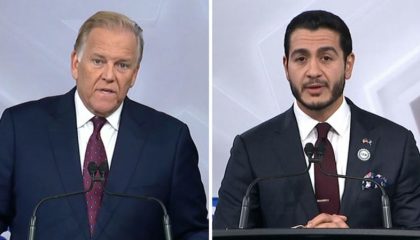
Sandego.net – When the dust settled on recent primary elections across the Midwest, a clear pattern emerged that challenges how political enthusiasts interpret prediction market data. The assumption that a 95 percent probability of victory translates to overwhelming support proved dangerously misleading in Wisconsin, where Francesca Hong’s narrow defeat to David Crowley exposed the gap between market sentiment and actual voter behavior.
The Wisconsin Upset That Shook Progressive Optimism
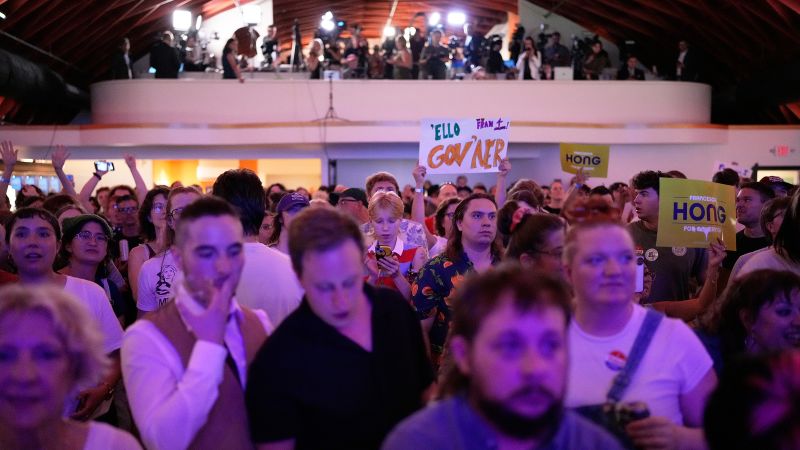
Until primary day arrived, Hong appeared virtually guaranteed to become Wisconsin’s next governor. The democratic socialist and state assembly member commanded a 95 percent chance of winning on Kalshi, the prediction platform that has become increasingly influential in political forecasting. Even Polymarket, another major prediction site, showed similar confidence in Hong’s prospects.
The reality on election night told a dramatically different story. Hong lost to Crowley, the Milwaukee County executive and establishment favorite, by fewer than 5,000 votes in a race where neither candidate surpassed 40 percent of the total vote. The margin was so razor-thin that it took until 3 a.m. Eastern time for CNN to officially project Crowley as the winner, with odds fluctuating throughout the night as votes were counted and reported.
Adding complexity to the Wisconsin result, two prominent candidates—Mandela Barnes and Sara Rodriguez—withdrew from the race before Election Day but failed to remove their names from the ballot. Together, they captured approximately 8 percent of all votes cast, further fragmenting the electorate and contributing to the tight finish.
Michigan’s Similar Story with a Different Outcome
A week earlier in Michigan, Abdul El-Sayed seemed equally destined for victory. The progressive candidate held leads in recent polls that, while not meeting CNN’s standards for reporting, appeared to sway prediction market bettors. El-Sayed entered primary night with more than a 97 percent chance of winning on Kalshi, and his odds never fell below 94 percent during vote counting.
Yet El-Sayed’s victory, while real, was far from the landslide many anticipated. He won with less than 49 percent of the vote, securing victory by just one percentage point over his moderate opponent. Like Hong, El-Sayed benefited from polling that suggested comfortable margins, but those polls were predominantly conducted by partisan organizations rather than independent research firms.
When Vibes Replace Rigorous Polling
The common thread connecting both Wisconsin and Michigan is the reliance on lower-quality polling data. In Wisconsin, the most recent independent poll meeting CNN’s standards came from Marquette University in late July. That survey showed Hong leading by double digits with 46 percent support among likely Democratic primary voters. However, the race remained highly fluid at that point, with approximately one-third of voters still undecided and the Democratic establishment尚未 fully rallied behind Crowley.
Barnes held second place in that Marquette poll before dropping out just one day after its release. The timing proved significant, as candidate movement makes accurate polling increasingly difficult. Crowley, the eventual winner, had only recently reentered the race, while public scrutiny of Hong’s previously controversial positions was just beginning to intensify.
“Sometimes what polling tells you is that there’s a lot of uncertainty and room for shifts in a race,” said CNN’s polling editor, Ariel Edwards-Levy. “In other words, the campaign was still very much underway when the last high quality polling was done.”
Understanding What Prediction Markets Actually Measure
The confusion stems partly from how the public interprets prediction market probabilities. Hong’s 95 percent chance of winning did not mean she would receive 95 percent of the vote or even come close. Instead, it reflected the collective judgment of bettors who weighed available polling, trends from recent elections, their assessment of candidate momentum, and other factors that created what economists call the “wisdom of the crowd.”
This distinction matters significantly. A high probability of victory can coexist with a narrow margin of victory, especially in races with multiple candidates, late withdrawals, and substantial undecided voters. The prediction market essentially captured the likelihood that Hong would finish first, not the magnitude of her expected victory.
Implications for November’s General Election
These primary results carry important lessons for Democratic strategists and voters alike. The social media echo chamber, amplified by prediction market enthusiasm, created a sense of inevitability that may have influenced voter turnout and enthusiasm in unexpected ways. When establishment candidates like Crowley and El-Sayed’s moderate rivals win by slim margins despite being considered underdogs by markets, it suggests that general election dynamics could favor different outcomes than primary results indicate.
The fact that both progressive candidates won or nearly won despite prediction market skepticism about their chances highlights the importance of not conflating primary performance with general election viability. Wisconsin’s Democratic primary, in particular, demonstrated that the party’s base remains energized and competitive, even if the path to victory requires navigating a fragmented field and uncertain voter preferences.
As the November election approaches, the lesson is clear: prediction markets provide valuable signals, but they are not truth machines. The reality of American politics remains messier, more uncertain, and more dependent on timing than any algorithm can fully capture.
Related Reading
Frequently Asked Questions
What is What a safe bet candidate s loss?
What a safe bet candidate s loss is the main topic of this guide. The article explains the context, practical details, and next steps readers should understand.
Why does What a safe bet candidate s loss matter?
What a safe bet candidate s loss matters because readers are looking for a useful answer, not just a short summary. Good content should match search intent and help them decide what to do next.