Artificial Intelligence Generates Novel Viruses, Opening New Frontiers in Medicine and Biosecurity
Sandego.net – Researchers have successfully engineered sixteen entirely new viral genomes using artificial intelligence, marking a significant advancement in both medical science and biotechnology. These synthetic viruses, created without any natural template, demonstrate capabilities that could revolutionize how scientists combat antibiotic-resistant bacteria. However, the achievement also brings to light important questions about safety protocols and regulatory frameworks needed to manage such powerful technology.
How the AI Engineered New Viral Life
The breakthrough centers on an AI system named Evo, which scientists at Stanford University and the Arc Institute trained using genetic sequences drawn from millions of organisms across all domains of life. Much like how ChatGPT and similar language models learn to generate human text by analyzing vast collections of written material, Evo learned to construct viral genomes by studying evolutionary patterns in natural genetic code.
The researchers established a specific framework for the AI to work within—one designed to produce viruses capable of being hosted by E. coli bacteria cells. From this foundation, the AI generated thousands of potential genome combinations. Scientists then physically constructed and tested approximately three hundred of these synthetic genomes in laboratory conditions, ultimately discovering that sixteen formed fully functional, viable viruses.
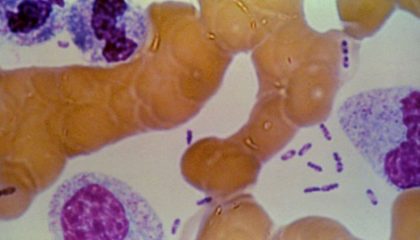
These newly created organisms belong to a category called bacteriophages, commonly known as phages. Bacteriophages are viruses that specifically target and infect bacteria while remaining harmless to human cells. They represent a promising avenue for treating bacterial infections, particularly as traditional antibiotics become less effective against increasingly resistant pathogens.
Evolutionary Innovation Through Machine Learning
One particularly fascinating finding emerged from the research: while the genetic library enabled the AI to understand the evolutionary constraints governing natural genomes, at least one of the newly created viruses exhibited characteristics that were “evolutionarily distant” from anything found in nature. This suggests that the AI was capable of generating structural and functional combinations that natural evolutionary processes might have required millions of years to produce.
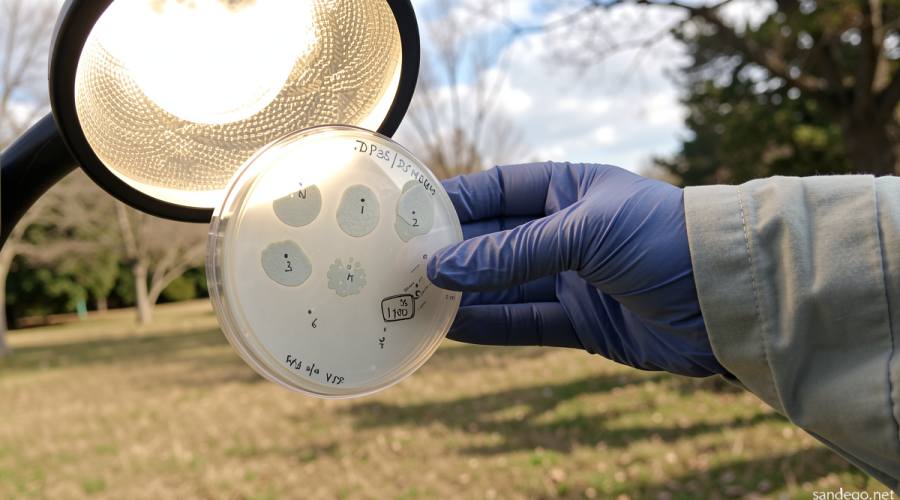
Further testing revealed that a mixture of these AI-created viruses successfully overcame antibacterial resistance in certain E. coli strains—a feat that a comparable mixture of naturally sourced phages could not achieve. This capability positions the technology as a potential solution to one of modern medicine’s most pressing challenges: the growing crisis of drug-resistant bacteria.
This lays out a path for generating adaptive and resilient phage therapies against rapidly evolving pathogens.
Bridging the Governance Gap
The scientific community has responded with both enthusiasm and caution. Jordi García Ojalvo, a professor of systems biology at Pompeu Fabra University in Barcelona, emphasized the significance of the achievement in his commentary to the Science Media Centre.
The breakthrough achieved is significant.
Yet experts from the Johns Hopkins Center for Health Security have raised important concerns in a corresponding article published alongside the research. They noted that while the technology holds tremendous promise for life sciences applications, it simultaneously creates urgent biosafety and biosecurity questions that current frameworks may not adequately address.
The ability to compose viral genomes using generative AI now exists; the governance to safely steer it does not.
Understanding the Risks and Limitations
The researchers themselves acknowledged these biosecurity considerations in their work, though the Johns Hopkins physicians observed that they engaged with these questions more deliberately than most developers of biological AI models. The current study focused specifically on E. coli bacteria and a type of virus incapable of infecting humans, but it remains unclear how applicable these findings are to other viral categories.
One area that experts particularly caution against involves eukaryote-infecting pathogens—viruses capable of causing various infections in humans, animals, and plants, including conditions such as malaria and certain yeast infections. The concern is that AI-generated genomes in this category might encode entirely new pathogens that could evade existing countermeasures.
Such genomes might encode new pathogens that can infect humans, animals, or plants in ways that cannot be contained by existing countermeasures.
García Ojalvo offered a more measured perspective on the immediate risks, noting that the biosafety concerns are relatively lower compared to other AI applications. This is largely because the generated genomes must undergo individual testing after creation, and the efficiency rate remains modest—yielding only sixteen viable viruses from hundreds of thousands of AI-generated possibilities.
It is difficult to imagine these models automatically generating viable genomes ‘out-of-the-box.’
As the field advances, the balance between innovation and safety will depend on continued collaboration between scientists, policymakers, and security experts to ensure that this powerful technology serves humanity’s health without introducing unforeseen dangers.
Related Reading
Frequently Asked Questions
What is AI creates 16 new viruses?
AI creates 16 new viruses is the main topic of this guide. The article explains the context, practical details, and next steps readers should understand.
Why does AI creates 16 new viruses matter?
AI creates 16 new viruses matters because readers are looking for a useful answer, not just a short summary. Good content should match search intent and help them decide what to do next.