ICC Chief Prosecutor Suspended Amid Sexual Misconduct Allegations
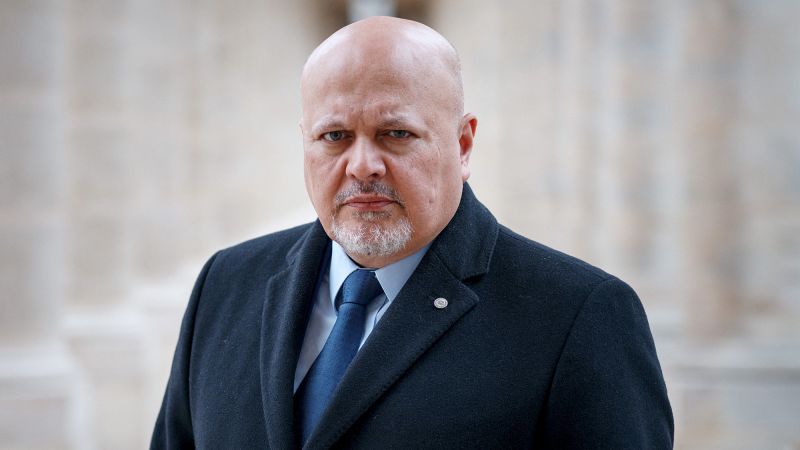
Sandego.net – On June 9, 2026, the International Criminal Court (ICC) took a significant step by suspending its chief prosecutor, British legal professional Karim Khan, following an investigation into allegations of sexual misconduct. The decision, announced late Monday, was made by the court’s oversight body, which initiated disciplinary proceedings against Khan. This marks the first time a chief prosecutor of the ICC has been suspended, raising questions about the court’s internal processes and the gravity of the accusations.
The Allegations and Denials
Khan, 56, faces claims of inappropriate behavior with a female aide, a case that has persisted for over two years. The allegations center on nonconsensual sexual contact, reportedly occurring in his office, at his private home, and during official missions. Despite the scrutiny, Khan has maintained his innocence, insisting that the accusations are unfounded. His legal team has stated that a formal response will be released on Tuesday, following the suspension announcement.
“The suspension is not an indication of the final outcome,” said the Bureau of the Assembly of States Parties, which oversees the ICC. The decision was based on the report from the United Nations Office of Internal Oversight Services (OIOS), the evidence presented, the advice of a judicial panel, and the submissions from the involved parties.
The process of suspending a high-ranking ICC official is unusual, prompting discussions about the court’s ability to manage such cases. The Assembly of States Parties, which holds the authority to remove Khan from his position, will convene a special session to determine his fate. A majority vote in a secret ballot of its 125 member states is required for his removal, meaning at least 63 countries must support the motion.
The Investigation and Legal Assessment
The United Nations Office of Internal Oversight Services (OIOS) investigated the claims, uncovering evidence of Khan’s alleged interactions with the aide. According to the report shared with The Associated Press, the findings suggest that Khan engaged in nonconsensual sexual contact during multiple occasions. However, a three-judge panel appointed by the executive committee of the Oversight Body reviewed the evidence and concluded that the investigation lacked sufficient clarity to confirm wrongdoing.
Whistleblower documents, obtained by the AP, detail the timeline of events. The aide was initially working in a different department of the ICC and was later moved into Khan’s office. She became a frequent companion during official travel, including a foreign mission where Khan allegedly asked her to stay in a hotel room and touched her sexually. Additional claims include locking the door of his office and inserting his hand into her pocket without her consent, as well as requesting her to join him on personal trips.
While the OIOS report provides detailed accounts, the judicial panel found the evidence inconclusive. This highlights the complexity of balancing accountability with due process in the ICC’s disciplinary framework. The suspension allows for further evaluation of the allegations before a final determination is made.
Impact and Precedent
The suspension of Khan has sparked debate within the ICC and its international community. It is the first time a chief prosecutor has been temporarily removed from office, necessitating the creation of new procedural rules to address such situations. The Assembly of States Parties, which includes 125 member states, has had to adapt its mechanisms to handle the unprecedented nature of this case.
Historically, the ICC’s oversight body has focused on monitoring the court’s operations, but this incident has shifted its role to include direct disciplinary action. The decision to suspend Khan reflects the gravity of the allegations and the court’s commitment to addressing misconduct, even at the highest levels. However, it also underscores the challenges of maintaining impartiality when allegations involve close personal relationships within the organization.
Khan’s temporary resignation in May 2025, prior to the formal investigation, added to the controversy. At the time, he cited the need for clarity and an independent review. Now, the suspension has intensified the focus on his conduct, with the Assembly of States Parties set to evaluate whether he should remain in his position. The proceedings are expected to be thorough, given the high stakes for the ICC’s reputation and its role as a global institution.
The Road Ahead
As the Assembly of States Parties prepares to convene, the outcome of this case will have far-reaching implications. The suspension serves as a temporary measure, allowing time for all parties to present their arguments. While the final decision remains pending, the process has already highlighted the ICC’s internal mechanisms and the potential for political influence in such matters.
The investigation into Khan’s conduct began over two years ago, when the court’s independent watchdog received the initial reports. Since then, the case has evolved through multiple stages, with the OIOS report forming the foundation of the disciplinary proceedings. The three-judge panel’s assessment of the evidence, however, has left room for interpretation, emphasizing the need for a comprehensive review.
For the ICC, this situation represents a critical moment. The court has long been a symbol of justice, but the allegations against its chief prosecutor have tested its credibility. The Assembly’s special session will not only decide Khan’s future but also set a precedent for how similar cases are handled in the future. The outcome may influence the perception of the ICC’s independence and effectiveness in prosecuting high-profile individuals.
Meanwhile, Khan’s legal team continues to prepare its defense, aiming to present additional context and counter the allegations. The suspended official has not been dismissed outright, but the process is designed to ensure transparency and fairness. The Assembly of States Parties has emphasized that the suspension is a procedural step, not a verdict, and that the final outcome will depend on the evidence and arguments presented during the session.
As the world watches the proceedings, the case has become a focal point for discussions about accountability within international institutions. The ICC’s ability to navigate this challenge will be crucial in maintaining its role as a guardian of justice. For now, the suspension of Karim Khan remains a landmark decision, signaling the court’s willingness to address misconduct even when it involves its most prominent figures.