
Police officers who defended US Capitol on January 6 sue to stop Trump’s ‘anti-weaponization’ fund
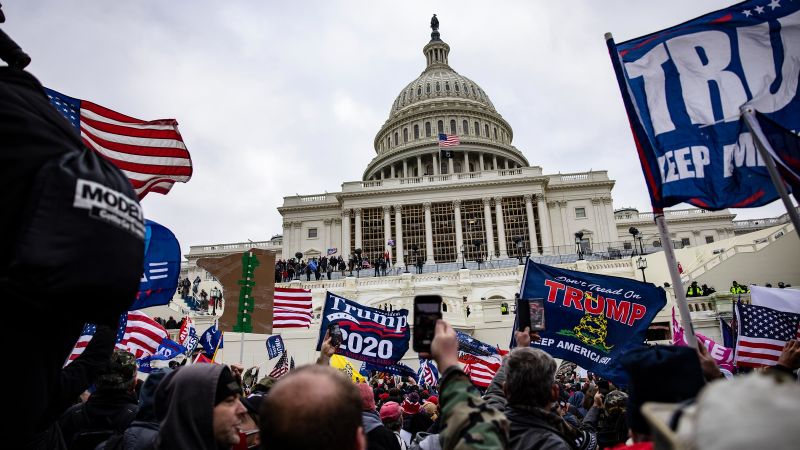
Police Officers Who Defended US Capitol on January 6 Sue Trump’s Anti-Weaponization Fund
Police officers who defended US Capitol – On Wednesday, law enforcement personnel who safeguarded the U.S. Capitol during the January 6, 2021, attack initiated a legal action against the Trump administration. Their goal is to prevent the implementation of a $1.8 billion fund intended to support allies of former President Donald Trump who claim they faced unfair scrutiny. The suit, led by ex-Capitol Police officer Harry Dunn and current Metropolitan Police Department officer Daniel Hodges, argues that the fund undermines constitutional rights and federal legal standards. With a 29-page filing, the plaintiffs highlight how the program could legitimize insurrectionist activities by funding those responsible for the Capitol breach.
Constitutional Concerns and Legal Strategy
The lawsuit centers on the 14th Amendment, which bars the government from using taxpayer funds to finance debts “incurred in aid of insurrection or rebellion.” Plaintiffs assert that the fund could reward individuals involved in the January 6 riot, including groups like the Proud Boys, and support paramilitary actions. “This program effectively validates the violence committed against law enforcement,” the legal team stated, warning that it sends a signal to future aggressors that they can act with impunity. They further contend that the fund’s creation lacks proper procedural oversight, violating the rule of law.
“By funding those who engaged in insurrection, the administration risks normalizing their actions as justified,” the suit explains.
The officers also challenge the government’s failure to adhere to federal rulemaking protocols. According to the filing, officials should have secured confirmation from the attorney general that the payments align with national interests. The $1.776 billion allocated to the Anti-Weaponization Fund, initially set up to resolve Trump’s IRS dispute, is now being scrutinized for its potential to misappropriate public resources. Critics argue this move disproportionately benefits Trump’s supporters rather than those who upheld order at the Capitol.
Process and Accountability in the Settlement
Key to the case is the procedural oversight surrounding the fund’s establishment. The plaintiffs claim that the Trump administration bypassed necessary checks, allowing officials to distribute funds without due process. “This lack of scrutiny threatens the integrity of the compensation process,” the legal team emphasized. Acting Attorney General Todd Blanche, a former Trump advisor, testified that the administration remains open to rewarding individuals who attacked law enforcement during the January 6 assault. While the attorney general’s office would select the commission members, Trump could remove them, casting doubt on impartiality.
Senator Jeff Merkley raised concerns about the fund’s implications, asking, “Why not address those who were convicted for violent acts against police officers?” The blockquote highlights the debate over whether the program should extend to those with criminal records. Meanwhile, Vice President JD Vance echoed similar views, stating that the fund could support individuals accused of assaulting officers, further fueling the argument that the administration prioritizes leniency over accountability.
“The fund’s structure allows for a financial cushion for those who endangered public safety,” critics argue.
Background on the Fund’s Creation
The $1.8 billion Anti-Weaponization Fund emerged from a settlement agreement in Trump’s lawsuit against the IRS, which sought to overturn the agency’s decision to penalize him for tax evasion. While the original purpose was to resolve the legal dispute, the fund’s expansion to cover allies of Trump and riot participants has sparked controversy. Law enforcement officers who defended the Capitol argue that this shift diverts resources from their cause, casting the program as a tool to reward insurrectionists rather than uphold justice.
With the lawsuit in motion, the focus remains on whether the fund’s allocation violates constitutional principles. If successful, the case could reshape how the government handles compensation for those involved in insurrection, ensuring that taxpayer money is used to support, not subsidize, unlawful actions. As the legal battle unfolds, the officers’ challenge underscores the tension between political alliances and the rule of law in the aftermath of the Capitol riot.
