
Xi’s double act: Putin arrives in China days after Trump’s departure
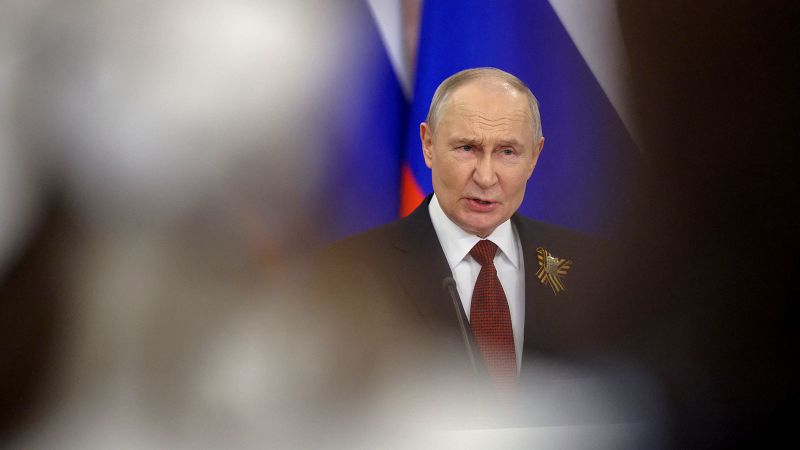
Xi’s Double Act: Putin Arrives in China Days After Trump’s Departure
Xi s double act – Less than a week after hosting US President Donald Trump, Chinese President Xi Jinping extended a new invitation to a world leader—this time, a long-standing ally. Russian President Vladimir Putin’s state visit to Beijing, which began Tuesday, was meticulously timed to highlight the deepening partnership between Moscow and Beijing amid shifting global alliances. The two leaders, who have met over 40 times since their first encounter in 2013, are now navigating a critical juncture in international relations, where their collaboration is seen as a counterbalance to American influence.
A Strategic Show of Solidarity
Putin’s arrival in China coincided with a pivotal moment in US foreign policy. As Trump’s tenure in Washington ended, Beijing and Moscow seized the opportunity to solidify their ties. The visit, the 25th by Putin to the Chinese capital during his 22-year leadership, underscored the two nations’ shared interests in challenging Western dominance. From trade agreements to security alliances, their cooperation has grown stronger in recent years, driven by mutual distrust of the United States and a personal rapport between the leaders.
“Russia-China relations have reached a truly unprecedented level,” Putin stated in a pre-visit message. “We support each other on matters affecting the core interests of both countries, including protection of sovereignty and state unity.”
Analysts suggest that the timing of the visit was deliberate, aiming to signal stability in the face of global uncertainty. While the Trump administration’s approach to Iran and Ukraine had created friction, China and Russia have used this period to project a unified front. The Chinese government, in particular, has positioned itself as an alternative to US leadership, leveraging Trump’s departure to underscore its role as a global power.
The Geopolitical Landscape
The visit comes as both nations grapple with the consequences of US policy shifts. China, which has maintained a delicate balance with the United States, is now looking to deepen its strategic alliance with Russia. This includes a growing reliance on Russian energy exports, which have become vital to China’s economic interests. With Western sanctions limiting Moscow’s access to global markets, China has emerged as a key buyer of Russian crude oil, a relationship that has grown increasingly one-sided.
Putin’s military campaign in Ukraine has intensified the need for Russian energy resources, and China’s support has been crucial. Since the invasion, Chinese buyers have eagerly purchased Russian oil at discounted prices, creating a significant economic lifeline for Moscow. This dynamic has also fueled speculation about China’s role in future regional conflicts, particularly in the Middle East, where the risk of instability looms large.
“The nearly back-to-back visits from American and Russian leaders reflect China’s rise as the focal point of global diplomacy,” noted an article in the state-backed Global Times. “In a turbulent international situation, Beijing’s diplomatic engagement with both powers signals its growing influence.”
While Xi’s meetings with Trump last week focused on trade and energy, this week’s discussions with Putin are expected to cover a broader range of issues. These include the US-Iran conflict, which has disrupted global oil supplies and diverted Washington’s attention from its war in Ukraine. Both China and Russia have expressed interest in resolving the dispute, with Beijing and Moscow positioning themselves as potential mediators.
The Economic Undercurrents of Diplomacy
China’s economic relationship with Russia has become a cornerstone of their strategic partnership. The Power of Siberia 2 gas pipeline, a major project announced during Putin’s previous visit in September 2025, is now a focal point of the current talks. This pipeline, which will transport natural gas from Russia to China, represents a significant investment in infrastructure and energy security. Its completion is expected to enhance Beijing’s energy independence and reduce its dependence on Western suppliers.
Beyond energy, the two nations have also collaborated on technology and defense. China’s exports of dual-use goods—equipment that can serve both civilian and military purposes—have provided Moscow with critical tools for its war effort. This mutual support has created a complex web of dependencies, with Russia increasingly reliant on China’s financial and technological capabilities.
Xi’s recent meeting with Trump highlighted the US-China trade relationship, but the current engagement with Putin is equally important. By hosting a close ally in the same week as Trump’s visit, Beijing is demonstrating its ability to engage with multiple global powers simultaneously. This dual diplomacy is seen as a way to diversify China’s international alliances and challenge the traditional dominance of the United States.
A Historical Context of Ties
The bond between Xi and Putin is not new. Their relationship has been shaped by years of close collaboration, including discussions on Ukraine and the Middle East. During Trump’s inaugural visit to China in 2020, the two leaders met hours after Trump’s initial talks with Xi, signaling a coordinated effort to strengthen ties. Similarly, Putin has briefed Xi on past US-Russia negotiations regarding the war in Ukraine, reinforcing the idea of shared strategic goals.
Despite their partnership, the two leaders face distinct challenges. For Putin, the ongoing war in Ukraine has become a political and economic burden, with recent setbacks prompting calls for renewed diplomatic efforts. Xi, on the other hand, has been navigating a complex web of international tensions, from trade disputes with the US to regional conflicts in the Middle East. The meeting with Putin is seen as a chance to align on these issues and present a united front.
The Path Forward
As the visit progresses, both leaders are expected to outline a vision for the future. The declaration on “establishing a multipolar world” and a “new type of international relations” suggests a desire to reshape the global order. This framework, supported by the Kremlin’s aide Yury Ushakov, emphasizes cooperation among emerging powers and a shift away from US-led hegemony.
China’s strategic pivot toward Russia is part of a larger pattern of geopolitical recalibration. By aligning with Moscow, Beijing is not only securing economic benefits but also expanding its influence in regions where the US has traditionally held sway. This includes the Middle East, where China’s engagement with Iran and Saudi Arabia has grown in recent years. The Russian leader’s visit to China is a symbolic gesture, reinforcing the idea that the two nations are now at the forefront of global diplomacy.
For China, the meeting with Putin offers an opportunity to solidify its position as a key player in international affairs. The timing, just days after Trump’s departure, is designed to highlight China’s ability to engage with both Western and Eastern powers. This dual approach is expected to bolster Beijing’s credibility on the global stage, particularly in light of the US-Iran conflict and its implications for energy security.
The visit also underscores the importance of energy in shaping international relations. Russia’s crude oil exports, which have surged due to Western sanctions, are a critical factor in China’s energy strategy. As the conflict in the Middle East continues to unfold, Beijing may rely more heavily on Russian oil to meet its growing energy demands. This dynamic is likely to influence future discussions between the two leaders, with energy cooperation at the center of their agenda.
In the broader context, the meeting between Xi and Putin reflects a larger trend of shifting alliances. As the US engages with allies and adversaries alike, China and Russia have emerged as a formidable partnership, challenging the traditional power structures of the past. Their meetings, whether in Beijing or Moscow, are not just about bilateral relations but also about reshaping the geopolitical landscape for the 21st century.
With the world watching, the two leaders will likely use this visit to reinforce their shared vision of a more balanced global order. From energy security to regional stability, their collaboration is expected to have far-reaching implications. As the meeting unfolds, the question remains: how will this alliance influence the future of international diplomacy, especially in the shadow of US leadership? The answer, as history has shown, may lie in the strength of their partnership and the challenges they face together.
