
Long Island Rail Road, America’s largest commuter railroad, is on strike
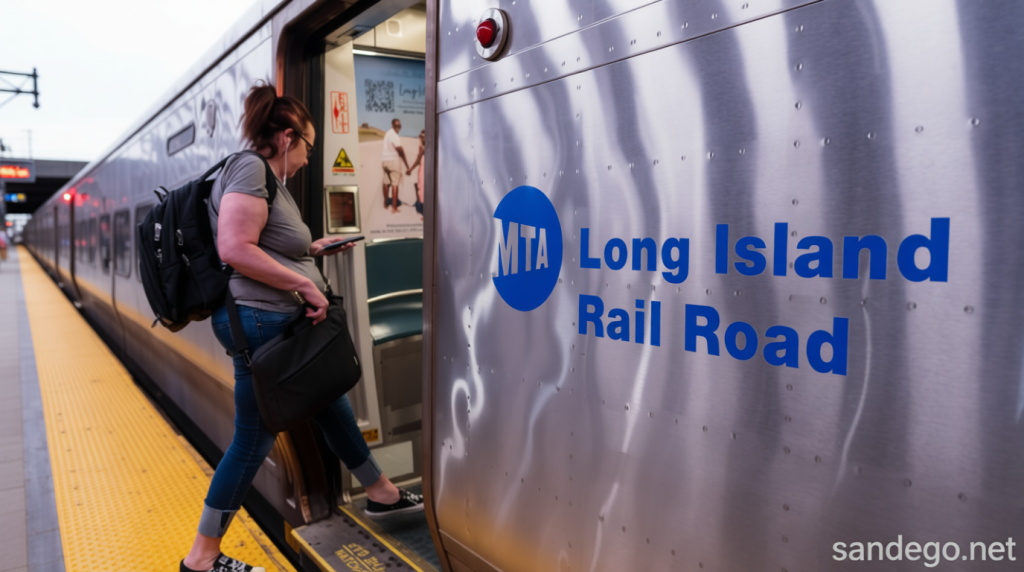
Long Island Rail Road, America’s Largest Commuter Railroad, Is on Strike
Long Island Rail Road America s largest – Employees of the Long Island Rail Road (LIRR), the country’s most extensive commuter rail system, have initiated a strike that could disrupt transportation for hundreds of thousands of daily commuters in the New York City metropolitan area. This marks the first labor action at the railroad since 1994, halting all train operations and forcing passengers to seek alternative means of travel. The unions involved, which represent 3,500 workers, failed to secure an agreement with railroad management on Friday, leaving the situation unresolved as of late Saturday morning.
Strike Background and Negotiation Breakdown
The strike began after two days of continuous talks between the unions and management collapsed. Kevin Sexton, vice president of the Brotherhood of Locomotive Engineers and Trainmen and a union spokesperson, stated, “After two days of round-the-clock negotiations, parties were unable to reach a deal.” The unions are advocating for their members to receive the first wage increase since 2022, a period characterized by significant inflation and rising living costs in one of the nation’s costliest regions. Despite management’s near-final offer, the dispute escalated when the railroad demanded additional concessions on healthcare coverage, which the unions deemed unfair.
According to the unions, two federal panels that reviewed the negotiations supported their position, emphasizing the need for fair compensation. However, management pushed back, insisting that the proposed wage hikes would strain the MTA’s financial resources. “We cannot responsibly make a deal that implodes MTA’s budget,” said Janno Lieber, CEO of the MTA, highlighting the agency’s reluctance to compromise on financial stability. The MTA attributed the strike’s outcome to the unions’ persistence, claiming that their demands would lead to unsustainable costs for riders and taxpayers.
Impact on Commuters and Alternative Transportation
The strike has placed commuters in a difficult position, particularly as the LIRR operates at roughly 90% of its pre-pandemic ridership levels. Last year, fare revenue totaled $636 million, with approximately $2 million in daily income at risk during the disruption. Even those with monthly passes will receive refunds, as the unions aim to ensure fair treatment for all passengers. While the strike started at midnight on Saturday, its effects will peak on Monday, when nearly 300,000 individuals rely on the LIRR to navigate the city.
As a result, the MTA has deployed limited bus services to alleviate the congestion. These buses can handle about 13,000 passengers in the morning and another 13,000 in the evening, far short of the usual demand. The agency is urging travelers to consider remote work, avoid non-essential trips, and allow extra time for their commutes. This comes at a time when gasoline prices have risen sharply, and new tolls have been introduced for vehicles entering Manhattan’s business district, compounding the challenges for commuters.
Public Reaction and Political Criticism
Despite the disruption, some unions remain steadfast in their demands, arguing that the strike is necessary to address the growing cost of living. “We are truly sorry that we’re in this situation. These riders are our friends, our neighbors, they live in our communities,” Sexton remarked, acknowledging the hardship caused by the strike. The unions emphasize that their goal is to ensure fair pay, which they believe aligns with the economic realities faced by workers.
New York Governor Kathy Hochul criticized the strike on Saturday, calling it “reckless” and warning that the union’s demands could make train fares unaffordable for regular commuters. “Commuters are dealing with unnecessary dysfunction, and thousands of union LIRR workers are forced to go without a paycheck because of the decisions made by a small group of union leaders,” Hochul said, encouraging both parties to resume negotiations. She framed the strike as a strategic move by the unions to pressure the MTA and state government into a less favorable agreement.
Weekend Travel and Baseball Events
The strike’s impact is not limited to weekdays, as the MTA anticipates an increase in passengers during off-peak hours this weekend. This is due to the upcoming games between New York’s Major League Baseball teams, the Mets and Yankees, at the Mets’ Citi Field, which is accessible via the LIRR. While weekends typically see fewer travelers than weekdays, the combination of sports events and the ongoing strike could lead to a surge in demand for alternative transportation.
Amid the logistical challenges, the MTA has also pointed to the unions’ role in the breakdown. Janno Lieber, who leads the MTA, claimed the unions were determined to strike from the outset, aiming to create disruption and force a compromise. “Their strategy is to inconvenience Long Islanders and try to force the MTA and the State to do a bad deal,” he said, underscoring the agency’s frustration with the unions’ approach. The MTA has stressed its commitment to maintaining service, even as it struggles to meet the demand during the strike.
Financial and Operational Challenges
The LIRR’s financial health is another key factor in the dispute. With fare revenue last year reaching $636 million, the railroad stands to lose millions during the strike, as it can only accommodate a fraction of its usual ridership through bus replacements. The MTA’s reliance on this revenue highlights the broader implications of the labor action, which could affect the agency’s ability to fund other services and infrastructure projects. The unions, however, argue that the current wage demands are reasonable, especially given the inflationary pressures and stagnant pay for years.
While the strike has been ongoing, some workers are still in the mix, such as conductors, who are not participating but are honoring picket lines. This split within the workforce adds complexity to the situation, as conductors remain available to assist with operations, even as other union members take to the streets. The MTA has also faced criticism for its handling of the strike, with Lieber asserting that the decision to delay a deal was driven by a desire to prevent the railroad from becoming overburdened financially.
As the situation unfolds, the strike has drawn attention to the broader challenges facing public transportation in the region. The LIRR’s role as a critical link between suburban areas and Manhattan has made the disruption particularly significant, affecting both daily commutes and long-term planning. The unions’ demand for a 4% to 5% wage increase reflects their push for better compensation in line with inflation, while management seeks to balance the needs of workers with the fiscal constraints of the MTA.
With the strike in full effect, the MTA and unions face mounting pressure to find a resolution. The prolonged disruption has not only caused inconvenience for passengers but has also raised questions about the effectiveness of labor negotiations in the current economic climate. As the weekend progresses, the impact of the strike will become clearer, and the next steps in the negotiations will determine whether the LIRR can resume normal operations in the coming days or if the conflict will escalate further.
Key Players and Future Outlook
The strike has positioned the MTA and the unions as the central figures in the debate over fair wages and operational efficiency. The unions, representing engineers, signalmen, and machinists, have argued that their demands are justified by the economic pressures they face. Meanwhile, the MTA insists that their position is driven by the need to preserve long-term financial sustainability. As both sides prepare for the next phase of negotiations, the outcome will shape the future of the LIRR and its ability to serve the millions who depend on it daily.
For now, the strike continues, leaving commuters to navigate an uncertain situation. Whether the LIRR can return to full service before the next week remains to be seen, but the standoff underscores the delicate balance between labor demands and the operational realities of mass transit systems. The unresolved dispute serves as a reminder of the challenges in maintaining equitable pay while managing the financial demands of a critical public service.
