
59,000-year-old tooth offers a rare glimpse into how Neanderthals handled a medical problem
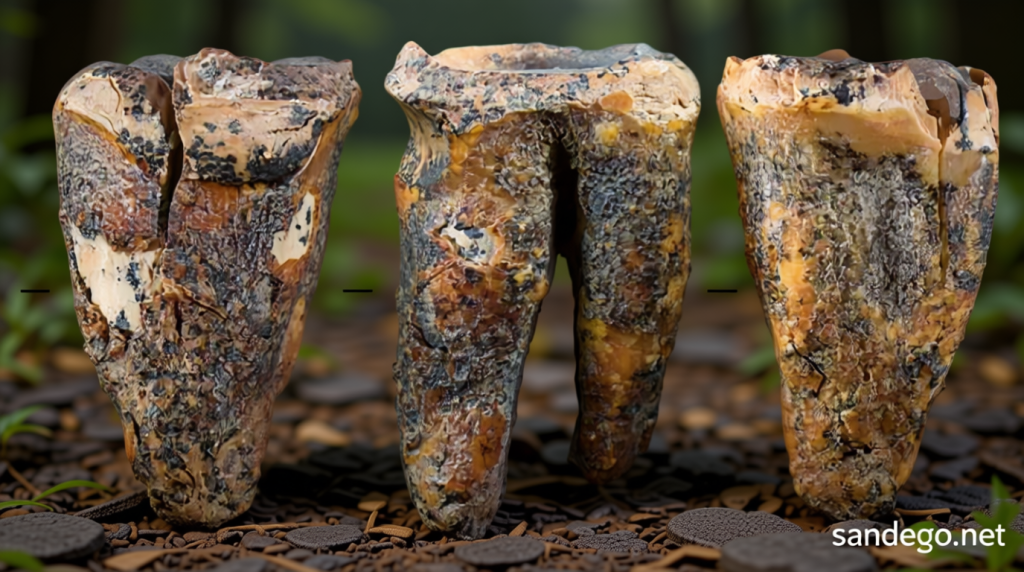
59,000-Year-Old Tooth Offers Rare Insight Into Prehistoric Dental Care
59 000 year old tooth offers – Scientists have uncovered compelling evidence of early human medical intervention through a fossilized molar dating back 59,000 years. The discovery, made in Chagryskaya Cave within the Altai Mountains of southern Siberia, challenges long-held perceptions of Neanderthals as primitive beings. This particular tooth, labeled Chagyrskaya 64, was identified among a collection of remains from a site inhabited by Neanderthals between 49,000 and 70,000 years ago. Its unique structure has sparked significant debate about the cognitive abilities and medical practices of these ancient hominins.
A Hole in the Crown: Evidence of Intervention
The tooth’s most striking feature is a deep, irregular cavity that penetrates its crown and reaches the pulp chamber, a region housing nerves and blood vessels. This opening suggests the presence of a painful infection, likely affecting the chewing surface. Researchers noticed additional clues: fine scratches encircling the cavity, hinting at the use of a tool to manipulate the tooth. These marks align with the presence of small, sharp stone implements found nearby. The combination of these elements led to the hypothesis that the tooth was deliberately modified using drilling techniques.
Advanced imaging and experimental replication of the tool’s movements provided further confirmation. By applying similar tools to modern human teeth, scientists observed that the process could have effectively removed decayed material. The scans also detected microtraces of rotational drilling, indicating the Neanderthal had not only identified the problem but executed a precise method to alleviate it. This discovery marks the earliest documented instance of targeted dental treatment in human evolutionary history, as reported in a study published in *PLOS One*.
Revealing Neanderthal Ingenuity
Lead researcher Alisa Zubova, from the Russian Academy of Sciences, emphasized the significance of the find. “What impressed me was the Neanderthal’s ability to pinpoint the source of pain and remove it with a tool,” she noted. The tooth’s wear patterns also suggest that the individual continued using it after the procedure, indicating the treatment was functional and not merely decorative. This level of care underscores the Neanderthal’s capacity for both practical and cognitive sophistication, far beyond the crude image often associated with them.
The findings contribute to a broader understanding of Neanderthal behavior, challenging earlier stereotypes. Previously, these early humans were depicted as less intelligent, more animal-like, and lacking complex social strategies. However, this evidence reveals a species capable of diagnosing pain, developing tools, and executing procedures requiring patience and skill. “This demonstrates that Neanderthals had independent emotional and conscious processes, much like modern humans,” Zubova added, highlighting the complexity of their mental capabilities.
Dental Health and Dietary Habits
Contrary to the assumption that Neanderthals regularly suffered from cavities, their oral health appears to have been surprisingly robust. Earlier studies indicate that their diet, rich in proteins and low in carbohydrates, reduced the risk of tooth decay. Additionally, their oral microbiome was more diverse and less prone to the bacterial strains that cause cavities in modern humans. This context makes the Chagyrskaya 64 tooth an outlier, suggesting a specific instance of medical action rather than a common practice.
While previous research had noted scratches on Neanderthal teeth, these were initially interpreted as incidental damage from food debris or natural wear. The new analysis, however, proposes an alternative explanation: the marks may have been made by tools used for dental care. This interpretation aligns with other examples of Neanderthal tool use, such as the creation of sharp implements for various tasks. The presence of these tools in the cave implies a level of resourcefulness that could have been applied to multiple aspects of survival.
Social Care and Medical Innovation
Study coauthor Ksenia Kolobova, from the Siberian Branch of the Russian Academy of Sciences, linked the dental treatment to broader patterns of Neanderthal behavior. She pointed out that these hominins exhibited social care by sharing food or protecting injured individuals, a practice seen in nonhuman primates. However, the drilling evidence suggests they took this care further by implementing deliberate, problem-solving strategies. This distinction is critical: while self-medication with plants might be instinctual, the precision of the dental procedure indicates a conscious effort to address a specific issue.
The discovery also raises questions about the timeline of medical innovation. If Neanderthals developed such techniques 59,000 years ago, it implies that early humans were capable of advanced problem-solving long before the emergence of modern Homo sapiens. This challenges the notion that such practices were exclusive to our species. The study’s implications extend beyond dentistry, offering a glimpse into Neanderthal cognition and their ability to adapt to health challenges.
Connecting Past and Present
The Chagyrskaya 64 tooth is not the first evidence of Neanderthal medical behavior. Earlier findings, such as tools used for scraping or cutting, have hinted at their ability to treat injuries and ailments. However, this molar represents a breakthrough because it directly links to a specific medical action—drilling a cavity. The process required not only the identification of a problem but also the skill to execute a solution, demonstrating a level of sophistication that rivals that of modern humans.
Researchers are now reevaluating the cognitive and psychological landscape of Neanderthals. The ability to perform such a procedure suggests they possessed a sense of empathy and awareness of their own and others’ pain. This aligns with other archaeological discoveries, such as the use of fire and symbolic artifacts, which also point to complex social and intellectual behaviors. The combination of these findings paints a picture of Neanderthals as adaptable, intelligent beings who interacted with their environment in nuanced ways.
“We have never seen anything like this before—neither among Neanderthals nor in modern humans from later periods,” Zubova remarked. The cavity’s removal would have been a painful process, requiring both the individual to endure discomfort and the Neanderthal to master the use of tools. This duality underscores the resourcefulness of the species, as they not only recognized a medical issue but also developed the means to address it.
Broader Implications for Human Evolution
While the focus of this study is on dental treatment, the findings have broader implications for understanding human evolution. The Neanderthal’s ability to perform such a procedure suggests that the capacity for targeted medical intervention may have evolved earlier than previously believed. This challenges the idea that such behaviors were unique to Homo sapiens and opens the door to reexamining the cognitive similarities between Neanderthals and modern humans.
Moreover, the study highlights the importance of interdisciplinary approaches in archaeology. By combining scanning technologies, experimental methods, and comparative analysis, researchers have pieced together a narrative of Neanderthal ingenuity. The tooth’s condition, along with the surrounding artifacts, provides a rare snapshot of how these hominins navigated health and survival challenges in their environment.
As the research continues, scientists hope to uncover more evidence of Neanderthal medical practices. The Chagyrskaya 64 tooth, though singular in its context, may be part of a larger pattern of care and innovation. This discovery not only enriches our understanding of Neanderthal life but also reinforces the idea that their cognitive abilities were on par with those of modern humans, challenging the notion that they were simple-minded or brutish. The ability to diagnose and treat a dental issue 59,000 years ago stands as a testament to their resilience and adaptability.
