
Trump wants to lift the federal tax on gas. But don’t expect much relief even if it happens
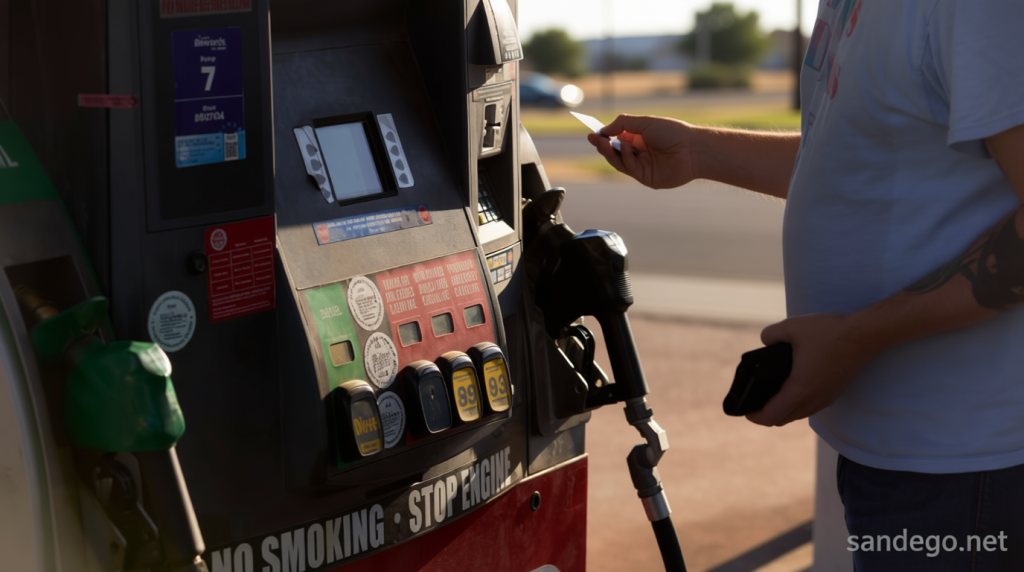
Trump Seeks to Lift Federal Gas Tax Amid Rising Fuel Costs
Trump wants to lift the federal – Former President Donald Trump has proposed suspending the federal gas tax to ease financial pressure on drivers grappling with elevated fuel prices. This initiative aims to address the strain caused by recent spikes in gasoline costs, which have surged due to geopolitical factors such as the ongoing conflict with Iran. While the move could offer immediate relief, analysts suggest that the impact on consumers may be limited. The success of Trump’s plan depends on congressional approval, a process that has often proven difficult for lawmakers, even when fuel prices reach record highs.
Historical Context of the Federal Gas Tax
Since its implementation in 1956, the federal gas tax has been a cornerstone of the Highway Trust Fund, which finances road and bridge construction across the nation. However, the current tax rates—18.4 cents per gallon for gasoline and 24.4 cents for diesel—have not adjusted for inflation, leading to underfunding of transportation infrastructure. With the national average for gasoline hitting $4.52 per gallon, up from $2.98 before the Iran conflict began on February 28, the need for reform has intensified. Trump’s proposal to lift the federal gas tax could provide short-term savings but may not fully resolve the financial challenges of the current era.
“Lifting the federal gas tax could reduce the cost at the pump, but the savings for individual consumers might be modest,” noted Kent Smetters, faculty director at Penn Wharton Budget Model.
The potential impact of Trump’s plan to suspend the federal gas tax is significant. According to the Penn Wharton Budget Model, a temporary tax holiday could lower fuel prices by roughly 13.2 cents per gallon for gasoline and 14.6 cents for diesel. For households that fill their vehicles weekly, this could result in about $35 in annual savings. Yet, the benefits may be diluted as retailers and suppliers retain a portion of the savings, leaving drivers with only a fraction of the expected reduction. Experts emphasize that the measure’s effectiveness depends on how much of the tax cut translates directly into lower prices for consumers.
Supply Chain and Inflationary Pressures
Although a federal gas tax suspension might lower fuel prices temporarily, it doesn’t address the root causes of the cost crisis. Economists warn that such a move could increase demand during a period of constrained supply, potentially driving prices higher. Steve Cicala, an economics professor at Tufts University, highlighted that the tax cut alone does not solve the inflationary pressures on fuel. “Trump wants to lift the federal gas tax as a quick fix, but it may not account for the broader economic forces at play,” Cicala added. The tax holiday could also strain the Highway Trust Fund, which is already facing a shortfall of around $17 billion if the suspension lasts five months.
As inflation continues to erode purchasing power, the federal gas tax’s lack of adjustment has become a point of contention. The Bipartisan Policy Center estimates that the tax would now need to be 40.8 cents per gallon to reflect current economic conditions. While Trump’s proposal to lift the federal gas tax is framed as an economic relief strategy, critics argue that it could lead to long-term challenges in funding critical infrastructure. The decision to implement the tax cut may force lawmakers to prioritize short-term relief over long-term investments in transportation projects.
Political Implications and State-Level Actions
Trump’s push to lift the federal gas tax is part of a larger political effort to position himself as a champion of economic relief. With the upcoming midterm elections, reducing the burden on everyday consumers has become a strategic priority for Republicans. However, the plan’s success hinges on congressional support, which has been elusive in the past. In 2022, a Democratic-led Congress rejected similar requests by former President Joe Biden, underscoring the political challenges of enacting such measures. Trump wants to lift the federal gas tax as a way to reconnect with voters and highlight his administration’s focus on economic affordability.
Meanwhile, several states have taken proactive steps to alleviate fuel costs. Georgia, for example, suspended its state gas tax for two months in March, while Indiana and Kentucky have also reduced their rates. These actions demonstrate a growing trend of state-level interventions to ease the financial strain on drivers. However, the federal gas tax suspension remains a key policy goal for Trump, who has consistently advocated for it as part of his broader economic agenda. The interplay between state and federal measures may shape the overall impact on consumers, even if the federal tax remains in place.
Long-Term Impact and Consumer Behavior
The suspension of the federal gas tax, if approved, could influence consumer behavior by encouraging more driving during periods of high demand. Analysts argue that the measure might not only lower prices but also stimulate increased consumption, which could put further pressure on an already strained supply chain. “Trump wants to lift the federal gas tax to provide immediate relief, but this could create a ripple effect on overall fuel demand,” said a transportation economist. The broader economic implications of the tax cut are still being debated, with some fearing it may lead to higher prices in the long run due to supply-side constraints.
As the debate over Trump’s plan to lift the federal gas tax continues, the focus remains on balancing short-term savings for consumers with the need to fund essential infrastructure. The federal government’s reliance on the gas tax for transportation projects means any suspension could have lasting consequences. While the idea of lowering fuel costs is appealing, experts caution that it requires careful consideration of how the savings are distributed and whether it addresses the underlying issues driving up prices. Trump’s proposal to lift the federal gas tax is a key part of his strategy to appeal to voters during this critical election period.
