
Transportation Secretary Sean Duffy returns to reality TV roots, sparking criticism and questions
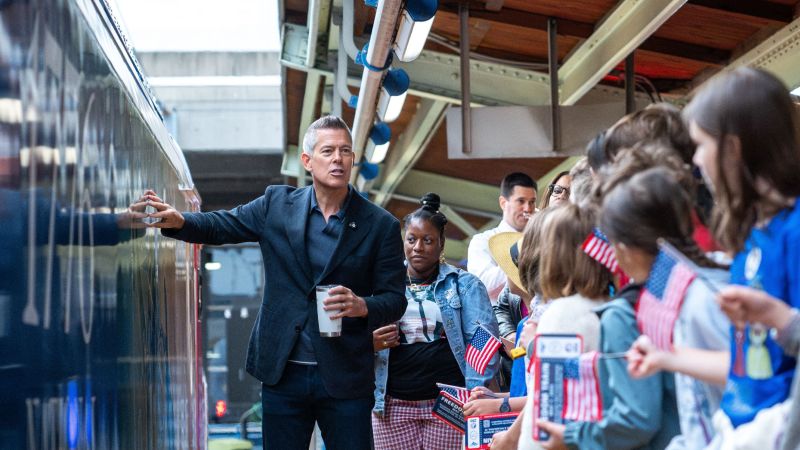
Transportation Secretary Sean Duffy’s New Reality Show Ignites Debate
Transportation Secretary Sean Duffy returns to reality – Sean Duffy, the U.S. Transportation Secretary, has launched a new reality series titled “The Great American Road Trip,” filmed over the past seven months with his family. The show, which will be streamed for free on YouTube ahead of the nation’s 250th anniversary, has drawn mixed reactions from the public, particularly as gas prices remain elevated. Critics argue the timing of the project raises questions about its relevance to current economic challenges, while Duffy maintains the series is a personal endeavor funded independently of taxpayer money.
Funding and Partnerships
Duffy stated that the production costs of the show were covered entirely by a nonprofit organization, Great American Road Trip Inc. He emphasized that “zero taxpayer dollars were spent on my family,” clarifying that his family members did not earn any wages or share in production profits. According to the show’s website, its sponsors include Boeing, Shell, Toyota, United Airlines, and Royal Caribbean—companies whose operations overlap with the responsibilities of the Department of Transportation. This connection has led to concerns about potential conflicts of interest, as some viewers question whether the series indirectly promotes corporate interests.
“As everyday Americans grapple with rising fuel costs and express worries about airline safety, the Secretary’s decision to allocate work time for a road trip seems at odds with the urgency of these issues,” remarked Donald K. Sherman, president of Citizens for Responsibility and Ethics in Washington.
Behind the Scenes of the Road Trip
The Duffys, a family of nine, began filming the show in segments lasting one to two days each. Their itinerary featured iconic American landmarks, such as the Rocky Steps in Philadelphia, a snowy adventure in Montana, and a visit to the original set of “The Real World: Boston,” where Duffy first appeared on television. The series aims to capture the essence of the United States through its diverse landscapes and cultural touchpoints, as expressed in the trailer’s narration: “To love America is to see America,” Duffy says, while footage of sweeping fields and bustling cities plays in the background.
Reality TV Return and Public Reaction
Sean and Rachel Campos-Duffy, who co-hosts “Fox and Friends Weekend,” have returned to their reality television roots. The couple met while working on the MTV show “Road Rules: All Stars,” a partnership that marked the beginning of their careers in entertainment. Their new series, however, has sparked criticism from some quarters, with detractors suggesting it feels self-serving given the current financial climate. The trailer’s release has coincided with a period of economic strain, as many Americans struggle to afford travel due to soaring gas prices and other rising costs.
“‘The Great American Road Trip’ will inspire families to step away from the noise, hit the open road, and reconnect with what matters most,” Campos-Duffy says in the trailer, highlighting the show’s intended message of American unity and adventure.
Economic Challenges and Public Sentiment
The timing of the show’s debut has drawn attention to the broader economic struggles facing the country. The US-Iran conflict has contributed to a sharp increase in fuel prices, with gasoline reaching $4.55 per gallon this week. This has made travel more expensive for ordinary families, who have had to cut back on essentials and discretionary spending. According to a recent CNN poll conducted by SSRS, public confidence in Trump’s economic management has dropped to a career-low of 31%, underscoring a general sense of pessimism about the country’s financial direction.
Despite these challenges, Duffy’s office has defended the project, noting that the Transportation Department has taken steps to reduce car costs and support the “energy dominance agenda.” A spokesperson for the agency stated, “Secretary Duffy has already taken action to make cars affordable and to advance the president’s energy dominance agenda.” This assertion aims to contextualize the show as part of a larger effort to promote American industry and infrastructure.
Political Criticism and Family Defense
Former Transportation Secretary Pete Buttigieg, who served under President Joe Biden, criticized Duffy’s decision, calling the series “brutally out of touch.” In a statement, Buttigieg argued that regular families can no longer afford extended road trips because of the impact of Trump’s policies on gas and grocery prices. His husband, Chasten Glezman Buttigieg, echoed this sentiment, describing the show as “unserious” and accusing the Duffys of “bragging about their multi-month, taxpayer-funded family road trip” while the public faces economic hardship.
Campos-Duffy responded to these critiques, reiterating that all production expenses were covered by the nonprofit organization. “No one in my family—including my husband—was paid to do this,” she said, emphasizing the show’s independence. The Great American Road Trip Inc. is classified as a 501(c)(4) entity, which means it can engage in political activities as long as it maintains a focus on educational and cultural initiatives. The website describes the organization as “proudly partnering with the U.S. Department of Transportation” to “celebrate and share America’s story,” a mission that aligns with its corporate sponsors’ interests.
Context and Public Perception
As the nation prepares for its 250th anniversary, Duffy’s return to reality television has become a focal point of political discourse. The show’s production coincides with a time when many Americans are prioritizing budget cuts, with gas prices and other essentials driving financial decisions. While the Duffys frame their journey as a celebration of American life, critics argue that the project appears to capitalize on the country’s challenges rather than addressing them directly.
The series also highlights the role of corporate partnerships in shaping public narratives. By collaborating with major industry leaders, the show blurs the line between entertainment and advocacy, prompting debates about transparency and influence. As the trailer’s message of unity and exploration gains traction, its impact on public perception remains a topic of discussion, especially in an era of heightened economic anxiety.
Conclusion and Ongoing Debate
With the Great American Road Trip set to premiere, the conversation around Duffy’s personal involvement in the project continues. While the Duffys stress the show’s nonpartisan funding and independent production, the timing of its release has placed it under scrutiny. The series serves as a reminder of the intersection between public service and media influence, raising questions about whether a government official’s entertainment pursuits can coexist with their responsibilities to address national priorities. As the U.S. grapples with rising costs and economic uncertainty, the show’s message of American resilience will be tested against the realities of everyday life.
