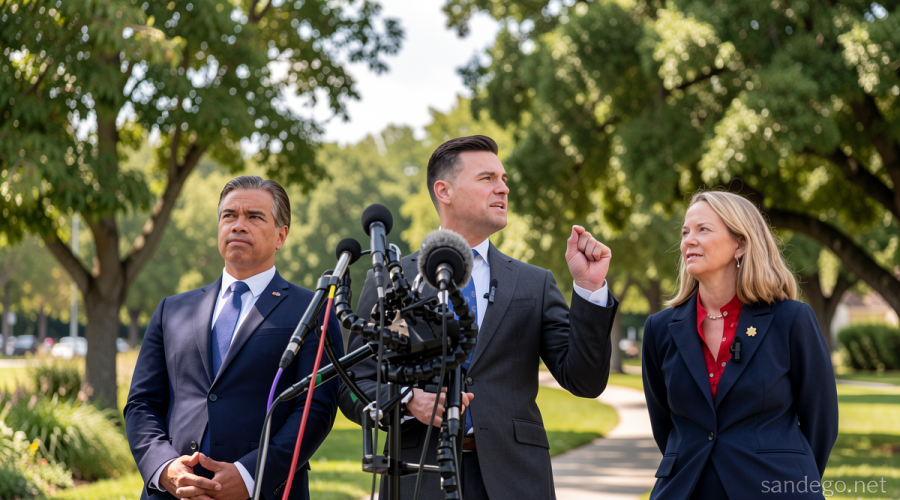
State AGs Finalizing Antitrust Lawsuit Over Merger
Sandego.net – Legal teams representing multiple states are putting the finishing touches on a comprehensive antitrust lawsuit that contests Paramount Global’s proposed acquisition of Warner Bros. Discovery, which includes the CNN network. According to individuals familiar with the proceedings, the multistate legal action is anticipated to be submitted to court within the coming week, although this timeline remains flexible and could shift. The State AGs finalizing antitrust lawsuit represents a significant challenge to the media consolidation.
If this legal challenge materializes as expected, it may significantly complicate Paramount’s objectives to assume control of Warner Bros. Discovery before the summer season concludes. The media conglomerate has been actively pursuing completion of the transaction during the immediate future. This potential lawsuit would mark yet another example of state-level attorneys general stepping in to challenge a corporate merger that has already received federal government approval.
Federal Approval Doesn’t Prevent State Action
The Department of Justice under the Trump administration granted clearance for Paramount’s purchase of Warner Bros. Discovery last month, despite facing criticism regarding the administration’s relationship with the media company. Importantly, federal authorization does not prevent state attorneys general from pursuing their own antitrust arguments independently.
Advocates who have encouraged state officials to file legal action have contended that the proposed merger would damage competitive dynamics throughout both the entertainment sector and news media landscape. Paramount has consistently rejected these allegations. According to sources, state-level government officials have been examining Paramount’s lobbying activities directed at the Trump administration, alongside various other concerns.
Paramount’s Response and Global Regulatory Landscape
When asked about the possibility of a lawsuit from a coalition of states, a representative for Paramount stated:
“We continue to engage constructively with regulators, including State Attorneys General, and are prepared to address any legitimate antitrust issues. We are confident this transaction raises no such concerns.”
Paramount faces additional regulatory scrutiny beyond American borders. In the United Kingdom, culture minister Lisa Nandy recently indicated she was considering intervention in the transaction. Meanwhile, a coalition of state attorneys general has been examining the deal for several months, with California Attorney General Rob Bonta consistently voicing reservations about the proposed combination.
When contacted on Wednesday afternoon, Bonta’s office responded:
“The Paramount acquisition of Warner Bros. remains an active investigation, and we do not have any update to share at this time.”
Oregon Subpoena and Timeline Concerns
Reuters reported earlier on Wednesday regarding the potential timing of the lawsuit. While most legal developments between Paramount and the states have remained relatively private, the office of Oregon Attorney General Dan Rayfield appeared in court on Wednesday to pursue enforcement of a subpoena connected to the state’s examination of the deal. The hearing was postponed until Monday.
Paramount representatives informed the court that the merger would not be finalized before July 22. The Oregon Attorney General’s office is requesting that the court mandate a sixty-day waiting period before Paramount can assume control of Warner Bros. Discovery. However, any such court order could potentially be overridden by the broader multistate lawsuit.
Precedent and Industry Implications
A coalition of state attorneys general successfully delayed Nexstar’s acquisition of rival television station Tegna earlier this year. A judge froze that transaction ahead of an anticipated trial, and Nexstar is currently pursuing an appeal.
Paramount’s Wednesday statement emphasized that regulators across multiple nations have already approved the Warner Bros. Discovery transaction. A spokesperson told CNN:
“Antitrust authorities around the world have carefully reviewed this transaction, clearing it or concluding that it does not violate any competition laws.”
The spokesperson continued:
“That regulatory record underscores what the facts, the law and the economics make clear: this transaction will create a stronger challenger to dominant global streaming and technology platforms, expand consumer choice, increase investment in premium content and theatrical distribution, and create more opportunities for creators and workers.”
Paramount concluded:
“We are confident the facts and the law support this transaction, and we will continue to engage with all regulators as they review the deal.”