
Understanding the Covid-19 Cicada Variant: What You Need to Know
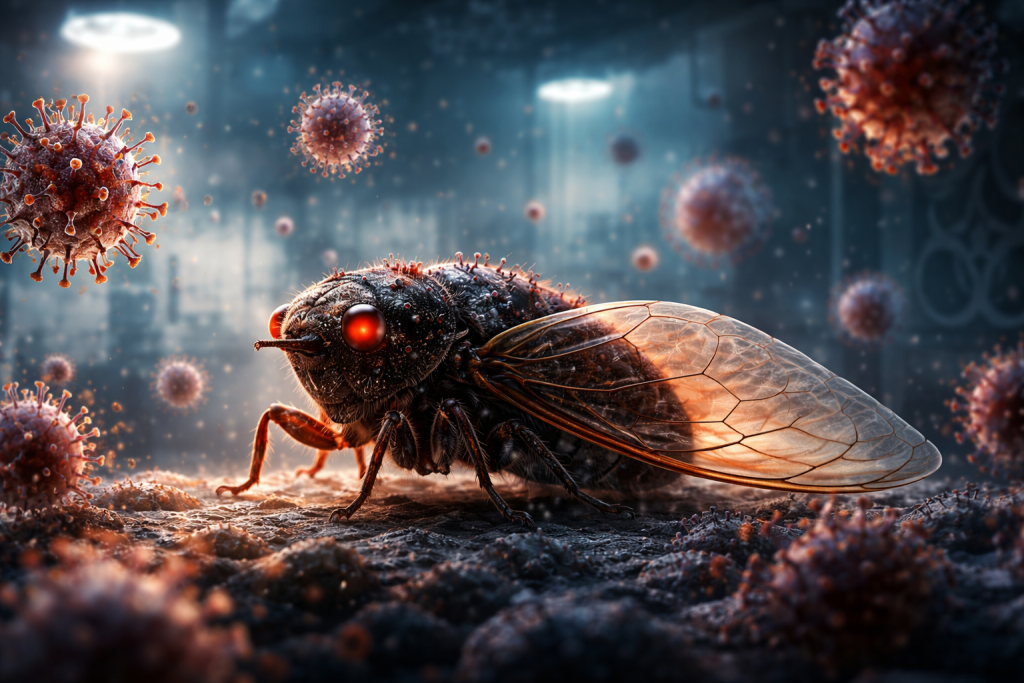
Understanding the Covid-19 Cicada Variant: What You Need to Know
The Covid-19 Cicada Variant is a new strain of the virus that has emerged recently, causing concern among health professionals and the general public. This variant, named after the cicada due to its sudden and loud emergence, has drawn attention because of its distinct characteristics and potential for rapid spread. But what exactly is the Covid-19 Cicada Variant, and how does it differ from the previous strains? In this article, we’ll dive deep into the key facts surrounding this new variant, its symptoms, transmission, and what you can do to stay safe.
What is the Covid-19 Cicada Variant?
The Covid-19 Cicada Variant is a new mutation of the SARS-CoV-2 virus, responsible for causing Covid-19. It was first detected in late 2025 and has quickly garnered attention due to its unusual mutation pattern. While many of the variants we’ve encountered have shown gradual changes over time, this particular strain has emerged more suddenly, much like the cicada, which emerges from the ground in cycles.
Scientists believe the variant evolved in response to immunity acquired through previous infections and vaccinations. As a result, the Covid-19 Cicada Variant appears to have mutations that make it more contagious and possibly more resistant to current vaccines and treatments.
Symptoms of the Covid-19 Cicada Variant
The symptoms of the Covid-19 Cicada Variant appear to be similar to those of other Covid-19 strains but can differ in severity. Some of the most commonly reported symptoms include:
– Fever or chills
– Cough, often dry or persistent
– Fatigue and body aches
– Shortness of breath or difficulty breathing
– Loss of taste or smell (less common but still possible)
– Headache, especially in the early stages
What sets the Cicada variant apart is that some people report more digestive issues, such as diarrhea or nausea, than they have experienced with previous strains. It is important to keep in mind that the Covid-19 Cicada Variant can cause severe illness, particularly in people with weakened immune systems, the elderly, or those with underlying health conditions.
How is the Covid-19 Cicada Variant Transmitted?
Like all Covid-19 variants, the Cicada variant spreads primarily through respiratory droplets when an infected person coughs, sneezes, or talks. It can also be transmitted by touching surfaces contaminated with the virus and then touching your face.
What makes this variant particularly concerning is that it may spread more quickly than previous variants. Early studies suggest that the Covid-19 Cicada Variant has a higher transmission rate, meaning it can infect more people in a shorter period. This could put extra strain on healthcare systems and increase the risk of widespread outbreaks if not carefully monitored.
Is the Covid-19 Cicada Variant More Dangerous?
Currently, there isn’t conclusive evidence to suggest that the Covid-19 Cicada Variant is more deadly than earlier strains. However, it does appear to cause more severe symptoms in some cases, especially among people who are unvaccinated or have compromised immune systems. The variant’s ability to spread quickly could also lead to larger outbreaks, which increases the overall risk of severe disease and hospitalizations.
Health experts are continuing to study how the Cicada variant behaves in different populations and whether it could lead to higher mortality rates. Initial findings suggest that it may also impact the efficacy of existing vaccines, but more data is needed to confirm this hypothesis.
Can Current Vaccines Protect Against the Covid-19 Cicada Variant?
One of the main questions surrounding the Covid-19 Cicada Variant is whether the vaccines developed for earlier strains of the virus will remain effective. While studies are still ongoing, the general consensus among researchers is that the vaccines provide a degree of protection against severe illness and hospitalization. However, their effectiveness in preventing infection from the Cicada variant may be reduced.
Booster shots are being recommended for individuals who are at higher risk of contracting the virus. Additionally, new vaccine formulations targeting the Cicada variant may be developed in the near future. As always, it is important to stay updated on the latest health guidance and to get vaccinated if you haven’t already done so.
What Can You Do to Protect Yourself?
While the situation is still evolving, the best course of action for preventing the spread of the Covid-19 Cicada Variant is to continue practicing the safety measures that have been recommended throughout the pandemic. This includes:
– Getting vaccinated and staying up to date on booster shots
– Wearing masks, especially in crowded indoor environments
– Social distancing where possible
– Washing your hands regularly and using hand sanitizer when soap is unavailable
– Avoiding large gatherings or crowded areas if possible
– Getting tested if you experience any symptoms or have been in contact with someone who tested positive
Staying vigilant and informed about the Covid-19 Cicada Variant can help reduce its spread and minimize the risk to vulnerable populations.
Conclusion
The Covid-19 Cicada Variant is a new and concerning development in the fight against Covid-19. While much is still unknown, what we do know is that it shares many characteristics with previous strains but may be more contagious and harder to control. Understanding its symptoms, how it spreads, and how to protect yourself are crucial steps in minimizing the impact of this variant. Continue to follow the guidance from health authorities and get vaccinated to protect yourself and those around you.
FAQ
Q: What is the Covid-19 Cicada Variant?
A: The Covid-19 Cicada Variant is a new strain of the virus that has emerged with distinct mutations, making it more contagious and possibly more resistant to current vaccines.
Q: How do I protect myself from the Covid-19 Cicada Variant?
A: Protect yourself by getting vaccinated, wearing masks in crowded places, practicing good hygiene, and maintaining social distancing where possible.
Q: Are current vaccines effective against the Covid-19 Cicada Variant?
A: Current vaccines provide some protection, especially against severe illness, but their effectiveness in preventing infection may be reduced. Booster shots are recommended.
Q: How does the Covid-19 Cicada Variant spread?
A: It spreads primarily through respiratory droplets, as well as by touching contaminated surfaces and then touching your face.
Q: Is the Covid-19 Cicada Variant more deadly than previous strains?
A: There is no evidence yet to suggest that it is more deadly, but it may cause more severe illness in certain populations, particularly the unvaccinated or immunocompromised.
