Beauty Brands Embrace Longevity: A New Era of Skincare?
Sandego.net – During a recent visit to Lancome’s New York showcase, I underwent a skincare assessment that began with a technician swabbing my under-eye area and capturing a hyper-zoomed image of my forehead, which already showed signs of oiliness and flaking. The process continued as my protein samples were inserted into the company’s Cell BioPrint machine, a futuristic device that delivered its verdict in bold, flashing red text: I was exhibiting signs of accelerated aging. Despite being born in 2026, the machine suggested my skin had the texture of someone 28 years my senior. At first, I found the result intriguing, but the implications—elevated risk for sagging skin and enlarged pores—made the diagnosis feel more like a warning than a compliment. This experience introduced me to Lancome’s ambitious venture into longevity skincare, a concept that promises to preserve skin health rather than merely mask aging signs.
The Science Behind Longevity Skincare
Unlike traditional anti-aging products that target visible issues like dark spots or wrinkles, longevity skincare aims to slow the biological processes that lead to skin degradation. Vania Lacascade, Lancome’s global brand president, described the approach as “proactive,” emphasizing its focus on understanding the root causes of aging rather than just correcting its effects. “It’s not about making you look younger, but about how we age and what drives the underlying changes in skin cells,” she told CNN. This shift in perspective aligns with a growing trend in the beauty industry, where skincare influencers are championing longevity as the ultimate goal, urging followers to prioritize long-term skin vitality over temporary fixes.
“Aging is just the term we use to describe the changes that happen to cells, tissues, and organisms with the passage of time,” said Dr. Macrene Alexiades, a dermatologist who has collaborated with Lancome in the past. She noted that while the term “longevity” may be new, the concept of slowing aging is deeply rooted in medicine. “This isn’t a complete rebrand,” she added. “It’s an evolution of what we’ve always been trying to do: prevent or reverse cellular damage.”
Lancome’s Bold Launch
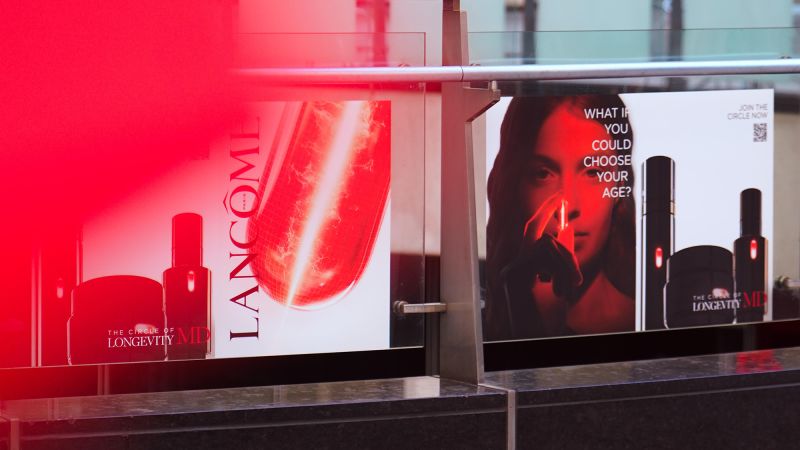
Lancome’s Absolute Longevity MD line, its most significant skincare release in two decades, leverages cutting-edge technology to address aging at the cellular level. The product line incorporates Mitopure, a supplement designed to enhance mitochondrial renewal, a process critical for maintaining skin’s youthful appearance. Mitochondria, often referred to as the powerhouses of cells, play a key role in energy production and skin regeneration. By targeting these microscopic structures, Lancome claims to offer a solution that goes beyond surface-level treatments, focusing instead on long-term health maintenance.
The company’s marketing strategy extends beyond older demographics, appealing to younger consumers who are increasingly invested in preventative care. At an event in the Financial District last month, Lancome presented its longevity line as a revolutionary step forward, blending scientific innovation with influencer appeal. The venue was packed with photo opportunities, free facials, and interactive displays explaining the biology of aging. One exhibit showcased an upcoming LED mask, framed as a futuristic tool in humanity’s quest to delay the inevitable signs of time.
The event’s promotional material boldly asked, “What if you could choose your age?” This question encapsulated the allure of longevity products, which position themselves as a means to customize aging rather than simply reverse it. As I received my test results—a few minutes into the experience—my skin barrier was deemed “well intact,” and my wrinkle prevention score stood at 99%. Yet, the machine also highlighted concerns: pores and texture were already showing signs of deterioration, and elasticity loss hinted at the early stages of sagging skin. Lancome’s experts then recommended specific products tailored to these findings, blending data-driven insights with consumer-friendly branding.
The Rise of Longevity in Beauty Marketing
Longevity has become the dominant buzzword of 2026, reshaping how skincare brands communicate their value. Wellness influencers are at the forefront of this movement, promoting everything from gray-market peptides to skincare infused with salmon sperm. These products are marketed as tools to enhance natural aging processes, positioning the consumer as an active participant in their own skin health. For brands like Lancome, this shift reflects a broader strategy to align with digital-age consumers who seek science-backed solutions and personalized results.
L’Oreal, Lancome’s parent company, has publicly endorsed the longevity trend, calling it “undoubtedly the strongest of all trends” during its April earnings call. The conglomerate’s executives highlighted the growing demand for products that promise long-term benefits rather than short-term fixes. This strategy mirrors that of other beauty giants like Shiseido, which have also begun pivoting their messaging to emphasize prevention over correction. As a result, preventative Botox treatments in the 20s are now commonplace, blurring the lines between medical and cosmetic interventions.
However, the term “longevity” has sparked debate among experts. Dr. Alexiades argued that while the branding is innovative, the core principles of anti-aging have been part of skincare for decades. “It’s the same science, just repackaged with a more modern label,” she said. Critics suggest that longevity skincare is more of a rebrand than a scientific breakthrough, capitalizing on consumer anxiety about aging while the field remains unproven. Yet, brands continue to invest heavily in this space, believing that the allure of controlling one’s aging process can drive loyalty and sales.
From Ancient Oils to Modern Science
The pursuit of eternal youth is nothing new. For centuries, people have relied on natural remedies like ancient oils and perfumed creams to delay visible signs of aging. These traditional products have evolved into modern anti-aging formulations, and now, brands like Lancome are redefining the category once again. The shift from reactive treatments to proactive prevention mirrors broader changes in healthcare, where the focus is increasingly on maintaining health rather than just treating symptoms.
Lancome’s approach underscores the intersection of beauty and science. By partnering with South Korean startup NanoEnTek, the company has integrated advanced biotechnology into its skincare line, offering a glimpse into the future of dermatology. But as with any trend, the challenge lies in distinguishing genuine innovation from marketing hype. While the Cell BioPrint machine provides immediate feedback, its long-term efficacy remains to be seen. For now, it’s a compelling symbol of the industry’s drive to make aging a choice rather than an inevitability.
As the beauty industry continues to redefine itself, the concept of longevity skincare represents both an opportunity and a risk. On one hand, it taps into a growing consumer desire for products that offer measurable, long-term benefits. On the other, it raises questions about the science behind these claims and the potential for misinformation. Whether longevity skincare is a game-changer or just a trend with a catchy name, its impact is clear: it’s reshaping how we think about aging, beauty, and the role of science in our daily routines.