
Cesar Chavez accused of abusing girls and women, drawing outrage and a reckoning for civil rights movement
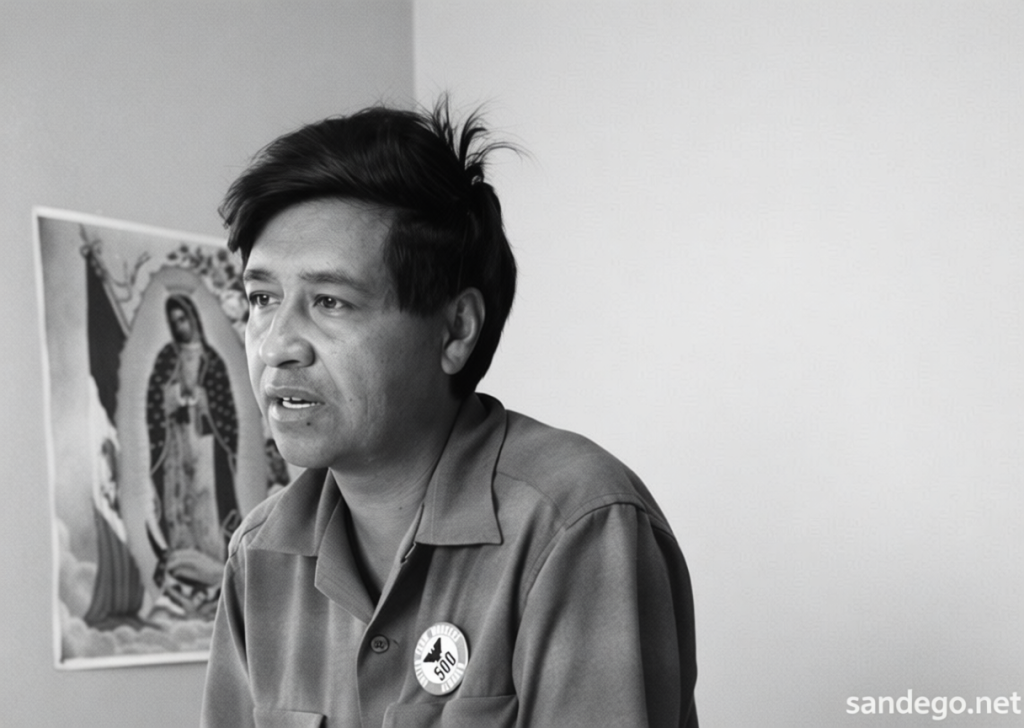
Cesar Chavez Accused of Abusing Girls and Women, Sparking Outrage and a Reevaluation of His Legacy
Decades after his death in 1993, the legacy of Cesar Chavez, a revered labor rights icon, faces scrutiny as allegations of sexual abuse resurface. The accusations, spanning the 1960s and 1970s, claim he sexually assaulted girls and women during his leadership in the fight for farmworkers’ rights. These claims have ignited debates about the personal conduct of a figure celebrated as a civil rights hero.
Survivors Share Accounts of Harassment
Dolores Huerta, a co-founder of the United Farm Workers, detailed her experiences in a statement. She recounted two incidents: one where she was manipulated into intimacy and another where she was raped. “I felt trapped in an environment where I couldn’t resist him, despite admiring his work and trusting him as my leader,” she said. Huerta’s allegations, shared with The New York Times, are part of a broader investigation citing accounts from three women, including two who were underage at the time of the abuse.
“The first time I was manipulated and pressured into having sex with him, and I didn’t feel I could say no because he was someone that I admired, my boss and the leader of the movement I had already devoted years of my life to,” Huerta stated. “The second time I was forced, against my will, and in an environment where I felt trapped.”
The New York Times report, based on interviews with over 60 individuals, including family members, union officials, and former UFW board members, also included confidential emails, photographs, and audio recordings. The findings challenge the image of Chavez as an unblemished advocate for equality, revealing personal conduct that has sparked fresh questions about his moral standing.
Chavez Family Condemns the Claims
Initially, the Chavez family expressed shock at the allegations, describing them as “sexual impropriety with women and minors nearly 50 years ago.” Their statement later emphasized the emotional toll, calling the revelations “deeply painful” and reaffirming their support for the survivors. “We wish peace and healing to the survivors and commend their courage to come forward,” the family said, highlighting their dedication to justice and equity.
The Cesar Chavez Foundation echoed the family’s sentiment, labeling the accusations “shocking” and “incredibly disappointing.” While acknowledging the impact on their perception of the man, the foundation stressed its ongoing commitment to social justice and community empowerment. “These revelations change how we remember Cesar Chavez as a person, but they do not alter our mission,” it declared.
Eliseo Medina Reflects on Leadership Discrepancy
Eliseo Medina, a former UFW board member and key organizer of labor strikes, shared his reaction to the allegations. “It’s a real shock,” he told NBC News, expressing sadness over the suffering endured by the women and their families. Medina, who once believed he would succeed Chavez as a union leader, questioned how the man he admired could separate his values from his actions. “The man I thought he was, was someone else,” he remarked, noting his lack of prior knowledge about the specific cases but familiarity with the families involved.
As the movement moves forward, the focus remains on balancing Chavez’s historical contributions with the new light shed on his personal conduct. His name, once synonymous with labor and civil rights advocacy, now carries the weight of a complex legacy under examination.
