Tricorn Hats or Trump Rally? Americans Have July Fourth Options
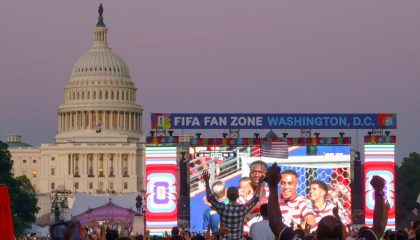
Tricorn hats or Trump rally Americans – On July 4, 2026, the United States will mark a significant milestone: the 250th anniversary of the Declaration of Independence. This semiquincentennial celebration offers a rare opportunity to reflect on the document that laid the foundation for Western democracy. Yet, the festivities have taken an unexpected turn under the leadership of President Donald Trump, who has transformed the National Mall into a stage for his political ambitions rather than a shared moment of national pride.
The Declaration of Independence: A Fractured Legacy
While the Declaration of Independence is traditionally seen as a unifying symbol, its interpretation has become a flashpoint for ideological divides. Written in 1776 as a list of grievances against British rule, it espoused principles of liberty and equality that remain central to American identity. However, Trump’s approach to commemorating this milestone has sparked debates about whether the event will celebrate these ideals or serve as a platform for his agenda. His social media posts, for instance, frame the July Fourth celebrations as “the most spectacular TRUMP RALLY of them all, a ‘TRIBUTE TO AMERICA.'” This rebranding of the nation’s birthday has drawn criticism from those who argue it prioritizes political spectacle over historical reflection.
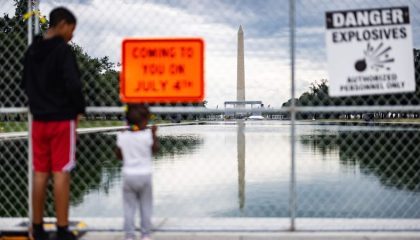
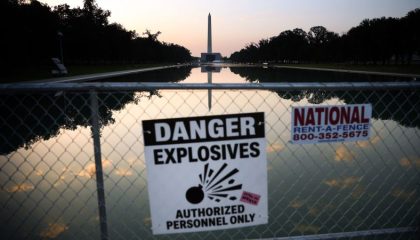
“THE LARGEST FIREWORKS SHOW IN HISTORY” — a claim Trump proudly posted on his platform — has become a focal point of his efforts to reshape the anniversary. Instead of traditional performances, the event will feature military bands loyal to his administration and his personal playlist, which includes his favorite song, “YMCA” by the Village People. The choice of music, critics note, underscores a shift from the Declaration’s solemn tone to a more vibrant, populist celebration.
A Divided Nation on Display
Despite the shared historical significance of July Fourth, the 250th anniversary has revealed deep fractures in American society. While the event was intended to be a unifying moment, Trump’s involvement has turned it into a battleground for competing visions of the country’s future. The president’s approval rating, currently in the 30s, suggests that even some of his supporters may feel disillusioned by his policies. Yet, the rally on the National Mall aims to reframe the conversation, focusing on patriotism and national unity rather than partisan critique.
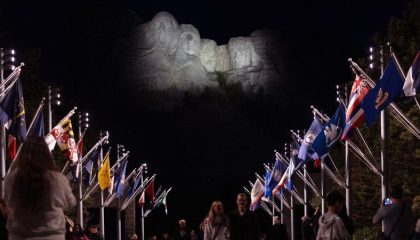
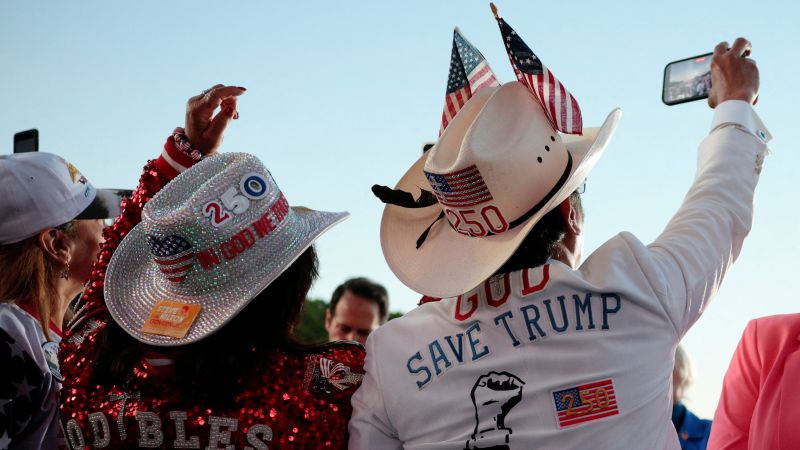
The controversies surrounding the celebrations extend beyond the fireworks. Freedom 250, the Trump-aligned organization overseeing the festivities, has faced logistical challenges and public scrutiny. Reports indicate spotty attendance at events, with some locations struggling to draw crowds. Additionally, the group has been criticized for hosting events that include a Confederate flag, a symbol often associated with the nation’s history of slavery and racial segregation. While not all 50 states are participating, the lack of widespread involvement has raised questions about the inclusivity of the celebrations.
Historical Precedents and Modern Shifts
To understand the current debate, it’s useful to compare the 2026 festivities to the bicentennial celebrations of 1976. That year, a million people gathered on or near the National Mall for a grand fireworks display, according to historical accounts. The event was marked by a sense of collective optimism, as the nation recovered from the Watergate scandal and the Vietnam War. In contrast, the 2026 celebrations face a different backdrop: a divided electorate, ongoing political polarization, and a focus on personal branding over national narrative.
President Gerald Ford, who presided over the 1976 bicentennial, did not host a rally but instead organized a series of events along the Northeast corridor. One of these included a speech at Independence Hall in Philadelphia, where another million people reportedly gathered. Ford’s approach emphasized historical continuity, while Trump’s version leans into modern populism. The difference in strategy highlights how the political landscape has evolved, with the National Mall now serving as a canvas for competing ideologies rather than a neutral space for celebration.
The Cost of Rebranding
Freedom 250’s efforts to create a “Tribute to America” have also sparked questions about the financial commitment required. The group has set its sights on breaking the Guinness World Records for the largest fireworks display, but details about the budget remain unclear. Some observers suggest that the event’s scale may come at the expense of traditional patriotic elements, such as the inclusion of a public speaker or a more diverse lineup of performers. Meanwhile, the National Mall’s transformation into a political stage has raised concerns about the commercialization of the nation’s heritage.
The Trump administration’s approach to the anniversary also reflects broader changes in how public events are organized. Ten years ago, Congress established a bipartisan group called America 250 to coordinate celebrations nationwide. This organization, which still operates, has a list of committees planning events across the country, including what they term “America’s Block Party.” However, Trump has opted to create a separate entity, Freedom 250, which is more closely aligned with his political goals. This shift has led to accusations that the celebrations are now dominated by a single party’s interests rather than a shared national vision.
From Historical Reflection to Political Theater
While the Declaration of Independence was originally a call for independence from British rule, its legacy has been reinterpreted in modern times. In 2026, the document’s language is being examined through a new lens, with Supreme Court justices recently debating its relevance to contemporary issues. One such debate centered on whether the U.S. Constitution guarantees citizenship to all people born in the country — a question that, according to the majority, it does. Yet, this discussion has been overshadowed by the political theatrics of the National Mall events.
Trump’s takeover of DC’s celebrations has drawn attention to the tension between historical tradition and political reinvention. The president’s emphasis on the National Mall as a venue for his rallies has led to a reinterpretation of the space’s role in American culture. Events like the planned IndyCar race through Washington in August are part of this rebranding, blending patriotic imagery with modern entertainment. Critics argue that such events risk diluting the significance of the Declaration’s ideals, which were once the cornerstone of a shared national identity.
A Nation at a Crossroads
As the 250th anniversary approaches, the question remains: Will the celebrations foster unity, or will they deepen divisions? The contrast between the 1976 bicentennial and the 2026 semiquincentennial underscores this tension. While the 1976 event was characterized by a sense of collective progress, the 2026 festivities are seen as a reflection of the current political climate, where national identity is often contested. The inclusion of military bands and the absence of traditional music acts suggest a deliberate effort to align the event with Trump’s vision of American greatness.
Meanwhile, PBS, the public broadcaster that has historically aired the National Mall fireworks, will not be covering the event this year. This decision follows a funding cut by Trump and Republicans last year, which has left the network with fewer resources to promote the celebrations. The absence of PBS from the coverage may further amplify the perception that the anniversary is being used as a tool for political messaging rather than a shared celebration of the nation’s founding ideals. As the day draws near, the debate over the role of July Fourth in American society continues to unfold, with the National Mall at the center of it all.