US Officials Tried to Alert Iran About Possible Israeli Attacks on Negotiation Representatives
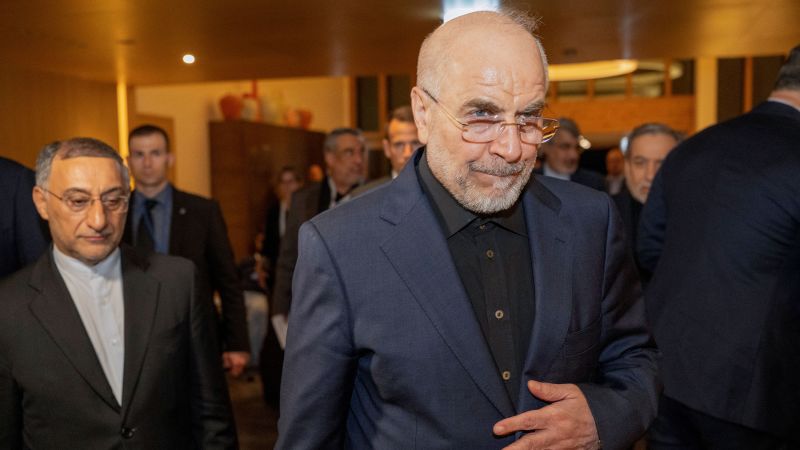
US officials attempted to warn Iran – Two U.S. officials revealed that efforts were made to inform Iran of concerns regarding Israel’s potential to assassinate key mediators during spring diplomatic discussions. The alerts came amid fears that the Israeli government might target high-profile Iranian figures involved in ongoing negotiations with the United States. These concerns were specifically focused on Mohammad Bagher Ghalibaf, the Iranian parliamentary speaker spearheading the talks, and Abbas Araghchi, the foreign minister who has publicly represented Iran in the discussions. The warnings were relayed through third-party intermediaries, according to the officials, who emphasized the urgency of the threat.
The New York Times was the first to report on these intelligence-sharing efforts, highlighting the growing tensions between the U.S. and Israel. While no immediate evidence surfaced on Friday indicating that U.S. intelligence had identified a concrete plan for an assassination, the warnings underscored the Israeli government’s willingness to escalate hostilities against Iranian leadership. Israeli defense officials have consistently expressed their desire to eliminate senior Iranian figures, a stance that has complicated negotiations with the U.S. President Donald Trump, who previously stated that the strategy of targeting Iranian leaders was hindering progress in talks.
“You know, it’s a little tough,” Trump remarked in March, when he chose not to disclose the identities of Iran’s negotiators to reporters. His reasoning was that he wanted to protect them from potential attacks. The remarks reflected his frustration with Israel’s aggressive tactics, which had previously led to the deaths of numerous Iranian political and religious leaders. During the early stages of the war, Israel’s military operations targeted Iran’s supreme leader and its national security chief, Ali Larijani, a move that significantly impacted the country’s diplomatic posture. However, as the campaign failed to overthrow the Iranian government, the Trump administration shifted focus toward dialogue, according to a U.S. official.
“You know, it’s a little tough,” he said. “They’ve wiped out everybody.”
The Israeli Prime Minister’s Office quickly responded to the initial New York Times report, labeling it as “fake news” and calling it a “complete fabrication of reality.” The office’s statement on X suggested that the warnings were part of an ongoing narrative to discredit Israel’s actions. Meanwhile, a spokeswoman for the Israeli embassy in Washington declined to provide further comments, leaving the situation open to interpretation. CNN has since sought clarification from the White House, highlighting the importance of understanding the dynamics between the U.S. and its Israeli allies in the context of the war.
Despite the ceasefire agreement signed earlier this year, which calls for a 60-day pause in hostilities, the agreement remains fragile. The pact outlines a temporary halt to conflict but leaves critical issues, such as the management of Iran’s nuclear stockpile, for future discussions. Even with the ceasefire in effect, recent incidents have shown that the hostilities are far from over. Iran has launched attacks on ships passing through the Strait of Hormuz, prompting the U.S. to respond with airstrikes on Iranian military targets. These actions continue to strain the fragile balance between diplomacy and military action.
Trump and Israeli Prime Minister Benjamin Netanyahu have had notable disagreements over the direction of the war with Iran. Netanyahu, who has been vocal about the need to dismantle the Iranian regime, has expressed frustration with the slow pace of negotiations. Trump, in contrast, has argued that Netanyahu’s aggressive approach risks destabilizing the progress made in talks. A particularly tense exchange occurred in June, when Trump used strong language to criticize a planned Israeli military operation in Lebanon. According to individuals familiar with the conversation, the president’s expletives conveyed his disapproval of the mission, which he believed could derail the delicate negotiations.
Additionally, Trump’s administration has been closely monitoring Israel’s intelligence network, which has intensified its surveillance of both Iranian and U.S. officials in recent months. This increased scrutiny reflects the administration’s desire to stay ahead of potential threats to the negotiation process. The spying activities have also highlighted the strategic importance of Iran’s mediators, whose safety is critical to maintaining dialogue. If either Ghalibaf or Araghchi were to be eliminated, it could severely disrupt the talks, which are already on uncertain footing.
The warnings to Iran were not the first instance of heightened anxiety between the U.S. and Israel. In fact, the Israeli government’s focus on eliminating Iranian leaders has been a recurring theme throughout the conflict. While the U.S. initially supported these actions, the administration has since adopted a more cautious stance, prioritizing diplomacy over assassination. This shift has led to occasional friction with Netanyahu, who remains steadfast in his belief that military pressure is necessary to achieve lasting peace.
Analysts note that the assassination threats are part of a broader strategy to create pressure on Iran during critical moments in negotiations. The U.S. officials who relayed the warnings to Iran are believed to have been acting on intelligence suggesting that Israel is preparing to strike key Iranian figures. However, the absence of concrete evidence has left some questions about the validity of the warnings. The situation remains fluid, with both sides navigating the delicate interplay between diplomacy and military preparedness.
As the war continues, the fate of the ceasefire agreement and the future of negotiations hang in the balance. The recent incidents of Iran’s attacks on shipping lanes and the U.S. retaliations demonstrate that the conflict is not yet resolved. Meanwhile, the concerns about Israeli strikes on mediators highlight the internal challenges within the U.S. administration as it tries to reconcile its support for Israel with its efforts to broker peace. The New York Times’ report has sparked a debate about the role of intelligence in shaping diplomatic outcomes and the potential consequences of military action during critical negotiations.
In conclusion, the warnings to Iran reveal the high stakes of the current diplomatic efforts. While the U.S. seeks to maintain talks, the threat of Israeli strikes looms large, forcing officials to weigh the risks of continued conflict against the possibility of a lasting agreement. The situation underscores the complex relationship between the U.S. and its Israeli allies, as well as the challenges of negotiating peace in a volatile geopolitical landscape.