Medicare Weight-Loss Drug Coverage Begins July 1
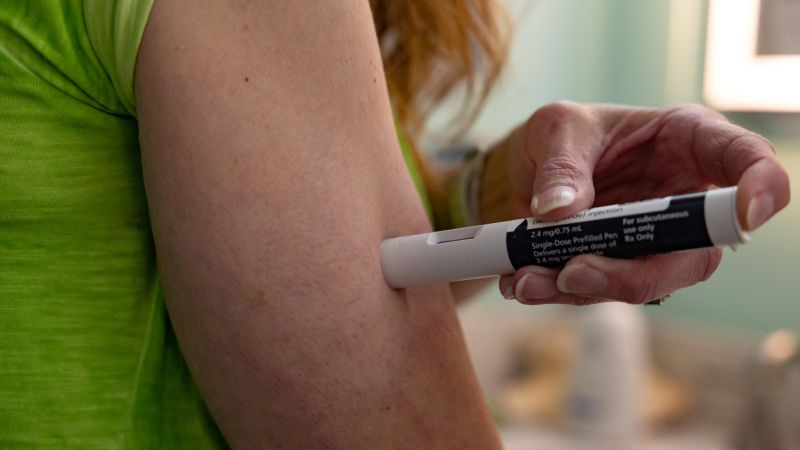
Sandego.net – Starting July 1, Medicare will begin covering weight-loss medications for the first time, marking a significant shift in the program’s approach to chronic disease management. This new initiative, part of the Medicare GLP-1 Bridge program, expands access to drugs like tirzepatide and semaglutide, which have shown promise in treating obesity. The decision follows years of pressure from healthcare providers and advocacy groups urging the Centers for Medicare & Medicaid Services (CMS) to recognize obesity as a medical condition requiring intervention. For millions of beneficiaries, the change could ease financial strain and improve long-term health outcomes by allowing prescription use of these medications without steep out-of-pocket costs.
How the Coverage Will Impact Patients
The Medicare GLP-1 Bridge program is designed to provide temporary coverage for weight-loss drugs, with eligibility based on specific medical criteria. Patients with a body mass index (BMI) of 35 or higher automatically qualify, while those with a BMI between 30 and 35 must have at least one comorbid condition, such as prediabetes or high blood pressure. This targeted approach ensures that individuals with the greatest health risks benefit first, as the drugs can reduce complications like heart disease and type 2 diabetes. Advocates argue that the program’s affordability—reducing monthly costs to as low as $50—could make a critical difference for older adults and low-income beneficiaries.
“This is a major step forward for Medicare beneficiaries who have struggled to afford weight-loss treatments,” said Dr. Catherine Varney, an obesity medicine specialist. “It gives them the tools to manage their health without sacrificing their budgets.”
For patients like Mary Abrahamson, a 71-year-old woman from Washington, the coverage offers tangible relief. She and her husband, Jeff, 77, have used GLP-1 medications for over a year, cutting their monthly costs from $400 to $200. “I feel 10 years younger since starting this treatment,” Abrahamson noted. The program’s lower prices could allow her to afford a riding lawn mower or upgrade her home, making daily tasks easier while addressing her weight-related health challenges.
Eligibility Criteria and Program Details
To qualify for the Bridge program, Medicare beneficiaries must be enrolled in a Part D drug plan and meet certain medical requirements. These include a BMI of 35 or higher, or a BMI between 30 and 35 with at least one high-risk condition such as prediabetes, heart disease, or chronic kidney disease. The program is a pilot, meaning it’s not permanent, but CMS plans to evaluate its success before considering long-term changes. This approach allows for flexibility and data collection, ensuring that the coverage model aligns with patient needs and cost-effectiveness.
Patients with a BMI between 27 and 30 may also qualify if they have a history of heart attacks, strokes, or other vascular issues. The program’s design reflects a growing recognition of obesity as a complex, multi-faceted condition that demands more than just lifestyle changes. By covering weight-loss drugs, Medicare aims to address both the physical and emotional toll of managing weight, particularly for those with limited financial resources. The inclusion of GLP-1 medications, known for their effectiveness in reducing appetite and improving metabolic health, underscores the program’s focus on medical solutions.
“Weight loss isn’t just about aesthetics—it’s about preventing life-threatening complications,” said Patty Nece, a former chair of the Obesity Action Coalition. “Medicare’s new coverage helps patients take control of their health without financial barriers.”
While the pilot program is a step forward, experts caution that long-term coverage will depend on ongoing data and public health outcomes. Dr. Varney emphasized that the drugs can significantly lower the risk of cardiovascular events, especially in older adults. “The real impact will be seen over time as more patients access these treatments,” she said. The Medicare GLP-1 Bridge program represents a transformative moment for millions, offering a pathway to better health through accessible medication and targeted support.