A Plane Crash in Beijing: A Silent Erasure of Chaos
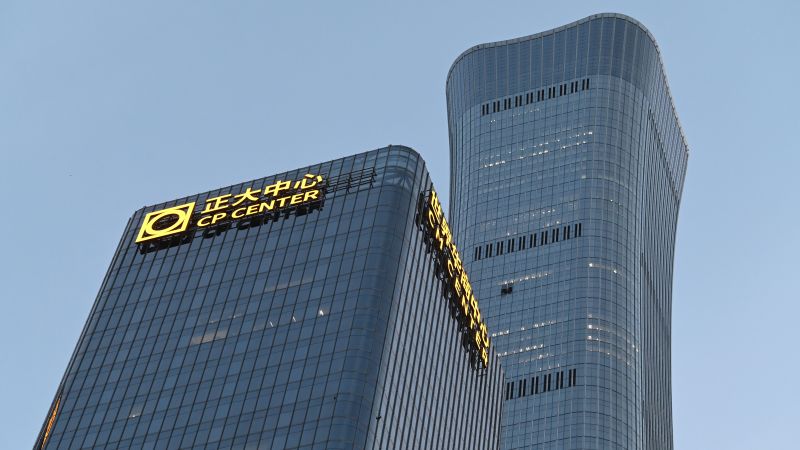
Sandego.net – On Friday afternoon, a small aircraft seemingly bypassed some of the world’s most stringent aviation protocols before crashing into Beijing’s most iconic skyscraper—the CITIC Tower, a 109-story structure that looms over the city’s skyline. The impact killed the pilot and left 13 others injured, sending shards of glass and fragments of the plane spiraling hundreds of feet to the streets below as office workers prepared to leave for the weekend. The collision sparked immediate alarm, yet within hours, the incident had been erased from public view.
The Immediate Response and Information Control
The crash occurred during rush hour, a time when Beijing’s roads are typically most congested. Footage of the event, captured and shared online before the censors intervened, showed the plane striking the upper portion of the CITIC Tower, also known as China Zun. Debris, including part of the aircraft’s tail, rained down onto the bustling streets below. However, the government’s swift response ensured the incident faded from memory within hours. State media, including CCTV, based just across the street from the crash site, made no mention of the event. This quiet suppression was attributed to China’s network of censors and the Communist Party’s strict control over information, especially in cases where negative attention might threaten stability.
“I was just two stops away… and I saw this post… but it gets deleted soon. So I just came here.”
Anna, a Beijing resident who asked for her first name to remain anonymous, recounted witnessing the crash firsthand. She had seen the initial reports online before they were scrubbed from platforms like Weibo. “It was like a movie scene,” she said, describing the suddenness of the event and the chaos it created. Meanwhile, the footage had already gone viral abroad, with global audiences sharing clips of the plane’s impact. Inside China, searches for “plane crash in Beijing” yielded no results, highlighting the extent of the information blackout.
The Tower and Its Strategic Importance
The CITIC Tower, a 528-meter structure, has stood as Beijing’s tallest building since 2018. It serves as a hub for the state-owned CITIC Group and the tech giant Alibaba, symbolizing the city’s economic and political power. The surrounding neighborhood is a prime location, housing embassies from countries such as the UK and Vietnam, as well as offices for global financial institutions like the World Bank and the International Finance Corporation (IFC). This proximity to diplomatic and economic centers made the crash particularly significant, raising questions about its implications for both local and international stakeholders.
The incident occurred in the late afternoon, a time when air traffic in Beijing is at its peak. Unverified flight data from Flightradar24, posted online before the censorship took effect, suggested the aircraft’s path had deviated dramatically after takeoff from Shifosi Airport. This deviation was notable, as flying light aircraft in the capital requires approval from two key authorities: the Civil Aviation Administration of China and the People’s Liberation Army Air Force. The crash highlighted a potential oversight in this dual approval process, though officials have yet to confirm whether the event was an accident or deliberate.
The Investigation and Lingering Questions
By Saturday afternoon, local media reported that a “single-engine double-seat light sports aircraft” had collided with a high-rise building while in flight. The pilot, the sole occupant, was confirmed dead, and 13 people on the ground were injured. The government cited an ongoing investigation, leaving many unanswered questions about the cause of the crash. Among the most pressing concerns was how the pilot managed to navigate over Beijing’s heavily restricted airspace, where even drones are banned for casual use.
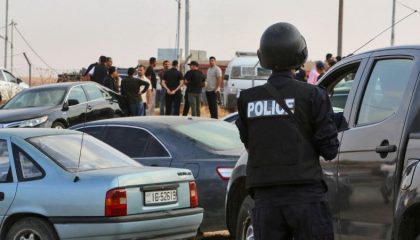
Authorities have long maintained tight control over information, particularly in situations that could challenge their narrative. In the wake of the crash, roads near the CITIC Tower were closed, and police patrolled the area with a heavy presence. Only individuals with proof of work in the vicinity were permitted entry, while delivery drivers and other workers were left stranded outside, waiting for employees to collect their packages. This scene underscored the government’s prioritization of maintaining order over transparency.
The Role of Censorship in Shaping Public Perception
China’s system of information control is designed to swiftly neutralize any event that could gain traction on social media. After the crash, censors worked rapidly to remove all references to the incident, including the plane’s registration code. The code, visible in the footage, pointed to a domestically manufactured Sunward SA 60L Aurora, owned by a local general aviation company that offers pilot training, recreational flights, and aerial photography services. The quick deletion of this data raised eyebrows, as it suggested a coordinated effort to obscure the crash’s details.
The incident also exposed the limitations of Beijing’s aviation regulations. Last month, the city implemented sweeping rules to ban casual recreational flying and consumer drones, aiming to reduce risks to infrastructure and public safety. Yet, the crash into the CITIC Tower appeared to have occurred despite these measures, prompting speculation about gaps in enforcement or deliberate maneuvering. The collision’s timing—during a period of heightened security and restricted airspace—added to the mystery, as it seemed to defy the city’s established protocols.
As the investigation continues, the event has become a case study in the power of censorship. The government’s ability to erase the crash from public discourse within hours demonstrates its capacity to control narratives, even in the face of dramatic and potentially alarming events. While the official story remains unchallenged, the incident has sparked debates about the balance between security and transparency, as well as the role of technology in both surveillance and resistance. For now, the CITIC Tower stands undisturbed, its glass facade reflecting the city’s resilience in the face of chaos.
Experts note that such rapid information suppression is a hallmark of China’s approach to managing crises. By silencing the incident on social media, authorities can prevent public unrest and maintain the perception of control. However, the crash’s visibility outside mainland China has raised concerns about the effectiveness of this strategy. In a world increasingly connected by digital networks, the government’s efforts to contain the narrative have only amplified its reach. The CITIC Tower, once a symbol of modernity and progress, now serves as a backdrop to a story of information control and unspoken questions.
The event also prompted reflection on Beijing’s role as a fortress of political power. The CITIC Tower’s location near the Communist Party elite’s residences means that any incident in its vicinity is closely watched. The crash, therefore, was not just a physical collision but a test of the city’s ability to manage perception. As the investigation unfolds, the answer may reveal more about the challenges of maintaining control in an era of rapid technological change and global scrutiny.