
Ohio State vs Purdue: Intense Rivalry in College Football
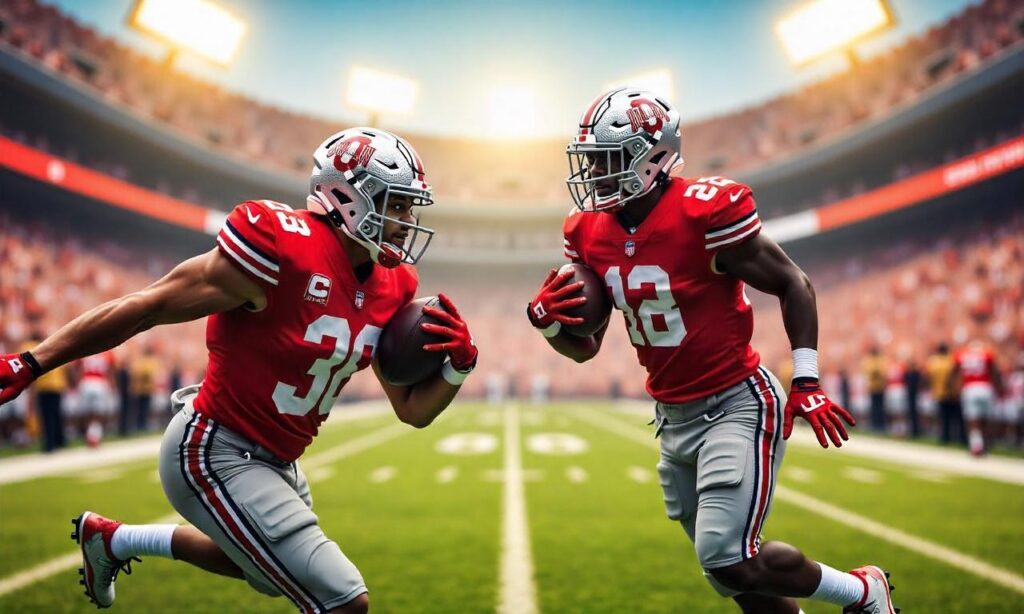
College football rivalries are the heartbeat of the sport, weaving together history, tradition, and passion. Among the most iconic battles, the Ohio State vs Purdue showdown stands as a defining clash in Big Ten history, while the Georgia vs MS State rivalry in the SEC and the BYU vs Texas Tech matchup in the Mountain West add to the grand tapestry of college football. These series not only capture the essence of competition but also reflect the cultural and geographical significance of the teams involved. This article delves into the rich narratives, key moments, and current dynamics of these three rivalries, offering insights into why they remain so compelling for fans and analysts alike. Whether it’s the historic matchups of Ohio State and Purdue, the high-stakes SEC showdowns between Georgia and Mississippi State, or the intense battles of BYU and Texas Tech, each series brings its own flavor of drama and tradition to the gridiron.
Ohio State vs Purdue: A Legacy of Intensity
The Ohio State vs Purdue rivalry is more than just a game—it’s a cultural phenomenon rooted in history and geography. This series has captivated fans for decades, especially in the Midwest, where the two schools are geographically close but historically at odds. The rivalry dates back to 1897, when Ohio State and Purdue first faced off, but it gained true significance in the early 20th century when both teams became prominent in the NCAA. The rivalry is particularly notable for its dramatic swings in momentum and the emotional stakes involved for fans.
Historical Context and Evolution (1)
The Ohio State vs Purdue rivalry began in 1897, with the first game ending in a 16–0 victory for Purdue. However, the series didn’t truly take off until the 1920s, when both teams became regulars in the Big Ten Conference. The rivalry was often described as a “Midwest feud” because of the two schools’ proximity and competitive nature. Over the years, the series has seen shifts in dominance, with Ohio State claiming the upper hand in the late 20th century. For example, in the 1960s and 1970s, Ohio State’s legendary coach Woody Hayes nearly turned Purdue into a permanent underdog, winning 12 of the first 13 games between the two teams.
Key Matches That Defined the Rivalry (2)
One of the most iconic moments in the Ohio State vs Purdue series occurred in 1954, when Ohio State defeated Purdue 38–0 in a game that showcased the power of the Buckeye offense. Another pivotal match was the 1999 game, where Ohio State rallied from a 14–0 deficit to win 35–31, a thrilling comeback that remains a fan favorite. Purdue, on the other hand, has had its moments, such as the 2007 game where they pulled off a 24–17 upset, reigniting hope for the Boilermakers’ resurgence. These games highlight the ebb and flow of the rivalry, with each side producing moments that define their legacy.
Current Dynamics and Future Prospects (3)
In recent years, the Ohio State vs Purdue series has remained competitive, though Ohio State has maintained a slight edge. The Buckeyes’ dominance in the Big Ten has often overshadowed Purdue’s struggles, but the Boilermakers have shown resilience in their home games. For instance, Purdue’s 2021 win over Ohio State in Columbus marked a significant shift in momentum. However, the 2023 matchup in Indianapolis ended with a decisive Ohio State victory, reinforcing the Buckeyes’ strength. As both teams continue to evolve, the rivalry promises to remain a cornerstone of college football, with each game offering new stories and challenges.
The Significance of Home Field Advantage
Home field advantage plays a critical role in the Ohio State vs Purdue rivalry. Ohio State’s home games at Ohio Stadium, known for its electric atmosphere, have historically been a breeding ground for dramatic victories. Conversely, Purdue’s Mackey Arena has seen its share of memorable underdog stories. This dynamic is not just about geography but also about the psychological impact of playing in front of loyal fans. For example, the 1999 game in Columbus is often cited as a testament to the intensity of home games.
Notable Coaches and Players
The rivalry has been shaped by legendary coaches and standout players. Woody Hayes, with his aggressive style, dominated the series for much of the 1960s and 1970s. More recently, Urban Meyer’s high-octane offense in the 2000s pushed the series to new heights. On the other side, Purdue’s legends like Mike Kelly and Mike Riley have left their mark, while Ohio State’s players such as Jim Burt and Mike Nugent have become symbols of excellence. These figures have not only influenced the games but also inspired the passion of fans.
Georgia vs MS State: A SEC Showdown with Regional Pride
The Georgia vs MS State rivalry is a prime example of the fierce competition within the Southeastern Conference (SEC). While both teams are part of the SEC, their geographical proximity and shared history make their matchups especially significant. The rivalry has evolved over the decades, with periods of dominance by one team and dramatic comebacks by the other. This series is a testament to the passionate fan bases in the Deep South, where regional pride often influences the stakes of the game.
Historical Roots and Early Years (1)
The Georgia vs MS State rivalry traces its origins to the early 20th century, with the first game between the two teams in 1916. However, it wasn’t until the 1980s that the series became more intense, as both schools rose to prominence in the SEC. The rivalry gained national attention in the 1990s, particularly during the “Dream Season” of 1992, when Georgia won 12 straight games, including a notable 22–15 victory over Mississippi State. This period solidified Georgia’s reputation as a powerhouse, while MS State remained a consistent contender in the SEC West.
Memorable Moments and Turning Points (2)
One of the most iconic games in the Georgia vs MS State series took place in 1993, when MS State upset Georgia 22–20 in the Iron Bowl. This victory was a defining moment for the Bulldogs, as it marked their first win in the rivalry since 1982. Conversely, Georgia’s 2005 win over MS State in the Iron Bowl, where they clinched a national championship, is still celebrated as one of the most pivotal games in their history. These moments illustrate the unpredictable nature of the rivalry, where underdogs can rise to greatness and established powers can stumble.
Recent Trends and Strategic Shifts (3)
In recent years, the Georgia vs MS State rivalry has seen a shift in momentum, with Georgia maintaining a slight edge. However, MS State has shown improvement, especially under coach Chris Stewart, who has revitalized the program. For example, in 2021, MS State nearly pulled off an upset, losing 24–21 in overtime. This game highlighted the growing competitiveness of the series. The rivalry also reflects broader trends in the SEC, where both teams have been fighting for top-tier status.
The Role of the Iron Bowl in College Football
The Georgia vs MS State series is commonly referred to as the “Iron Bowl,” a term that encapsulates the intensity and historical weight of the matchup. This name is not just symbolic; it represents the deep-seated rivalry between the two schools. The Iron Bowl has often served as a bellwether for the SEC’s top teams, with the outcomes of these games influencing national rankings and playoff considerations.
Impact of Conference Realignment on the Rivalry
Conference realignment in the 2020s has brought new dynamics to the Georgia vs MS State rivalry. Both teams are part of the SEC, but the introduction of the SEC Tournament and other realignment-related factors have added layers of complexity. For instance, MS State’s recent success in the SEC West has made them a more formidable opponent, while Georgia’s consistent performance has kept them in the spotlight. This evolution underscores the importance of staying adaptable in a constantly changing college football landscape.
BYU vs Texas Tech: A Mountain West Classic
The BYU vs Texas Tech rivalry is a staple of the Mountain West Conference, with a history that dates back over a century. These two teams have been competing for decades, with their matches often characterized by high intensity and strategic depth. The rivalry is particularly unique due to the religious and cultural backgrounds of both institutions, adding a layer of significance beyond the scoreboard.
Historical Significance and Early Competitions (1)
The BYU vs Texas Tech rivalry began in 1905, when the two schools first met. Over the years, it has become one of the most storied series in college football, especially during the 1960s and 1970s when both teams were major powers in the Southwest Conference (SWC). The rivalry reached its peak in the 1960s, with Texas Tech’s “Fighting Wildcat” era and BYU’s “Cinderella” run under head coach LaVell Edwards. This period saw several dramatic games, including the 1968 matchup where BYU secured a 34–23 win, a key moment in their national championship aspirations.
Memorable Games and Iconic Moments (2)
One of the most unforgettable games in the BYU vs Texas Tech rivalry took place in 1991, when the Cougars defeated the Red Raiders 48–44 in overtime, marking a significant turnaround for BYU. Conversely, Texas Tech’s 1994 victory over BYU in the Red Raiders’ home stadium was a defining moment for their resurgence in the 1990s. These games highlight the ebb and flow of the rivalry, with both teams producing moments of brilliance and resilience. The 1998 game, where BYU won 30–24, further cemented their reputation as a powerhouse, while Texas Tech’s 2007 win in Lubbock demonstrated their ability to compete with the best.
Modern Developments and Competitive Balance (3)
In recent years, the BYU vs Texas Tech rivalry has remained competitive, with both teams adapting to the changing college football landscape. BYU’s recent emphasis on a spread offense has made them a dynamic force, while Texas Tech’s resurgence under coach Matt Wells has brought a new level of excitement to the series. For example, the 2021 game saw Texas Tech pull off a 35–32 win, showcasing their ability to match BYU’s firepower. This series continues to be a highlight of the Mountain West, with both teams vying for dominance.
The Influence of Religious and Cultural Identity
The BYU vs Texas Tech rivalry is unique in that it blends religious and cultural identity with athletic competition. BYU, as a Church of Jesus Christ of Latter-day Saints institution, often emphasizes values like discipline and teamwork, which are reflected in their coaching philosophy. Texas Tech, while not as religiously focused, has a strong tradition of excellence and resilience. This cultural contrast adds depth to the rivalry, as fans often root for their teams based on more than just performance.
Key Players and Coaches Who Shaped the Series

Several legendary players and coaches have left their mark on the BYU vs Texas Tech rivalry. For BYU, figures like Steve Nash and LaVell Edwards are remembered for their contributions to the team’s success. On the Texas Tech side, coaches like Don Haskins and Mike Leach have played pivotal roles in shaping the Red Raiders’ identity. These individuals have not only influenced the games but also inspired the next generation of players.
A Comparative Analysis of the Rivalries
To better understand the Ohio State vs Purdue, Georgia vs MS State, and BYU vs Texas Tech rivalries, it’s useful to compare their key aspects. Below is a table that outlines the historical context, notable moments, and recent performance of each series.
| Rivalry | Start Year | Key Moments | Recent Performance (2022-2023) | |——————-|—————–|————————————————|———————————–| | Ohio State vs Purdue | 1897 | 1954 (38–0 win), 1999 (Columbus comeback) | Ohio State leads with 7 wins | | Georgia vs MS State| 1916 | 1993 (MS State upset), 2005 (Georgia title run)| Georgia holds slight edge | | BYU vs Texas Tech | 1905 | 1968 (BYU’s 34–23 win), 1994 (Tech’s comeback)| 2021 (Tech win), 2023 (Tech edge)|
This table highlights the unique characteristics of each rivalry, from their historical beginnings to their modern-day relevance. The Ohio State vs Purdue series is often seen as a battle for Big Ten supremacy, while the Georgia vs MS State showdown is a symbol of SEC competition. Meanwhile, the BYU vs Texas Tech rivalry reflects the blend of tradition and cultural identity in the Mountain West.
The Impact of Rivalries on College Football Culture
College football rivalries like Ohio State vs Purdue, Georgia vs MS State, and BYU vs Texas Tech play a crucial role in shaping the culture of the sport. These matchups are more than just games; they are events that bring communities together and create lasting memories. For example, the Ohio State vs Purdue series has been a source of regional pride, with fans from both schools often feeling deeply invested in the outcome. Similarly, the Georgia vs MS State rivalry has become a key part of the SEC’s identity, with its intensity reflecting the broader competition within the conference.
The Role of Rivalry in Player Development
Rivalries also have a profound impact on player development. The pressure of facing a long-standing opponent can push athletes to new heights, fostering a competitive spirit that translates to success on the field. For instance, the Ohio State vs Purdue series has produced many standout players who have gone on to achieve national acclaim. The Georgia vs MS State games have similarly challenged players to perform under high-stakes conditions, while the BYU vs Texas Tech matchups have emphasized the importance of mental toughness and strategic execution.
How Rivalries Influence Team Strategy and Preparation
When teams face their rivals, they often tailor their strategies to counter specific strengths and weaknesses. The Ohio State vs Purdue games are known for their fast-paced offenses, with both teams often going all-out to secure a victory. The Georgia vs MS State series, on the other hand, highlights the importance of defensive play, as both teams have strong units that can dictate the flow of the game. The BYU vs Texas Tech rivalry showcases a balance between offensive innovation and defensive resilience, with each team adapting its approach to match the other’s playbook.
The Psychological Aspect of Rivalry Games
Rivalry games carry a psychological weight that can affect both teams and fans. The Ohio State vs Purdue series, for instance, often sees Ohio State’s fans feeling the pressure of history, while Purdue’s supporters experience the thrill of a potential upset. Similarly, the Georgia vs MS State matchups create a sense of regional pride, with fans in the Deep South often viewing these games as a reflection of their state’s football legacy. The BYU vs Texas Tech rivalry adds a layer of cultural significance, where the outcome of a game can influence perceptions of both programs.
The Future of These Rivalries
As college football continues to evolve, the future of the Ohio State vs Purdue, Georgia vs MS State, and BYU vs Texas Tech rivalries remains bright. The Ohio State vs Purdue series is expected to stay competitive, with both teams investing in their programs to maintain relevance in the Big Ten. The Georgia vs MS State rivalry may see further growth as both teams aim to secure top-tier status in the SEC. Meanwhile, the BYU vs Texas Tech series is likely to remain a key part of the Mountain West, with both programs continuing to develop their strengths.
Upcoming Matchups and Potential Turning Points
Upcoming matchups in these series could be pivotal in shaping their futures. For example, the Ohio State vs Purdue games in the 2020s may see a resurgence of Purdue’s competitiveness, challenging Ohio State’s dominance. The Georgia vs MS State series is set to remain a highlight of the SEC, with both teams vying for playoff spots. In the Mountain West, the BYU vs Texas Tech rivalry is expected to continue as a testament to the enduring spirit of competition.
The Role of Analytics and Modern Football Trends
Modern football trends, such as analytics and advanced training techniques, are influencing how these rivalries are played. Teams are now more data-driven, using technology to identify weaknesses and improve strategies. For instance, the Ohio State vs Purdue series has seen Ohio State leverage their offensive firepower, while Purdue has adapted with a more balanced approach. The Georgia vs MS State matchups are increasingly influenced by defensive schemes and special teams performance, and the BYU vs Texas Tech series is embracing new formations to stay ahead.
How Rivalries Reflect Broader Trends in College Football
The Ohio State vs Purdue, Georgia vs MS State, and BYU vs Texas Tech rivalries are not isolated events—they reflect broader trends in college football. For example, the Ohio State vs Purdue series showcases the power of tradition in maintaining fan loyalty, while the Georgia vs MS State rivalry highlights the SEC’s competitive landscape. The BYU vs Texas Tech series, on the other hand, demonstrates the importance of regional identity in football culture. These rivalries are a microcosm of the larger sport, where history, strategy, and passion converge.
Frequently Asked Questions (FAQ)
Q: What is the history of the Ohio State vs Purdue rivalry?
A: The Ohio State vs Purdue rivalry began in 1897 and has evolved into one of the most intense matchups in the Big Ten. Key moments include Ohio State’s dominance in the 1960s and 1970s under Woody Hayes, as well as Purdue’s historic 1999 upset in Columbus.
Q: Which team has the better record in the Georgia vs MS State series?
A: As of 2023, Georgia holds the slight edge in the Georgia vs MS State series, with a record of 7 wins to 5 losses. However, MS State has shown recent improvements, making the series more unpredictable.
Q: How have the BYU vs Texas Tech games been historically significant?
A: The BYU vs Texas Tech rivalry has produced iconic moments, such as BYU’s 1968 upset and Texas Tech’s 1994 comeback. These games have shaped the identity of both programs and are often seen as a classic battle of tradition and innovation.
Q: What are the key factors that make these rivalries so engaging?
A: These rivalries are engaging due to their historical significance, emotional stakes, and the unique cultural backgrounds of the teams involved. Each series offers fans a chance to witness high-intensity games that reflect broader trends in college football.
Q: How do these rivalries impact the teams’ strategies?
A: Rivalry games often lead to strategic adjustments, with teams tailoring their playbooks to exploit weaknesses. For example, the Ohio State vs Purdue series emphasizes fast-paced offenses, while the Georgia vs MS State rivalry highlights the importance of defensive schemes.
Conclusion
The Ohio State vs Purdue, Georgia vs MS State, and BYU vs Texas Tech rivalries each bring a unique flavor to college football. While the Ohio State vs Purdue series is a testament to Big Ten history, the Georgia vs MS State showdown reflects the SEC’s fierce competition, and the BYU vs Texas Tech matchup showcases the blend of tradition and cultural identity. These series not only highlight the skill and strategy of the teams but also the deep-rooted emotions of their fans. As college football continues to evolve, these rivalries will remain central to the sport’s narrative, providing unforgettable moments and shaping the future of American football.
A Summary of the Three Rivalries
This article has explored three of the most intense college football rivalries: the Ohio State vs Purdue showdown, the Georgia vs MS State clash, and the BYU vs Texas Tech series. Each rivalry has its own history, key moments, and evolving dynamics that make them stand out. The Ohio State vs Purdue series, rooted in Big Ten tradition, has seen Ohio State dominate but with Purdue’s recent successes adding new chapters. The Georgia vs MS State rivalry, often called the “Iron Bowl,” reflects the SEC’s competitive spirit, with Georgia maintaining a slight edge. Meanwhile, the BYU vs Texas Tech matchup combines religious and cultural identity with athletic excellence, creating a unique and enduring rivalry. These series not only showcase the skill of the teams but also the passion of their fans, making them essential to the fabric of college football.
