More than 1 billion barrels of oil have gone missing
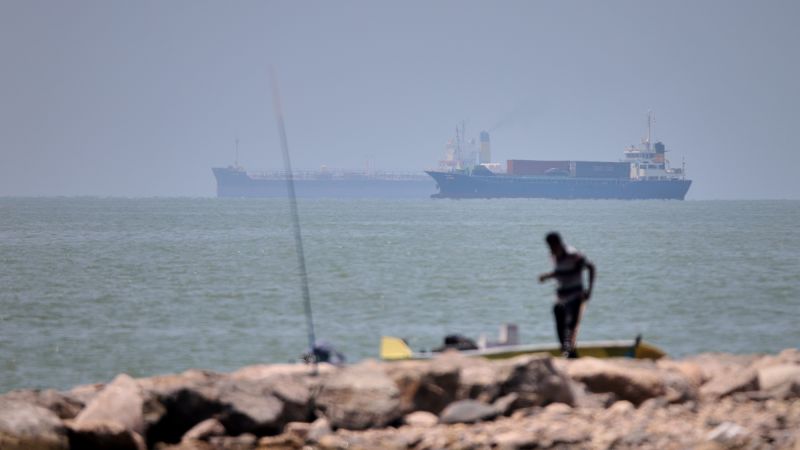
Sandego.net – The Strait of Hormuz, a critical maritime chokepoint, reopened this week following a memorandum of understanding signed between Iran and the United States. While this development is a positive sign for global energy markets, concerns linger about whether it can swiftly reverse a severe supply shortage that has persisted for over three months. According to analytics firm Kpler, the world has lost a staggering 1.15 billion barrels of oil since the conflict began, leaving the market in a delicate and unstable condition.
The Global Supply Crisis
Despite the reopening, the damage to supply chains has already created a significant shortfall. The International Energy Administration (IEA) reports that strategic petroleum reserves are at their lowest levels since 1990, while the U.S. emergency oil stockpile has reached a 43-year low. Commercial storage facilities, meanwhile, are struggling to maintain operational capacity. “You want to see bedlam?” President Donald Trump remarked at the G7 summit in Versailles, warning that reserves could be depleted within weeks. His assessment has gained traction as prices have dropped sharply in recent days, reflecting the market’s cautious optimism.
Oil prices have plummeted as the agreement with Iran took shape, falling from a wartime high of $126.41 per barrel to below $80. This decline is attributed to the historic oversupply that preceded the conflict, which temporarily shielded the world from the largest supply shock in history. However, this surplus has now vanished, and the market is grappling with a worrying deficit. Over the past several months, global oil stockpiles have declined by 190 million barrels, a trend that has heightened fears of a potential crisis.
Logistical Challenges and Operational Limits
One of the most visible signs of this crisis is the strain on Cushing, Oklahoma, a central hub for U.S. oil distribution. The facility, which channels fuel to domestic markets, has hit its operational stress level—a situation akin to a coffee urn with sludge pooling at the bottom, requiring a physical effort to extract the last remnants. This bottleneck has amplified the urgency of restoring normal flow, as much of the stored crude has become unusable gunk, complicating the logistics of transporting oil to customers.
Storage facilities worldwide are similarly nearing their breaking points. The market’s current state suggests that even with the Strait of Hormuz open, the process of replenishing inventories may take months. “It’s not just about the strait reopening,” said Matt Smith of Kpler, emphasizing that the recovery hinges on a series of interdependent factors: de-mining operations, the return of empty tankers, restarting production, and the gradual movement of oil to its final destinations. These steps, while necessary, will not occur instantaneously, and the industry anticipates a prolonged period of adjustment.
Market Fundamentals and Analyst Perspectives
While the agreement has sparked temporary relief, industry experts argue that the market may have underestimated the challenges. “The market has jumped seven steps ahead of where we are now,” noted Helima Croft, head of global commodity strategy at RBC Capital Markets. “Everyone’s assuming this is over, but the logistics of getting oil back into the system are still a major hurdle.” This sentiment echoes Trump’s warning about a potential “economic catastrophe” if the strait had remained closed, a scenario that would have drawn comparisons to Herbert Hoover, the former president linked to the onset of the Great Depression.
Analysts stress that the physical reality of the supply chain remains a key factor. “At some point, physical barrels actually matter,” said Dan Pickering. “If you lose those, it creates a tangible problem that markets can’t ignore.” The IEA predicts that production could rise by nearly 5 million barrels per day to meet demand, but even with this increase, it would take approximately a year to recover the 1.15 billion barrels lost during the conflict. This timeline underscores the fragility of the current situation.
The Road to Recovery
Reopening the strait is only the first step in a complex recovery process. While it allows for the resumption of oil flow, the system still depends heavily on existing reserves to stabilize prices. The depletion of these reserves has created a precarious balance, with the market possibly underpricing the risk of a sudden shortage. “We’re in a situation where the market isn’t accounting for the full consequences of this deficit,” Smith explained. “The optimism about a deal is masking the deeper issues at play.”
As the initial euphoria of the strait’s reopening fades, fundamental market forces are expected to take over. This could lead to a gradual rise in oil prices, particularly as U.S. consumers face higher costs in the summer months. “Regardless of what happens in the coming weeks with the strait, prices will eventually climb,” Smith noted. The interplay between supply chain recovery and market expectations will determine the pace of this adjustment. For now, the oil market remains on a tightrope, balancing the hope of a swift resolution with the reality of a slow, arduous path back to equilibrium.
Analysts also highlight the role of OPEC members, many of whom are facing financial strain. The ability of these nations to ramp up production will be crucial in addressing the deficit, yet their capacity to do so may be constrained by economic pressures. This dynamic has further complicated the outlook, as the market grapples with the dual challenges of replenishing inventories and maintaining stable pricing.
Ultimately, the situation reflects a broader tension between immediate relief and long-term sustainability. While the reopening of the Strait of Hormuz has prevented the worst-case scenario, the recovery of global oil supply remains a slow and uncertain process. The market’s current pricing may not fully capture the risks associated with this prolonged deficit, leaving the door open for future volatility. As the world waits for the flow of oil to normalize, the balance between supply and demand continues to shift, with far-reaching implications for energy markets and global economies.