Delayed Talks Signal Bumpy Next Phase in US-Iran Peace Process
Sandego.net – The recent postponement of US-Iran peace talks has raised questions about the stability of the upcoming stages in diplomatic negotiations. What was expected to be a critical turning point in the relationship between the two nations, featuring high-level meetings between American and Iranian officials, now appears uncertain. This delay, which has been attributed to logistical and strategic disagreements, underscores the complexities that may accompany the next phase of talks. The focus keyword, “Delayed talks show next phase,” encapsulates the current sentiment as both sides prepare to navigate the challenges ahead.
Strategic Shifts and Uncertainty
The delay has been influenced by decisions made during the initial phase of negotiations. US President Donald Trump’s remote signing of the agreement in France, without prior coordination with his team, created confusion. Iranian President Masoud Pezeshkian followed suit, but the lack of in-person commitment has fueled skepticism. This move has highlighted the tension between expediency and formality, as the Trump administration sought to streamline the process while Iran emphasized the need for tangible progress. The next phase of talks will likely reflect these competing priorities, testing the resilience of the current diplomatic framework.
“The delay is a reflection of the delicate balance between speed and certainty,” noted a White House advisor, emphasizing the importance of securing the right conditions before advancing the agreement. The Swiss hosts, who had invested in the event’s logistics, now face the challenge of adapting to this change. While the initial phase laid the groundwork, the next phase will require more than just political will—it will demand alignment on key issues, including nuclear commitments and regional security.
Tehran’s Divergent Priorities
Iran’s leadership has used the delay to reinforce its strategic messaging, with Supreme Leader Ayatollah Mojtaba Khamenei emphasizing adherence to principles over compromise. His comments underscore the internal divisions within Iran, where pragmatists and hardliners debate the best path forward. Meanwhile, the parliament speaker, Mohammad Bagher Ghalibaf, has warned of potential retaliation if the agreement is perceived as incomplete. This resistance highlights the critical role of domestic political dynamics in shaping the next phase of negotiations.
“We have a clear plan for response should the deal falter,” the Supreme National Security Council stated, hinting at Iran’s preparedness for escalation. This stance reflects a broader pattern of strategic patience, where Iran uses diplomatic setbacks to consolidate its position. The next phase of talks will need to address these concerns, ensuring that all parties are committed to the same vision of peace.
Historical tensions, such as the 2025 and 2026 bombings targeting Iranian interests, have shaped the current skepticism. These events have reinforced Iran’s perception of the US as an unreliable partner, complicating the next phase of talks. The delayed talks also signal a shift in strategy, as both sides appear to prioritize pragmatic outcomes over symbolic gestures. This dynamic may lead to a more flexible approach in the next phase, though it could also deepen mistrust if not managed carefully.
Regional Dynamics and Unspoken Agreements
Israel’s continued military operations against Iran-backed groups, such as Hezbollah in Lebanon, have added pressure to the peace process. Despite the agreement’s goal of ending hostilities, Israeli strikes have resulted in casualties, demonstrating the ongoing conflict. This context complicates the next phase of negotiations, as Iran seeks to ensure that the deal addresses not just US commitments but also regional threats.
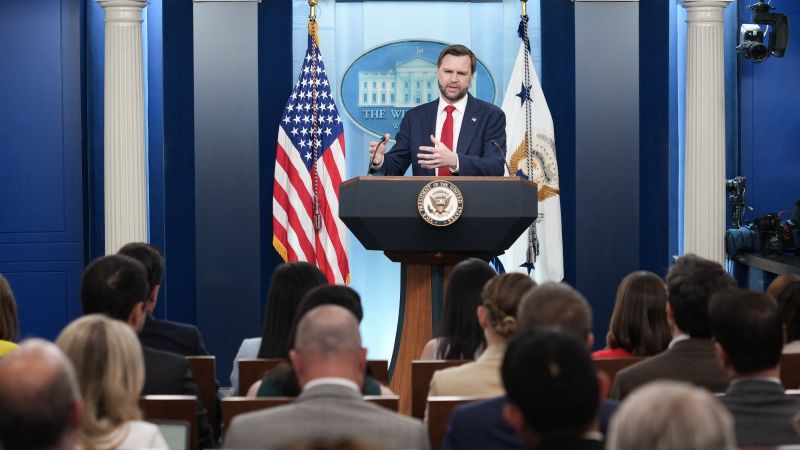
“The next phase of talks must include assurances about regional security,” Vice President JD Vance acknowledged, revealing that the formal agreement was supplemented by secret provisions. These undisclosed terms, which may involve Iran’s nuclear program, suggest that the peace process is more intricate than initially presented. As the US and Iran move forward, these behind-the-scenes deals will play a pivotal role in shaping the outcome.
The delay in talks serves as a reminder that achieving peace between the US and Iran will require more than just political gestures—it will demand sustained dialogue and mutual concessions. With the next phase of negotiations poised to begin, the stakes have never been higher. The focus keyword, “Delayed talks show next phase,” remains central to understanding the evolving landscape of this long-standing conflict. As both sides prepare for the challenges ahead, the path to resolution appears as uncertain as ever.