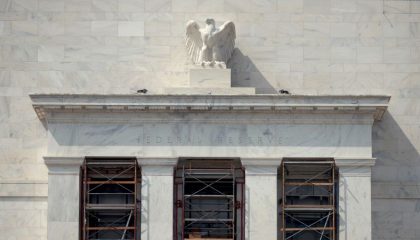
The Fed’s New Era Begins. Here’s What It Means for Your Money
Sandego.net – The Federal Reserve’s recent shift in leadership has sparked discussions about its evolving approach to monetary policy. With Kevin Warsh now at the helm, the central bank faces the ongoing challenge of balancing its traditional dual mandate: stimulating economic growth by lowering interest rates during periods of weak job markets or curbing inflation by raising rates when price pressures climb. Recent data suggests the labor market is strengthening faster than anticipated, yet inflation has reached a three-year peak of 4.2%, nearly double the Fed’s target of 2%. Despite these conflicting signals, the decision to hold off on rate hikes this week reflects a cautious stance, even as some officials remain optimistic about future increases.
Savings Strategies for a Changing Economic Landscape
For individuals seeking to grow their savings in an environment where traditional bank accounts offer minimal returns, several alternatives have emerged as more attractive. As of mid-June, the average yield on bank savings accounts stood at 0.61%, according to Bankrate. This figure, while stable, falls short of keeping pace with inflation. To counter this, financial experts recommend exploring options that provide higher returns while maintaining liquidity and safety.
High-yield savings accounts, particularly those offered by online banks, remain a popular choice for those needing easy access to funds. These accounts, insured by the FDIC, currently boast rates as high as 4%, with some providers pushing beyond that threshold. For example, the top four accounts identified by DepositQuest’s Ken Tumin featured yields ranging from 4.21% to 4.40% as of Monday. However, the largest banks still offer rates between 3% and 3.4%, highlighting a disparity in returns depending on where you choose to deposit your money.
Certificates of deposit (CDs) offer another avenue for securing better returns, though they require locking funds for a specified duration. Directly purchased CDs from banks provide guaranteed growth at fixed rates, with current offers on Schwab.com averaging between 4.0% and 4.40% for terms from three months to three years. Brokers also sell CDs, but these come with risks such as potential principal loss if sold before maturity. Additionally, any interest earned on CDs is subject to federal, state, and local income taxes.
Treasury securities, including bills and notes, present a stable option for investors needing access to cash within a few years. Yields on these instruments, as listed on Schwab.com, range from 3.74% to 4.43% for durations spanning three months to a decade. A key advantage of Treasuries is their exemption from state and local taxes, making them appealing for those seeking tax-efficient growth. Inflation-protected securities like I-Bonds or TIPS further shield purchasing power against rising prices, though they may be better suited for longer-term goals rather than immediate liquidity needs.
Money market funds offer a middle ground between traditional savings accounts and more aggressive investment vehicles. These funds typically yield slightly lower returns than high-yield accounts, with an average 7-day yield of 3.45% as of Tuesday. While they lack FDIC insurance, their investments in short-term debt—such as US Treasuries and corporate bonds—make them relatively low-risk. However, their performance against inflation has been mixed, with some funds falling short in recent years.
Debt Management in a High-Inflation Environment
With the Fed’s rate decisions impacting the cost of borrowing, individuals must take proactive steps to manage their debt. Credit cards, for instance, carry exceptionally high interest rates, averaging 19.56% as of June 10. For those unable to pay off balances in full, refinancing or transferring balances to lower-rate options could be beneficial. However, the broader landscape for debt repayment also depends on the Fed’s future actions, particularly whether it initiates a significant rate-cutting campaign to ease financial burdens.
While the Fed’s current pause on rate hikes may offer temporary relief, the sustained high inflation rate of 4.2% means that debt servicing costs could rise. This is especially relevant for variable-rate loans, such as home equity lines or adjustable-rate mortgages, which may see increased payments as the economy continues to shift. To mitigate these effects, prioritizing debt repayment, consolidating high-interest debts, and negotiating lower rates with creditors are essential strategies.
For those navigating credit card debt, the importance of paying more than the minimum monthly payment cannot be overstated. Even small reductions in balances can lead to substantial savings over time, given the punitive rates. Additionally, leveraging credit card rewards programs or balance transfer offers can help manage expenses temporarily. However, these tactics should be used judiciously to avoid accumulating more debt.
Adapting to the Fed’s New Role in Economic Stability
Kevin Warsh’s leadership marks a pivotal moment for the Federal Reserve, as it navigates a complex economic terrain. The dual mandate—balancing growth and inflation—remains central to its mission, even as the Fed adopts a more nuanced approach. With the job market improving and inflation persisting, the central bank’s decisions will continue to shape the financial landscape for individuals and businesses alike.
While the recent decision to hold rates steady is a temporary reprieve, the outlook for future hikes is still positive. Nine Fed officials have already signaled their readiness to increase rates this year, indicating a gradual shift toward tightening monetary policy. This could have implications for both savers and borrowers, as higher rates would boost returns on deposits but increase the cost of loans. The challenge lies in anticipating these changes and adjusting personal financial strategies accordingly.
For savers, the current environment presents an opportunity to maximize returns through higher-yield accounts and securities. However, the risk of inflation eroding purchasing power remains. Experts like Sue Gardiner of South County Wealth Planning emphasize the importance of liquidity and stability for short-term savings, noting that “high-yield savings accounts, money market funds, and short-term Treasuries are more appropriate for funds needed within the next year or two.” TIPS and I-Bonds, though less liquid, offer protection against inflation and are ideal for long-term goals.
“For savings that may be needed within the next year or two, high-yield savings accounts, money market funds, and short-term Treasuries remain more appropriate because they provide greater liquidity and stability,” said certified financial planner Sue Gardiner of South County Wealth Planning. “TIPS and I-Bonds can be useful for a portion of longer-term savings.”
As the Fed continues to refine its approach, the key takeaway for consumers is the need for proactive financial planning. Whether it’s securing higher returns on savings or reducing the interest paid on debts, adapting to the current economic conditions will be critical. With inflation remaining a persistent challenge, individuals must evaluate their financial needs and choose strategies that align with their goals while safeguarding against the erosion of value over time.
In conclusion, the Federal Reserve’s new era under Kevin Warsh signals a balanced yet evolving strategy to address both economic growth and inflation. While the immediate impact on personal finances may be mixed, the long-term implications of its decisions will shape the opportunities available to savers and borrowers. By staying informed and selecting the right tools, individuals can position themselves to thrive in this dynamic financial environment.