Bloodier than Stalingrad: Number of casualties in Russia’s war on Ukraine reaches 2 million
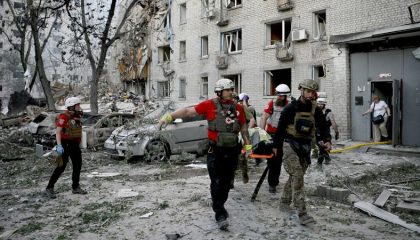
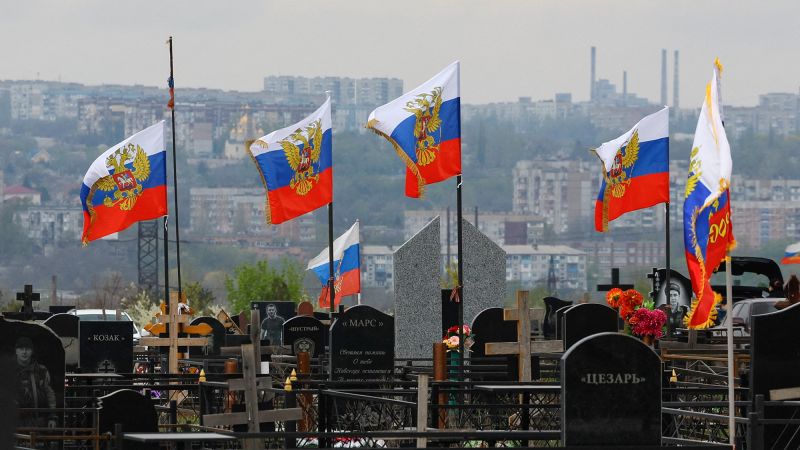
Bloodier than Stalingrad – The full-scale invasion of Ukraine by Russia has led to approximately 450,000 fatalities, according to a recent study that highlights the staggering human toll of the conflict. This figure, combined with additional casualties across both nations, brings the total estimated number of war-related deaths to over 2 million—a grim milestone that surpasses the casualties of the Battle of Stalingrad, historically regarded as the deadliest conflict of the 20th century.
CSIS Study Reveals Alarming Casualty Rates
A new report from the Center for Strategic and International Studies (CSIS) provides a comprehensive breakdown of the war’s impact, estimating that Russia has suffered around 1.4 million casualties. This includes soldiers who have been killed, wounded, or reported missing. The study underscores the severity of the situation, noting that these losses account for roughly 1% of Russia’s population. Such a figure is not only a testament to the war’s intensity but also a reflection of the strain it has placed on the country’s military and societal fabric.
According to the researchers, the casualty distribution within Russia is uneven. Smaller, rural communities and ethnic minority regions have borne a disproportionate share of the losses. Reports from opposition media have increasingly highlighted the devastation in these areas, where entire male populations of remote villages have been wiped out. These stories paint a vivid picture of the war’s localized impact, particularly in regions where Russian forces have been engaged in prolonged and intense combat.
“These rates are astounding,” said Seth G. Jones and Riley McCabe, the authors of the study. “Russian fatalities in Ukraine are more than four times greater than all US fatalities in all wars combined since World War II, and more than nine times greater than all Soviet and Russian fatalities in all wars combined since World War II.”
The study also emphasizes the growing challenge Russia faces in replenishing its ranks. With current casualty numbers, the country is struggling to maintain its military force, as the loss of personnel outpaces recruitment efforts. This trend has raised concerns about the sustainability of Russia’s war effort and its ability to continue operations at the current pace.
In contrast, Ukraine’s casualty figures are significantly lower, with estimates ranging from 525,000 to 625,000. Of these, fatalities are believed to be between 125,000 and 150,000. While both nations have not officially released detailed casualty data, the CSIS report aligns closely with Western assessments, suggesting a consistent narrative across different analytical sources.
Strategic Shifts and Military Challenges
Jones and McCabe noted that the war has become increasingly costly for Russia, with casualty rates shifting dramatically over time. Earlier in the conflict, the ratio of Russian to Ukrainian losses stood at approximately two to one. However, this has since escalated to a near-eight-to-one disparity, a development attributed to Ukraine’s evolving military strategies. One key factor is the advancement of Ukraine’s drone program, which has extended the “kill zone” around the frontlines. This area, now heavily saturated with drones, has made it nearly impossible for Russian troops to maneuver effectively, significantly increasing their risk of being targeted.
“Ukraine’s defense-in-depth strategy has been effective in killing and wounding Russian soldiers, as well as limiting Russian maneuver,” the researchers stated. This strategy has not only reduced the effectiveness of Russian attacks but also forced them to bear a heavier burden in terms of casualties. Additionally, the report points to other underlying issues, such as Russia’s attrition-focused approach, its struggle to integrate combined arms and joint warfare, and the impact of poor tactics, training, and morale on its military performance.
The data from the CSIS study suggests that the war in Ukraine has surpassed the Battle of Stalingrad in terms of casualties, a historic event that claimed over 2 million lives during World War II. This comparison highlights the unprecedented scale of the conflict, which has not only tested Russia’s military capabilities but also its social and economic resilience. The human cost of the war continues to mount, with each passing day bringing new reports of losses and setbacks.
As the war drags on, the implications for Russia’s future operations remain uncertain. The inability to replace troops at the same rate as they are lost could lead to a further deterioration in combat effectiveness. Meanwhile, Ukraine’s growing mastery of drone technology and strategic defense has shifted the balance of power, making the conflict more costly for the aggressor. The study’s findings serve as a stark reminder of the devastation wrought by the war and the challenges facing both sides in the ongoing struggle for dominance.