Visualizing the Buckling at an NYC High-Rise: Stabilization Underway
Sandego.net – Visualizing the buckling at an NYC high-rise has become a central focus for engineers and construction teams as they work to secure the towering structure in Midtown Manhattan. As of Wednesday, temporary solutions designed to stabilize the building appear to be holding firm following a tense period that began on Tuesday. During this critical window, the under-construction edifice experienced significant structural issues that prompted immediate action. Several critical columns within the framework buckled, causing concern among observers, residents, and industry professionals alike. The situation has prompted a thorough review of the ongoing work, ensuring that safety remains the top priority for all personnel involved in the ambitious renovation project.
Understanding the Structural Crisis
The incident unfolded rapidly on Tuesday as construction workers noticed the building beginning to sway noticeably. This movement signaled a potential problem with the structural integrity of the site, requiring swift response from the project team. In response, safety protocols were immediately activated across the construction zone. Workers were guided to exit the premises in an orderly fashion, avoiding any panic or injury during the evacuation process. The coordinated effort demonstrated the effectiveness of the site’s emergency procedures and the preparedness of the workforce.
Furthermore, the precautionary measures extended beyond the construction site itself. Several neighboring buildings were also cleared out as a safety measure, demonstrating the extent of the concern regarding the stability of the area. This comprehensive approach to evacuation ensured that no one was placed at risk while engineers assessed the situation. The decision to evacuate surrounding properties highlighted the potential for cascading effects if the structural issues were to worsen.
Visual Evidence and Engineering Response
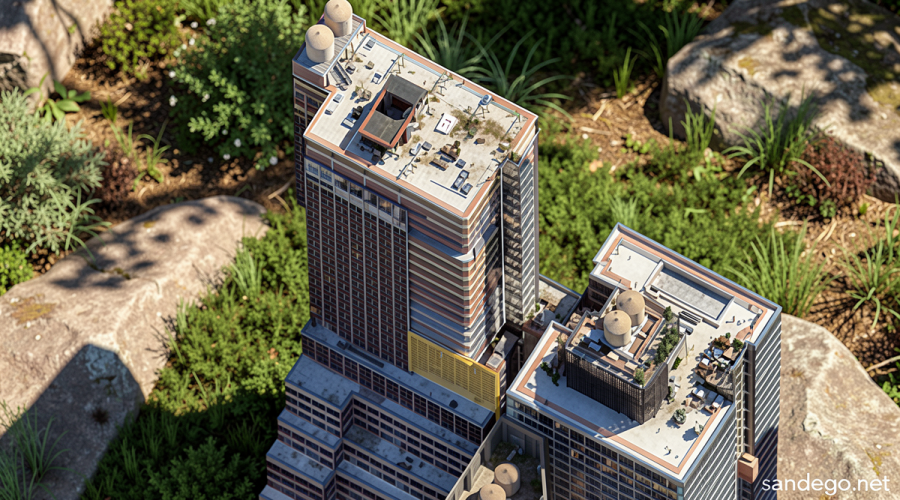
Upon closer inspection, the damage became apparent to the naked eye. The primary issue was located on the twenty-first floor, where structural columns showed clear signs of buckling. This visual evidence helped engineers and inspectors pinpoint the source of the instability with greater precision. The visible deformation of the columns provided crucial information for the teams working to assess the full scope of the damage and determine the necessary steps for reinforcement.
The visual documentation of the buckling columns has been instrumental in guiding our stabilization efforts, allowing us to target specific areas requiring immediate attention.
Engineering teams have been working around the clock to develop and implement temporary support systems. These solutions are designed to redistribute the load across the affected sections of the building while permanent repairs are planned. The approach combines both immediate stabilization measures and long-term structural reinforcement strategies to ensure the building’s safety throughout the renovation process.
Project Significance and Future Outlook
The building in question is situated at the prominent address of 219 through 235 East 42nd Street. It represents a major transformation in the local real estate landscape. Originally serving as the headquarters for the pharmaceutical giant Pfizer, the site is currently undergoing a massive renovation. The goal of this extensive project is to convert the commercial space into a residential complex containing approximately 1,600 apartments. This shift from corporate to residential use reflects broader trends in urban development and the adaptive reuse of historic buildings.
As teams continue to work on stabilizing the structure, the focus remains on minimizing disruption while ensuring the highest standards of safety. The ongoing efforts to address the buckling columns demonstrate the commitment to completing this landmark project successfully. With temporary measures in place and detailed plans for permanent solutions, the building is expected to resume normal construction activities once engineers confirm that all structural concerns have been adequately addressed.