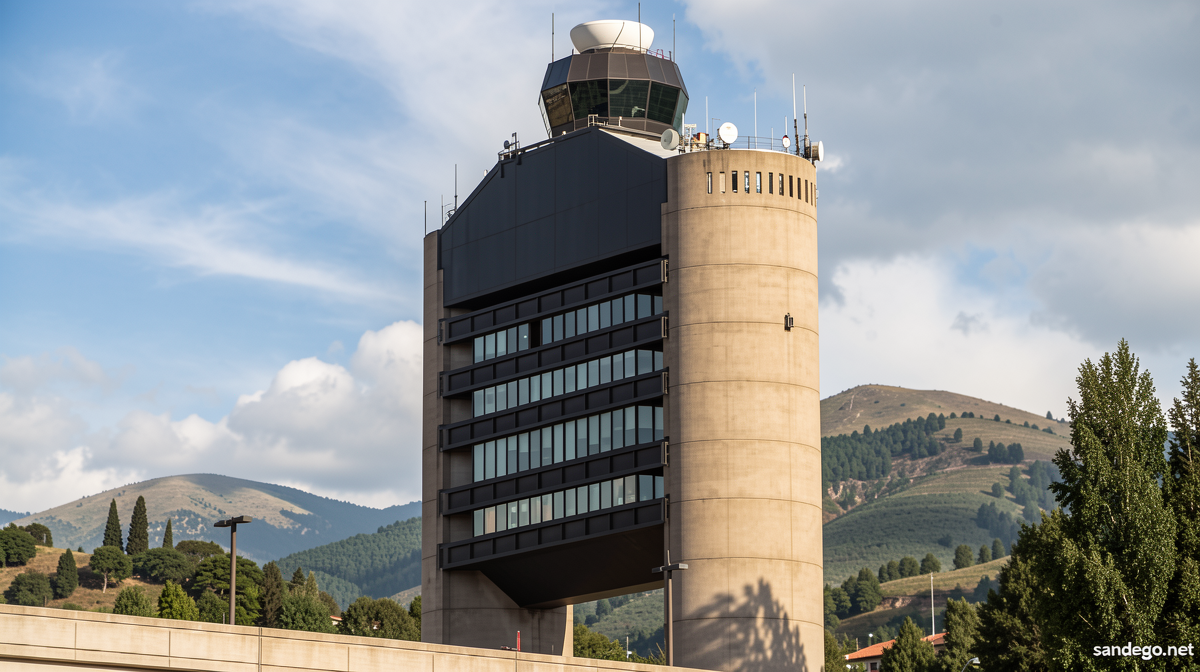
Two planes nearly collided in Boston: NTSB preliminary findings reveal critical errors
Sandego.net – Two planes nearly collided in Boston last month following a series of confusing events that included a false cockpit warning and an air traffic controller who lost track of which aircraft he had cleared for departure. According to a preliminary report released by the National Transportation Safety Board, the close call occurred on June 20 when Delta Air Lines Flight 2351 was cleared to land on runway 33L behind a smaller aircraft. Just over a minute later, before the Delta jet touched down, American Airlines Flight 3161 received clearance to take off on the intersecting runway 27.
False alarm delays American Airlines departure
The American Airlines Airbus A319 began rolling down the runway but came to a halt after eight seconds when the pilots received an error message displayed in the cockpit. After carefully double-checking their aircraft systems, the crew determined the warning was a false alarm. Twenty-three seconds after stopping, they accelerated down the runway toward the intersection with the other runway. Meanwhile, the pilots aboard the Delta Boeing 737 spotted the potential collision and immediately aborted their landing, circling the airport before making a safe return and touchdown.
The American Airlines pilots watched the Delta aircraft maneuver away and continued their takeoff. At the closest point of the encounter, the two commercial jets were only 670 feet apart, according to the NTSB report. The air traffic controller explained to investigators that he had observed the American flight beginning its roll, then shifted his attention to ensure the smaller aircraft cleared the runway for the incoming Delta plane.
“American 3161 where are you going?” the controller can be heard asking in air traffic control audio recorded by ATC.com. “You cleared us to take off,” the pilot responded.
When an anti-collision alarm sounded in the control tower, the Delta pilots had already taken evasive action. The controller told investigators he “recalled feeling confused” because the small plane was moving out of the way as expected. Controllers typically slant the paper flight strips they use to track each aircraft, but American’s strip remained flat, indicating it had not been properly acknowledged. Neither aircraft received a cockpit collision warning during the incident, the pilots stated in NTSB interviews.
Stoplights that could have alerted the American flight to the potential conflict extinguished after the small plane landed and failed to illuminate again until the Delta aircraft was on its final approach. The cockpit voice recorders on both planes capture only the most recent two hours of audio, and by the time the NTSB requested the black boxes, the critical conversation had already been overwritten. The flight data recorders, which store information for a longer duration, captured system data from the time of the incident and are currently under analysis.
The NTSB will determine the probable cause of the near collision at the conclusion of its investigation, a process that typically spans one to two years. The incident involved a total of 318 people aboard the two commercial aircraft and highlights how multiple small errors can combine to create dangerous situations in busy airspace. The focus keyword “Two planes nearly collided in Boston” accurately describes this significant aviation event that occurred at one of the nation’s busiest airports.
Related SEO Topics
Frequently Asked Questions
What is Two planes nearly collided in Boston?
Two planes nearly collided in Boston is the main topic covered in this article, with practical context to help readers understand the subject clearly.
Why does Two planes nearly collided in Boston matter?
Two planes nearly collided in Boston matters because it helps readers compare options, avoid common mistakes, and make a more informed decision.
How should readers use this Two planes nearly collided in Boston guide?
Use the key points, examples, and related links in this page as a starting point, then review the latest details before making a final decision.