TSA Removes Chairs From Document-Checking Posts at Airport Security Checkpoints
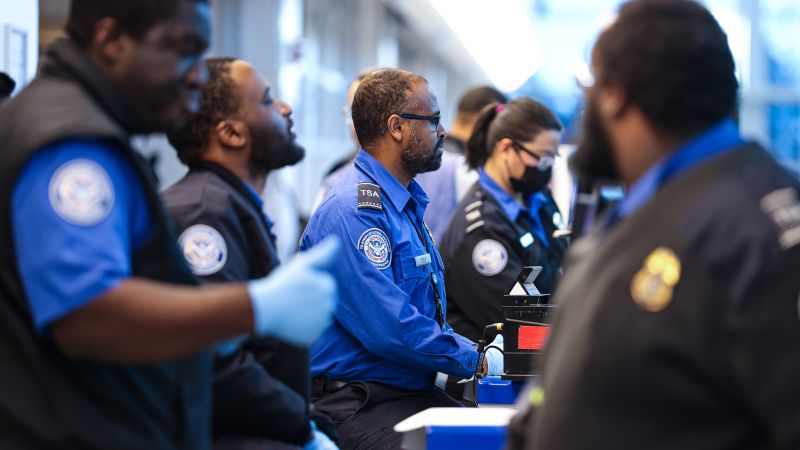
Sandego.net – Transportation Security Administration officers who inspect boarding passes and identification at airport checkpoint entrances are being required to remain standing as they work, following the removal of chairs from those positions nationwide.
The change affects travel document checker podiums, where officers are typically the first TSA employees passengers encounter before entering the screening area. The agency said the new approach is intended to support both checkpoint security and the passenger experience by keeping officers visible, attentive and ready to assist travelers.
“This welcome change reinforces both our security posture and our commitment to hospitality by having these officers on their feet and alert,” TSA said in a statement.
TSA added that officers must satisfy fitness-for-duty standards so they can carry out their national-security responsibilities while maintaining a professional and welcoming setting for people moving through airports.
Union Raises Ergonomic and Safety Concerns
The American Federation of Government Employees TSA Council 100, which represents TSA screeners, criticized the decision and said it learned of the policy through its members rather than through formal notice from the agency.
The union said chairs had already begun disappearing from podiums at most commercial airports. One union leader said neither AFGE nor its local chapters received an official notification before the removals began.
“These chairs serve as basic ergonomic and safety support for officers that stand and walk on hard surfaces all day,” the AFGE Council 100 statement read.
The union argued that seating should not be viewed as a workplace perk. Its statement described the chairs as a basic measure for employee safety and comfort during long shifts on hard flooring.
“TSA is treating this matter like it is a privilege – it is not; it is basic safety and common decency for the workforce.”
The disagreement highlights the different priorities involved in a highly visible airport role. For travelers, the document check is a brief interaction at the start of the screening process. For officers assigned to that station, the role can involve repeated interactions with large numbers of passengers while standing for extended periods.
A New Direction Under TSA Administrator David Cummins
The chair removals come less than two months after David Cummins was confirmed as TSA administrator. The agency is approaching the 25th anniversary of its creation in November, and Cummins has begun promoting a broader effort called Horizon 25.
That initiative is designed to move key TSA priorities forward quickly. Its stated areas of focus include expanding TSA PreCheck, deploying new technology, privatizing certain checkpoints and improving the experience for passengers.
“TSA does not have to choose between a secure checkpoint, an efficient checkpoint, and an elevated passenger experience,” Cummins said when announcing Horizon 25.
It remains unclear whether the standing requirement for document-checking officers is formally part of Horizon 25 or a separate operational decision. TSA has presented the policy as a way to strengthen alertness and hospitality at the point where travelers first enter the checkpoint process.
The agency’s view is that an officer on their feet can create a more engaged and prepared presence. The union’s position is that workplace ergonomics and safety must remain part of any effort to reshape checkpoint operations.
What Travelers May Notice
Passengers may see a more consistent standing presence at the entrance to security lines as airports remove chairs from document-checking positions. The core process remains the same: travelers present a boarding pass and acceptable identification before moving toward baggage screening and other security procedures.
The practical effect on wait times is not clear. TSA has not indicated that the policy changes how documents are checked, how many officers are assigned to a checkpoint or which passengers are directed to particular screening lanes. Its stated goal centers on officer readiness and the quality of the initial interaction with the public.
For workers, the question is more directly tied to the physical demands of the job. Document checkers may stand at their assigned location while also moving within the checkpoint area, and the union has stressed that seating can provide support during a workday spent on hard surfaces.
The policy arrives as TSA considers wider changes to security operations and passenger service. Expanding PreCheck, introducing equipment and potentially privatizing some checkpoints could alter parts of the airport screening experience over time. The chair removal is a narrower measure, but it has become a visible example of the competing expectations placed on frontline security employees.
TSA maintains that strong security, efficient checkpoint operations and better service for passengers can coexist. AFGE Council 100 has made clear that it expects employee health, safety and workplace rights to be included in that balance as airports continue removing chairs from travel document checker podiums.
Related Reading
Frequently Asked Questions
What is TSA officers now not allowed to sit?
TSA officers now not allowed to sit is the main topic of this guide. The article explains the context, practical details, and next steps readers should understand.
Why does TSA officers now not allowed to sit matter?
TSA officers now not allowed to sit matters because readers are looking for a useful answer, not just a short summary. Good content should match search intent and help them decide what to do next.