Taxpayer-Funded Trump Ads Draw Scrutiny Over $20 Million CBP Allocation
Sandego.net – A national television campaign celebrating President Donald Trump has already generated at least $2.5 million in airtime costs, while a far larger pool of federal money has been set aside for the effort. The campaign has prompted criticism from Democratic lawmakers and government watchdogs, who argue that taxpayer funds may be supporting partisan political messaging.
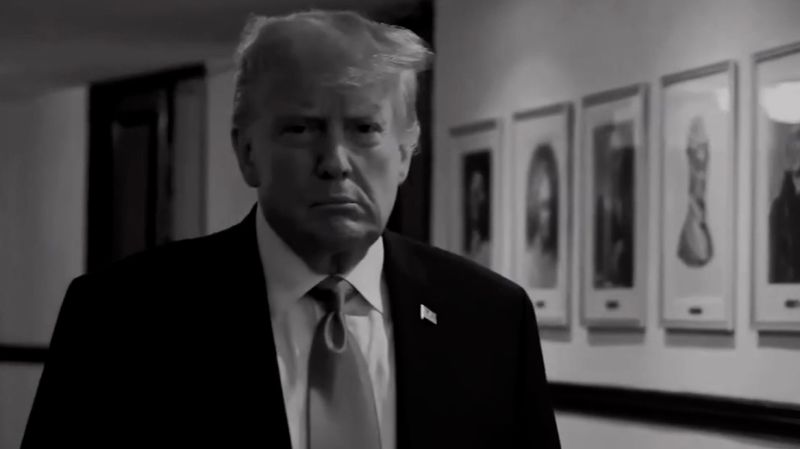
Advertising-tracking firm AdImpact estimated that the three Trump-focused commercials aired 2,766 times from September 23 through September 29. Its estimate places the television airtime expense at no less than $2.5 million so far, though the campaign’s full cost remains difficult to calculate because the purchases were categorized as public service announcements rather than conventional political advertising.
The available funding originated with Customs and Border Protection, an agency within the Department of Homeland Security. Earlier in September, the White House Office of Management and Budget, headed by Russell Vought, directed $20 million to CBP for “OBBBA commemorative events.” The initials refer to the One Big Beautiful Bill Act, signed by Trump in 2025.
After that allocation, CBP entered into a national media agreement worth the same $20 million with LMD Agency Inc. The commercials began appearing on national television days later. LMD’s parent company, MarCom Group, did not respond to a request for comment.
Football Broadcasts and Prime-Time Programs
The campaign has reached audiences across Fox News as well as the four major broadcast networks. Nearly 30% of estimated spending was tied to NFL and college football programming, a placement strategy that put the commercials in front of large live-event audiences.
The spots have also aired during entertainment and daytime programs, including ABC’s The View, CBS’s Elsbeth, and NBC’s The Weakest Link. Such placements underscore the broad national reach of the campaign and distinguish it from a narrowly targeted government information effort.
AdImpact calculated its estimates using broadcast dates, airtime, local-market information, and related factors. Since PSA placements are not subject to the same transparent spending disclosures as regular political buys, the precise amount paid for individual airings cannot be independently verified through public advertising records.
The first commercial released in the series, which uses the song “Love Me” by JMSN, has been broadcast more than 1,300 times. Lawyers for the musician sent the White House a cease-and-desist letter this week seeking an end to the song’s use in the administration’s advertising.
Questions About Whether the Ads Are Public Service Announcements
Each of the three advertisements closes with the on-screen statement, “Paid for by the US Government.” One spot is a reworked version of a commercial from Trump’s 2024 presidential campaign. That payment disclosure has intensified questions about the administration’s description of the ads as public service announcements.
Government PSAs have historically been used to communicate practical information about programs or public-health matters, including Medicare, the Affordable Care Act, and Covid-19 vaccinations. Television airtime for genuine public service announcements is commonly donated rather than purchased. The Trump ads, by contrast, were supported with federal funds and feature messaging that critics characterize as promotional.
The ads “appear to violate the federal law against using taxpayer funds to finance propaganda and related provisions of the appropriations laws as well as the Hatch Act.”
That language appeared in a complaint filed Tuesday with the Federal Communications Commission and the Federal Trade Commission by Public Citizen co-presidents Robert Weissman and Lisa Gilbert, along with the organization’s lobbyist, Craig Holman.
Public Citizen contended that the ads lack a clear connection to a defined government service or program that members of the public need to understand.
The ads “do not refer to any specific governmental program and they do not serve the purpose of informing the public about any specific governmental program.”
The group also warned broadcasters that knowingly carrying illegal taxpayer-supported partisan propaganda could raise questions during license-renewal proceedings.
“A station knowingly broadcasting illegal, taxpayer-funded partisan propaganda has failed its public interest mandate, forming the basis of a formal license renewal challenge.”
Congressional Criticism and an Uncertain Legal Path
Democratic Sens. Patty Murray and Chris Murphy sent a letter Tuesday to Homeland Security Secretary Markwayne Mullin, accusing the department of “a shockingly corrupt misuse of taxpayer dollars.” Their criticism reflects a broader dispute over whether executive branch resources can be used for advertising that centers on a sitting president.
Lawmakers in both parties have raised concerns about the ads’ legality, but congressional Republicans, who control both the House and Senate, have not taken action. It also remains uncertain whether outside organizations have sufficient legal standing to bring a lawsuit challenging the administration’s campaign.
The commercials were produced internally by the White House video team. Trump was personally involved in selecting imagery and footage for the campaign, adding another dimension to the criticism that the ads function more as presidential promotion than as neutral public information.
The dispute places attention on the limits governing federal communications. Taxpayer-funded outreach can serve an important role when it explains benefits, emergency guidance, or public programs. Critics say that distinction matters here: federal agencies are expected to inform the public, not finance messaging designed to elevate an individual political figure.
With $20 million allocated and national placements continuing, the debate is likely to remain focused on both the money trail through CBP and the line between public education and political advocacy.
Related Reading
Frequently Asked Questions
What is Trump s ads have cost taxpayers?
Trump s ads have cost taxpayers is the main topic of this guide. The article explains the context, practical details, and next steps readers should understand.
Why does Trump s ads have cost taxpayers matter?
Trump s ads have cost taxpayers matters because readers are looking for a useful answer, not just a short summary. Good content should match search intent and help them decide what to do next.