
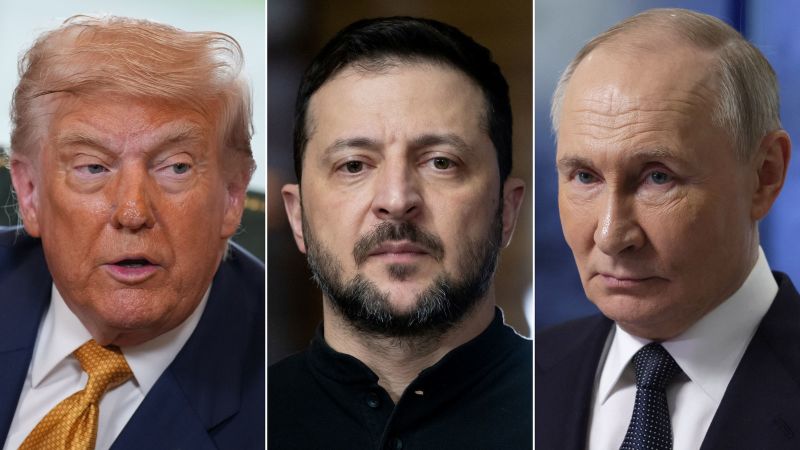
Trump Celebrates 80th Birthday with Phone Calls to Putin and Zelensky
Sandego.net – On June 14, 2026, Russian President Vladimir Putin engaged in a phone conversation with U.S. President Donald Trump, marking the American leader’s 80th birthday. The call, which lasted nearly an hour, was reportedly focused on strengthening ties between Moscow and Washington, as stated by the Kremlin press office. During the exchange, Putin extended his birthday wishes to Trump, while Trump reiterated his call for a resolution to the conflict in Ukraine, according to Kremlin spokesperson Yri Ushakov.
Bilateral Talks and Strategic Agreements
The dialogue between Trump and Putin covered a range of topics, including the evolving dynamics of their nations’ relationship. Ushakov noted that both leaders expressed a commitment to fostering cooperation, particularly in light of recent developments in global affairs. Notably, the two agreed on the upcoming visits of U.S. envoys Steve Witkoff and Jared Kushner to Russia. These meetings are expected to address key issues such as economic partnerships and geopolitical strategies, Ushakov said.
Additionally, Trump informed Putin about the progress of an agreement with Iran, which is anticipated to be announced later that day. The deal, which aims to ease tensions between the U.S. and Iran, could have significant implications for international relations. However, the Kremlin handout did not specify the terms of the agreement, leaving details to be clarified by the White House, which CNN had contacted for further comments.
Trump and Zelensky Discuss Peace Efforts
Earlier in the day, Trump also spoke with Ukrainian President Volodymyr Zelensky. The conversation, which Zelensky described as “very detailed,” took place as part of a broader effort to address the ongoing war in Ukraine. Zelensky, who welcomed Trump’s birthday wishes, emphasized the importance of continued dialogue between the two leaders. “We have had quite a detailed discussion about many key things – peace, surely, was among them,” Zelensky stated in a blockquote.
“We agreed that we will discuss more during our meeting at the G7 Summit,” he added, referring to the annual gathering of leaders from the Group of Seven nations, which was taking place in France that week.
Zelensky’s comments highlighted the significance of the G7 Summit as a platform for addressing critical global issues. The summit, held in Paris, brought together world leaders to discuss economic policies, climate change, and conflict resolution. Trump’s interactions with both Putin and Zelensky underscored his diplomatic efforts to navigate complex international challenges, even as the war in Ukraine continued to dominate headlines.
Despite the optimistic tone of the calls, tensions remain high. Putin’s suggestion that Zelensky should visit Moscow was met with consistent rejection from the Ukrainian leader. Zelensky, who has maintained a firm stance on maintaining Ukraine’s sovereignty, has previously declined such invitations, preferring to hold discussions in neutral or Western settings. This decision reflects broader geopolitical considerations, as Zelensky seeks support from allies and international bodies to sustain Ukraine’s position in the conflict.
Context of the Calls and Broader Implications
The timing of Trump’s birthday calls coincided with a critical phase in the Ukraine war, which has entered its third year. The conflict, sparked by Russia’s annexation of Crimea in 2014, has since escalated with full-scale invasions and battles across the Donbas region. Trump’s advocacy for a ceasefire has been a recurring theme in recent discussions, though his approach has often been met with skepticism from European allies and Ukrainian officials.
Analysts suggest that Trump’s outreach to Putin and Zelensky may be part of a larger strategy to balance U.S. involvement in the conflict. By engaging with both sides, Trump could be positioning himself as a mediator, aiming to de-escalate hostilities while securing strategic advantages for the United States. However, the effectiveness of these calls will depend on the willingness of both parties to compromise, a factor that remains uncertain.
The US-Iran agreement, which Trump mentioned during the conversation with Putin, is another focal point of current negotiations. Tensions between the two countries have been high since the U.S. withdrew from the 2015 Iran nuclear deal under the previous administration. The new agreement is expected to address issues such as Iran’s nuclear program, regional security, and economic sanctions. If finalized, it could mark a turning point in U.S.-Iran relations, potentially shifting focus away from the Ukraine war for a brief period.
Public Reaction and Future Prospects
Reactions to Trump’s calls have been mixed. Supporters argue that his direct engagement with world leaders demonstrates a hands-on approach to diplomacy, while critics question whether such efforts will yield meaningful results. The Kremlin has praised Putin’s outreach to Trump, framing it as a strategic move to stabilize international relations. Meanwhile, Zelensky’s participation in the calls has been seen as a gesture of goodwill, though it has not changed the course of the conflict.
As the G7 Summit in France progressed, discussions on the Ukraine war remained a central topic. Delegates from the seven nations, including the United States, United Kingdom, France, Germany, Italy, Canada, and Japan, were expected to address sanctions against Russia, military aid to Ukraine, and the broader implications of the war on global stability. Trump’s alignment with Putin on certain issues may influence the outcomes of these talks, particularly regarding the level of support for Ukraine and the conditions for a peace agreement.
Looking ahead, the success of these phone calls will hinge on the follow-up actions taken by the involved parties. The planned visits of Witkoff and Kushner to Russia could serve as a catalyst for renewed dialogue, while Zelensky’s meetings with Trump may pave the way for more coordinated efforts in the international arena. Regardless of the immediate outcomes, the calls highlight the intricate web of alliances and rivalries shaping global politics at this pivotal moment.
Trump’s 80th birthday, therefore, became a symbol of his enduring role in international diplomacy. The calls with Putin and Zelensky not only marked a personal milestone but also reflected the complex interplay of interests between major world powers. As the G7 Summit and other diplomatic events unfold, the world will be watching closely to see how these conversations translate into tangible progress on the ground.
With the ongoing war in Ukraine and the evolving U.S.-Russia relationship, Trump’s efforts to foster dialogue are both timely and necessary. The outcomes of these interactions may shape the next phase of the conflict, influencing everything from military strategies to international sanctions. For now, the calls remain a testament to Trump’s continued influence on the global stage, even as the complexities of international diplomacy persist.
As the day progressed, the White House was expected to provide further clarification on the details of the US-Iran agreement, which could have far-reaching effects. The combined efforts of Trump, Putin, and Zelensky illustrate the multifaceted nature of modern geopolitics, where personal relationships often play a crucial role in shaping international policies. The coming weeks will be key in determining whether these calls lead to significant breakthroughs or remain symbolic gestures in a landscape of uncertainty.