The Addictive 8 Seconds Where ‘Nothing Else in the World Matters’
Australian Rodeo Culture and the Road to Texas
Sandego.net – At a dusty rodeo ground in Queensland, the scene unfolds with raw energy. Teenager Johnathon Carlo bolts onto the arena, his hands gripping the bull rope as he rides the back of a miniature bull. After a dramatic crash into the dirt, he returns to the chutes, his left wrist—where he clung to the bull rope—rubbing in apparent defiance of pain. “You hurt?” someone asks. “Nah,” he replies, his voice steady. For bull riders, the sensation of hurt is secondary to the thrill of the eight-second ride. Less than that, and the ride is classified as a B/O—a buck off. This simple rule governs the sport, but the stakes extend far beyond the arena, especially for young Australians chasing the dream of international competition.
The Rodeo Dream and the Long Haul
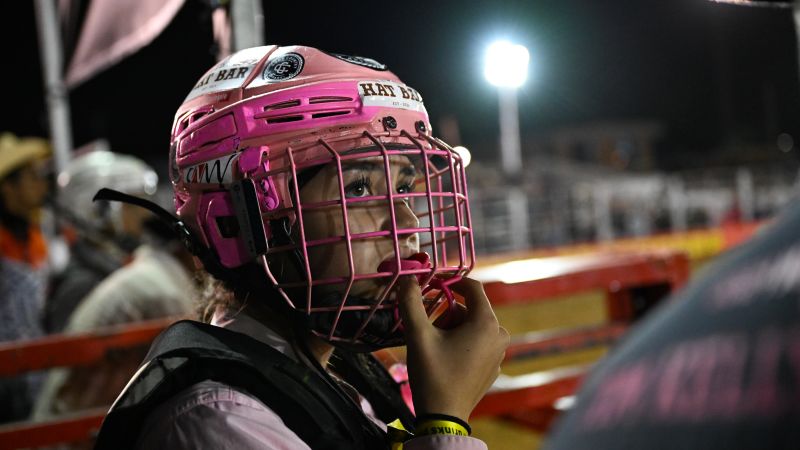
The Youth Bull Riders World Finals in Texas are a coveted destination for nine Australian riders, including 12-year-old Bella Brinner, who aims to “show the boys who’s boss,” and 13-year-olds Jake Washband, EJ Morris, and Kobi Evans. Each of them represents a blend of passion and determination, yet none currently ranks at the top of the national standings. Behind their aspirations stands a network of devoted parents, spearheading the non-profit Red Dirt Australian Rodeo to fund their journey. Clint Morris, a parent in the group, describes the experience as transformative: “They get over there and they’re messing with the world.”
Despite the excitement, the path to the U.S. is not without its challenges. Traveling across Queensland, a state larger than Texas, demands time and resources. The gamble is real—many riders hope their talent will one day earn them millions, much like Troy Dunn, Australia’s sole PBR World Champion. Brady Fielder, currently ranked second in the U.S., is another name that resonates with young Australians. Yet, for some, the rewards of bull riding are closer to home. The sport, though a minority pastime, carries deep roots in Australia’s cultural identity.
Roots in the Land and Legacy of Dispossession
Australian cowboy culture shares similarities with its counterparts in the Americas, yet the terminology reflects local traditions. Terms like “stockmen” and “ringers” replace “cowboys,” while “jackaroos” and “jillaroos” describe trainees. These distinctions are part of a broader narrative that intertwines the sport with Australia’s colonial history. Johnathon, who grew up in Cherbourg, a former Aboriginal mission in Queensland, embodies this connection. His ancestors were once segregated under colonial policies, displaced from their traditional lands to live in government-run reserves from 1900 to the early 1970s.
For many Indigenous Australians, the cattle industry was built on their labor. Figures like Damien Bond, a third-generation bull rider from Cherbourg, highlight this legacy. “Anything to do with horses, cattle, or rodeo, we adopted into our culture,” he explains. The skills honed in these early days—mustering cattle on horseback, navigating harsh environments—continue to shape the sport today. Johnathon, who began riding horses at his neighbor’s house, now competes alongside his five siblings, each a testament to the family’s enduring bond with the land and the rodeo.
Johnathon’s mother, Elizabeth Davidson, echoes the fears and hopes of many parents. “I get nervous every time he steps into the arena,” she admits, “but when he rides, I feel like I’ve been lifted up.” Her words capture the emotional weight of the sport, which demands both physical courage and mental resilience. For Bella Brinner, who rides bulls named Ice Cube, Monkey, and Flopp, the sport is as much about family pride as it is about competition. “They’re just like little puppies,” she says, her voice carrying the same mix of determination and affection as her teammates.
A Sport of Resilience and Reinvention
Bull riding in Australia faces stiff competition from popular sports like football, soccer, and netball. Yet, its unique blend of danger and drama continues to attract a loyal following. The Australian branch of Professional Bull Riders Inc. has worked tirelessly to cultivate new talent, but the challenge remains to keep the sport relevant in a modern era. Despite this, the rodeo scene persists, often in remote areas where the spirit of the frontier still lives on.
Queensland, with its sprawling cattle stations, provides the perfect backdrop for this tradition. The state’s vast landscapes and harsh conditions mirror the American West, creating a rodeo culture that feels both familiar and distinct. In rural parts, folk music, cowboy hats, and trucks are as common as they are in the Midwest, a subtle reminder of the shared heritage between continents. However, this cultural celebration also carries the weight of history. The displacement of Indigenous communities to make way for cattle stations is a shadow that lingers over the sport, even as it thrives.
As the young riders prepare for their journey to Texas, they carry more than just their equipment. They carry the stories of their ancestors, the resilience of their communities, and the unyielding pursuit of a dream. For Johnathon, Bella, Jake, EJ, and Kobi, the eight seconds on a bull are not just a measure of skill—they are a bridge between past and future, between tradition and ambition. The rodeo arena, once a place of segregation, now serves as a stage where young Australians redefine their place in the world, one buck at a time.
“The cattle industry, it was built off the backs of my people,” Damien Bond reflects, underscoring the deep cultural ties that bind the sport to Indigenous history. As the riders chase their goals, they also honor the legacy of those who came before them, ensuring that the spirit of the rodeo—and the stories it tells—live on for generations to come.