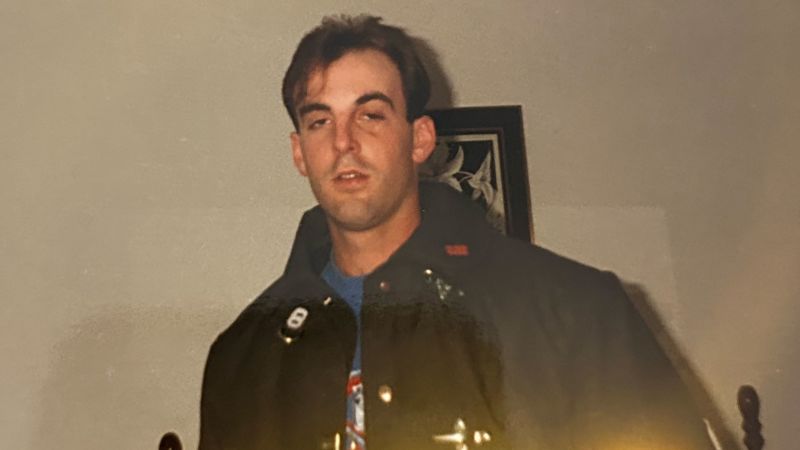
Keith Roma answered the call on September 11. His sacrifice was not included in the number many Americans remember.
Sandego.net – Arnold Roma had been home for only five hours after a 12-hour hospital shift when a wall phone rang in his Staten Island living room. At 49, he knew the exhaustion that came with long nights as a nurse. But the voice on the other end immediately jolted him awake.
Sirens, a firetruck engine and urgent shouting filled the line. His 27-year-old son, Keith Roma, was calling from the response underway in Lower Manhattan.
“A plane just hit the World Trade Center!”
Keith told his father that every available responder would be needed. Arnold, a volunteer firefighter and retired NYPD officer as well as a nurse, understood exactly what that meant. The two had shared years of fire service, volunteering together at a New Jersey fire company and riding calls side by side.
“Dad, they’re going to need everybody. You better get down here.”
Arnold told his son he would meet him there. It was the final conversation they would have.
A father’s search begins
When Arnold arrived at the World Trade Center, the North and South towers were still standing. Each had been struck by a Boeing 767. Smoke poured from the buildings, while burning jet fuel made clear that the emergency was worsening by the minute.
Keith was believed to be inside the North Tower. He had started the day at Patrol 2, a firehouse near the World Trade Center where he served as a New York Fire Patrolman.
For generations, New York firefighting involved two organizations operating alongside one another. The FDNY was the better-known public department. The New York Fire Patrol, later disbanded, was a private fire-salvage corps that worked closely with FDNY crews while remaining separate from it.
The distinction was visible in their helmets. FDNY firefighters wore black, while Fire Patrol members wore red. On September 11, the helmet colors became deeply personal for Arnold Roma. Amid the enormous emergency response, he searched for a flash of red that might reveal his son’s location.
A chief directed Arnold to establish a triage area in the South Tower. He scanned the responders around him, finding many black helmets but none belonging to Keith.
He believed he would return to the search. Instead, he ran toward the lobby as glass fell around him and people trapped high above leapt from the towers. He was only feet away when the South Tower collapsed.
Concrete and debris swallowed him. Temporarily blinded, Arnold understood he had survived only because he could hear other people crying out through the dust and wreckage. He clawed his way free and joined injured, shaken survivors trying to escape.
During the evacuation, he gave his protective coat to a civilian whose skin was exposed. He also helped carry an FDNY firefighter suffering from a severely broken femur. When Arnold was taken away by ambulance, he hoped Keith and the other Fire Patrol members had escaped the disaster zone.
Inside the North Tower
Keith Roma had reached the World Trade Center with Fire Patrol 2 Lt. John Sheehan and driver Joe Krasko. They drove from their station on West 3rd Street after seeing smoke rising from the North Tower. Sheehan radioed for additional patrol units to respond.
More than a dozen Fire Patrol members came to what would soon be known as Ground Zero. They assisted with fires, helped civilians get out and took part in the rapidly expanding rescue effort.
In the North Tower lobby, Keith and Sheehan worked alongside firefighters who were opening elevator doors and directing workers toward stairwells. Sheehan later recalled Keith repeatedly helping people reach safety.
“I witnessed Keith carry at least a half a dozen people to safety,” Sheehan said. “Bringing them down steps, handing them off to cops or EMTs.”
Then Sheehan, standing roughly 10 feet from Keith, heard a roar he compared to a freight train. The South Tower had collapsed, sending a violent rush of air, dust and darkness into the North Tower lobby.
Sheehan called out for Keith. There was no response. He shouted again as the air remained thick with debris. Still, nothing came back.
Why one loss became less visible
The deaths of first responders on September 11 are often represented by an enduring public number: 343 FDNY firefighters. That figure reflects an extraordinary loss, but it does not include every fire responder who died that day.
Keith Roma’s service came through the New York Fire Patrol rather than the FDNY. The difference was administrative and organizational, not a difference in the danger he faced or the work he performed. He entered the North Tower, helped evacuate civilians and was caught in the same catastrophe that killed so many other responders.
His story illustrates how official categories can shape public memory. The red helmet that identified Keith as a Fire Patrolman also separated him from the tally that became a central symbol of the attacks’ impact on the fire service.
For Arnold Roma, that difference could not have mattered less on the morning of September 11. He had gone to Lower Manhattan as a father trying to find his son, while also doing the work expected of a responder in an unfolding mass-casualty emergency.
Keith Roma’s life and final actions remain part of the larger story of rescue at the World Trade Center: a young fire responder who moved toward danger, carried people toward safety and became one of the losses that cannot be fully contained by a single number.
Related Reading
Frequently Asked Questions
What is The 9 11 firefighter whose death?
The 9 11 firefighter whose death is the main topic of this guide. The article explains the context, practical details, and next steps readers should understand.
Why does The 9 11 firefighter whose death matter?
The 9 11 firefighter whose death matters because readers are looking for a useful answer, not just a short summary. Good content should match search intent and help them decide what to do next.