Texas Teen Convicted of Murder After Track Meet Stabbing
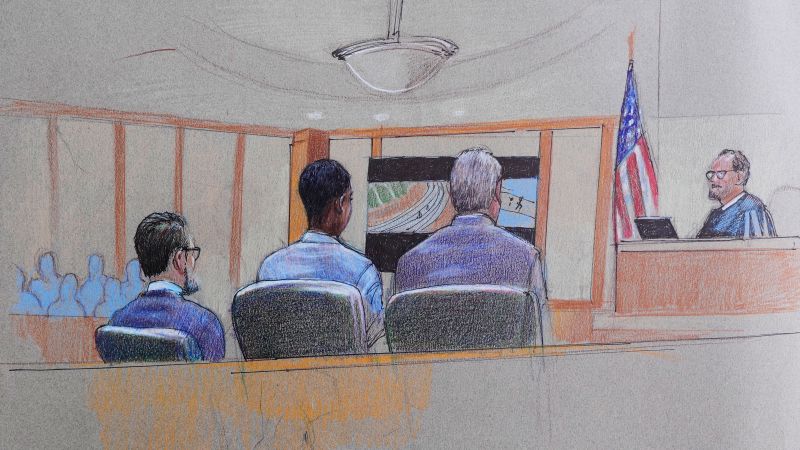
Sandego.net – In a case that ignited widespread discussion across Texas, a 19-year-old McKinney resident, Karmelo Anthony, was handed a 35-year prison sentence for the fatal stabbing of Austin Metcalf, a 17-year-old high school track athlete, during a heated confrontation at a regional competition. The verdict, delivered on Tuesday, marked a pivotal moment in the lives of both families and underscored the emotional weight of the incident that unfolded in the bustling Dallas suburb. The trial, which lasted nearly a week, brought together testimonies from students, community members, and legal representatives, all of whom contributed to the narrative surrounding the tragedy.
A Confrontation Amid Rivalry
The incident occurred on April 2025, during a high school track meet in McKinney, Texas, where rival teams were competing in the stadium’s bleachers. According to witnesses, Anthony and Metcalf had been engaged in a tense exchange over the use of a tent belonging to Metcalf’s team. The confrontation, which took place on a rainy spring day, was described by students as escalating quickly. “It was like a flashpoint,” said one witness, recounting how Anthony’s refusal to leave the tent led to a verbal clash that turned physical.
During the trial, the prosecution argued that Anthony had provoked Metcalf, leading to the fatal act. “This is not self-defense, folks. It’s murder plain and simple,” stated Prosecutor Bill Wirskye, emphasizing the severity of the crime. The defense, however, presented a different perspective, with attorney Mike Howard claiming that Anthony acted in self-defense. “Texas law does not require you to wait until you’re hit,” Howard asserted, urging the jury to consider the split-second chaos of the moment. “In that instant, you must put yourself in his shoes.”
The Role of Social Media
The case gained traction beyond the courtroom, partly due to the viral spread of social media posts that framed the incident in racial terms. Anthony, who is Black, and Metcalf, who is white, were from rival teams, a fact that some highlighted as a contributing factor to the altercation. While both families maintained that the tragedy was not racially motivated, the public’s perception of the event became intertwined with broader conversations about race and violence in sports. “It’s not about race, it’s about what happened in that moment,” said Jeff Metcalf, Austin’s father, during his testimony. Yet, the emotional resonance of the case lingered, with social media amplifying the narrative and drawing attention to the racial dynamics at play.
“You failed your parents, you failed yourself and you failed society,” said Jeff Metcalf, his voice cracking as he addressed Anthony after the verdict was announced. The quote, delivered with palpable emotion, encapsulated the frustration of a father who had lost his son to an act he believed was unjust.
The trial itself was marked by a series of dramatic moments. During closing arguments, the jury was presented with two opposing accounts of the incident. Prosecutors emphasized Anthony’s aggressive behavior, citing a police report that stated he had said, “Touch me and see what happens” before pulling out a knife. Defense attorneys, meanwhile, focused on Metcalf’s actions, arguing that he had initiated the conflict. “There was a clear escalation,” Howard noted, as he painted a picture of a teenager defending himself against an aggressor.
Testimonies and Community Impact
The trial’s witnesses included students who had been present at the scene, offering firsthand accounts of the confrontation. One teen testified that Metcalf had scoffed at Anthony’s presence in the tent, a moment that, according to the police report, sparked Anthony’s verbal challenge. “He was dismissive, like he thought Anthony had no right to be there,” recalled a student. The testimony of these young witnesses, combined with the physical evidence, formed the backbone of the prosecution’s case.
Frisco, a rapidly growing city in Texas, has become a focal point of the case. Known for its modern school campuses and state-of-the-art athletic facilities, the community’s reaction to the verdict was mixed. Some residents expressed outrage, while others called for leniency. The trial, held in the Collin County courthouse, was attended by a crowd of spectators eager to witness the outcome. Heavy security measures were in place to ensure the safety of everyone present, reflecting the gravity of the event.
As the verdict was read aloud, the courtroom fell silent. The jury, which deliberated for less than three hours, had opted for the most severe charge—murder—over the lesser alternative of manslaughter. “Mercy to the guilty is cruelty to the innocent,” said Wirskye, summarizing the prosecutors’ stance. This decision sent shockwaves through the community, with one woman outside the courthouse screaming, “This isn’t real!” as the news spread.
A Legacy of Accountability
The trial also became a platform for broader societal reflection. Prosecutors framed the case as a lesson in accountability, asking the jury to consider the kind of community they wanted to build. “Ultimately, this case is about holding people responsible for their actions,” Wirskye argued, stressing the importance of justice in the face of conflict. The defense, on the other hand, focused on the immediacy of the situation, urging the jury to recognize Anthony’s right to defend himself in the heat of the moment.
Anthony’s mother, who took the stand during the sentencing phase, expressed remorse for her son’s actions. “He’s sorry, and he wants to make amends,” she told the jurors. Despite her plea, the jury’s decision to impose a 35-year sentence underscored the severity of the crime. The parents of both victims had testified about their children’s academic achievements and future aspirations, adding a human element to the legal proceedings.
As the sun set over McKinney, the community grappled with the implications of the verdict. The case has become a symbol of the tensions that can arise in competitive environments, even among students who are otherwise seen as promising. “It’s a tragedy that affects us all,” said one local resident, reflecting on the impact of the incident. The trial not only highlighted the personal stories of the teenagers involved but also sparked a wider conversation about race, accountability, and the role of social media in shaping public perception.