Small Plane Makes Hard Landing into New York’s East River, Officials Say
Sandego.net – New York City officials confirmed that a seaplane crashed into the East River between Brooklyn and Manhattan shortly after noon on Sunday. The incident, which occurred near the Williamsburg Bridge, has prompted a swift emergency response and raised questions about the safety of aerial operations in the area. The Federal Aviation Administration (FAA) is now investigating the cause of the crash, while local firefighters and rescue teams worked to extract all eight individuals from the aircraft.
Emergency Response and Rescue Efforts
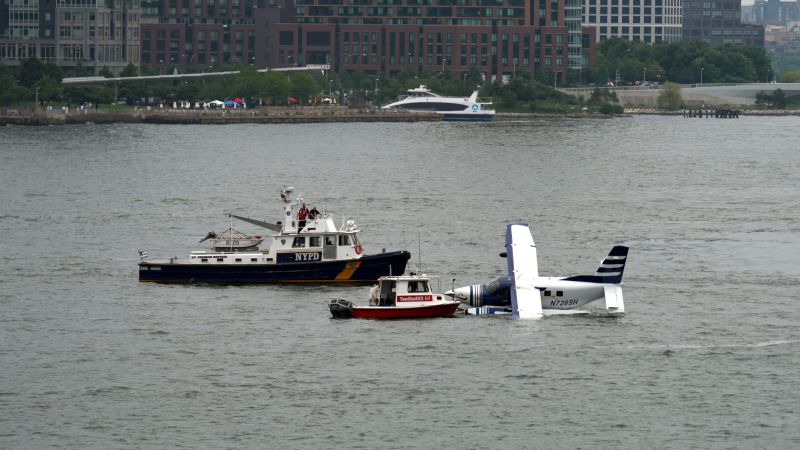
According to the New York City Fire Department (FDNY), the plane came to rest upright in the river, which is a critical detail in assessing the severity of the situation. Responders arrived at the scene within minutes of the initial call, which was received at 12:01 p.m. The FDNY reported that two of the eight occupants sustained minor injuries during the landing and chose to decline medical assistance on-site. The remaining six were reportedly uninjured and assisted by the fire department’s swift action.
“Mayday, mayday, mayday,” the helicopter pilot relayed over the radio, as captured by audio from ATC.com. “Plane down in the water.” The pilot’s voice was tense, highlighting the urgency of the moment. Shortly after the distress call, two boats approached the aircraft, signaling the start of the rescue operation. The pilot’s report that “it looks like the pilot is OK” provided some relief, though the exact condition of all passengers is still under evaluation.
Emergency crews used specialized equipment to retrieve the plane and its passengers, with the aircraft being towed back to a dock for further inspection. The incident has been classified as a “hard landing,” a term used to describe a situation where an aircraft touches down with more force than normal, potentially causing damage. While the crash was not immediately life-threatening, the quick response by FDNY and NYPD teams ensured that no one was left stranded in the river.
Details of the Crash and FAA Investigation
The FAA stated that the crash involved a wing strut snapping during the landing, which may have contributed to the plane’s stability. This finding suggests that the accident was not caused by a complete loss of control but rather by a structural issue during the approach. Investigators will examine the aircraft’s maintenance records, pilot training, and weather conditions at the time of the incident to determine the root cause.
Seaplanes, which are designed to take off and land on water, operate in a unique environment that requires both aviation and maritime skills. The East River, a bustling waterway in New York City, is a popular route for such aircraft due to its relatively calm waters and proximity to key urban areas. However, the crash underscores the risks associated with navigating this space, particularly during peak hours.
While the FAA has not yet released a final report, the incident has already sparked discussions about the safety protocols in place for seaplane operations. The agency emphasized that the investigation will focus on the aircraft’s condition, pilot decisions, and environmental factors. The pilot’s account of the event, along with data from the plane’s black box, will be crucial in piecing together the sequence of events.
Plane Specifications and Ownership
The seaplane involved in the crash is a Kodiak 100 model, which was built last year, according to FAA ownership records. This particular aircraft is part of a fleet used for short-haul flights and charter services in the region. The plane’s owner, however, has not been publicly disclosed, raising questions about the company’s operational history and compliance with safety standards.
Details about the aircraft’s maintenance schedule and recent inspections are still being gathered, but the FAA has noted that the strut failure could indicate a potential design flaw or mechanical oversight. The investigation will also look into the pilot’s experience level and whether any equipment malfunctions contributed to the crash. The plane’s registration and flight data will be cross-referenced with historical records to identify any patterns.
Seaplane operators in New York City are required to follow strict regulations, including regular safety checks and adherence to weather guidelines. The East River is a common destination for these flights, but the crash has highlighted the need for additional precautions. The FAA has reiterated that such incidents are rare but significant enough to warrant thorough analysis.
Community Impact and Ongoing Assessments
The crash has drawn attention from both residents and officials, with some expressing concern about the safety of air travel near the river. Local authorities have confirmed that no major disruptions to traffic or other aircraft operations have been reported. However, the event has prompted a review of emergency procedures for seaplane incidents, ensuring that future responses are even more efficient.
Authorities are also evaluating the environmental impact of the crash, particularly the potential for oil or fuel leaks into the river. While the plane is currently being towed to a dock, the FDNY has stated that the area will be monitored for any signs of contamination. The incident has also prompted a discussion about the need for better signage and communication systems for pilots operating in the region.
As the investigation continues, officials are working to provide regular updates to the public. The FAA has pledged to release findings within a few weeks, which will include a detailed analysis of the aircraft’s performance and the pilot’s actions. This report will serve as a reference for both regulatory agencies and private operators to improve safety measures.
Additional Context and Updates
This story has been updated with new information, including the identification of the aircraft’s model and the specifics of the strut failure. CNN’s Aaron Cooper and Sarah Dewberry contributed to the coverage, ensuring that the most accurate details were included. The incident has also been shared on social media platforms, with aviation enthusiasts and local residents offering their perspectives on the crash.
Experts suggest that the crash could be linked to a combination of factors, such as sudden weather changes or mechanical issues. The FAA has already begun reviewing the pilot’s flight logs and communication records to determine if any anomalies were present. The pilot’s mayday call, along with the helicopter’s response, provides valuable insight into the immediate actions taken during the emergency.
As the seaplane is brought to shore, investigators will have the opportunity to examine the wreckage up close. The aircraft’s design, which includes reinforced struts and advanced navigation systems, is being scrutinized to see if any improvements could prevent similar incidents. The FDNY has praised the pilot’s quick thinking and the crew’s coordination in ensuring a safe extraction of all passengers.
While the crash has been contained, it serves as a reminder of the challenges faced by seaplane operators in urban environments. The FAA has urged pilots to remain vigilant, particularly during high-traffic periods, and to have contingency plans in place. The incident also highlights the importance of training for both pilots and rescue teams to handle unexpected situations effectively.
As of now, no further details about the cause of the crash have been released, but officials have assured the public that all necessary steps are being taken to determine what went wrong. The pilot’s condition remains stable, and the eight individuals on board are expected to recover fully. This event will likely influence future discussions on aviation safety and the use of seaplanes in densely populated areas.