Queen Camilla Opens Up About the Silence Surrounding King Charles’s Cancer Diagnosis
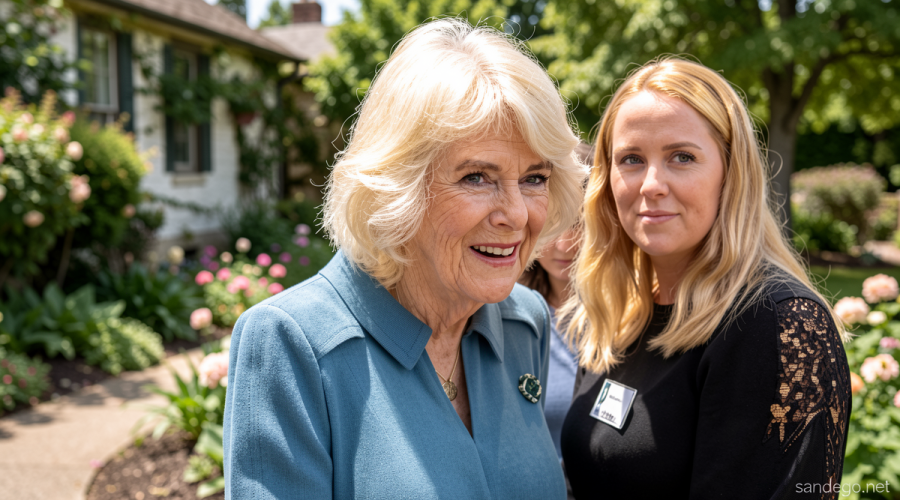
Sandego.net – In a candid moment captured for a charity documentary marking three decades of cancer support work, Queen Camilla described the emotional strain of carrying her husband’s medical news in complete silence for days. The Queen, who serves as president of the Maggie’s charity, recalled visiting a newly opened cancer support center at London’s Royal Free Hospital on January 31, 2024, mere days before the royal household made its formal announcement about King Charles III’s cancer diagnosis on February 5. The short film, released on Wednesday to coincide with Maggie’s 30th anniversary, offered an unusually intimate glimpse into the private pressures that accompany royal medical disclosures.
The Weight of Unspoken Words
Camilla explained that the visit fell in the narrow window between her husband’s diagnosis and the public announcement, a period when no member of the household could speak freely about what had happened. The constraint was not merely procedural; it was, in her words, a deeply personal trial.
“I remember coming to see a Maggie’s just after the King being diagnosed. Nobody could say anything at the time. That was quite difficult.”
She went further, admitting she nearly broke the silence during the visit itself.
“I almost said something but, you know, I felt that it wasn’t the time to say. I was just longing to let it out but obviously I couldn’t.”
The remarks underscore a dimension of royal life rarely examined: the obligation to absorb personal crisis without externalizing it until the institution deems the moment appropriate. For a spouse who has walked beside the monarch for decades, that enforced quiet carries a particular emotional cost.
A Charity at Its Anniversary
Maggie’s, founded in 1994, operates 27 cancer support centers across the United Kingdom and assists hundreds of thousands of people affected by the disease each year. The organization provides practical help, emotional support, and a sense of community to patients, families, and carers navigating treatment. Its 30th anniversary made the timing of the film both commemorative and, inadvertently, deeply personal for the Queen, whose own family had just entered the very world the charity exists to serve.
Camilla’s role as president of Maggie’s predates the diagnosis. She has long championed the organization’s work, and her presence at the Royal Free center in January 2024 was part of that ongoing patronage. The coincidence of timing transformed a routine charitable engagement into something far more layered.
Charles’s Return and Continued Treatment
The King, now 77, announced his cancer diagnosis following a prostate procedure. He resumed public-facing royal engagements in April 2024, signaling a return to duty after a period of recovery. In December of last year, he issued a rare personal update confirming that he had responded well to treatment, though the specific form of cancer remains undisclosed. As of the latest available information, he continues to receive ongoing treatment.
Camilla, in the documentary, framed her husband’s approach to illness in terms of quiet determination rather than public spectacle.
“Nothing stopped him. He just said, ‘This is my way. I’m going to cope with it.'”
She referred to him affectionately as her “poor husband,” a phrase that conveyed both tenderness and the shared burden of managing a serious diagnosis while maintaining the machinery of the Crown.
Transparency and Its Ripple Effects
Laura Lee, chief executive of Maggie’s, appeared in conversation with Camilla for the documentary. In a statement, Lee reflected on the significance of hearing the Queen articulate her own feelings while already aware of the King’s condition.
“To hear her speak so powerfully of her own emotions when visiting our Royal Free center, while knowing about His Majesty’s diagnosis, is a huge honor.”
Lee also drew attention to the broader cultural shift the King’s openness has prompted. By naming his diagnosis publicly and later confirming his response to treatment, Charles broke with a longer tradition of royal medical discretion. Lee observed that this candor has encouraged others to speak more freely about their own experiences with cancer, and that hearing the Queen’s natural, understandable reaction as a wife highlights why family members and close friends require their own dedicated support structures alongside the patient.
Why the Moment Matters
The film arrives at a moment when public appetite for royal transparency continues to grow. Each successive generation of monarchs has moved incrementally toward greater openness about health, from the Queen Mother’s wartime broadcasts to the current King’s willingness to discuss treatment. Camilla’s willingness to describe her own near-slip of the tongue, her longing to speak, and her ultimate restraint adds a human texture to that trajectory. It reminds viewers that behind every institutional announcement there is a spouse, a household, and a period of enforced quiet that no public schedule prepares them for.
For the hundreds of thousands of people Maggie’s supports annually, the Queen’s words carry an additional resonance: they normalize the experience of watching someone you love face a diagnosis while you yourself must wait, hold your tongue, and find your own footing. The charity’s anniversary film, intended to celebrate three decades of advocacy, thus became, through circumstance, a small but powerful meditation on solidarity, silence, and the courage required to speak at last.
Related Reading
Frequently Asked Questions
What is Queen Camilla says it was difficult?
Queen Camilla says it was difficult is the main topic of this guide. The article explains the context, practical details, and next steps readers should understand.
Why does Queen Camilla says it was difficult matter?
Queen Camilla says it was difficult matters because readers are looking for a useful answer, not just a short summary. Good content should match search intent and help them decide what to do next.