a and Venezuela Sandego.net – Nicaragua s Ortega said he will end elections, a move that has sparked debate about why Washington is not responding as
Why US Treats Nicaragua Differently Than Cuba and Venezuela
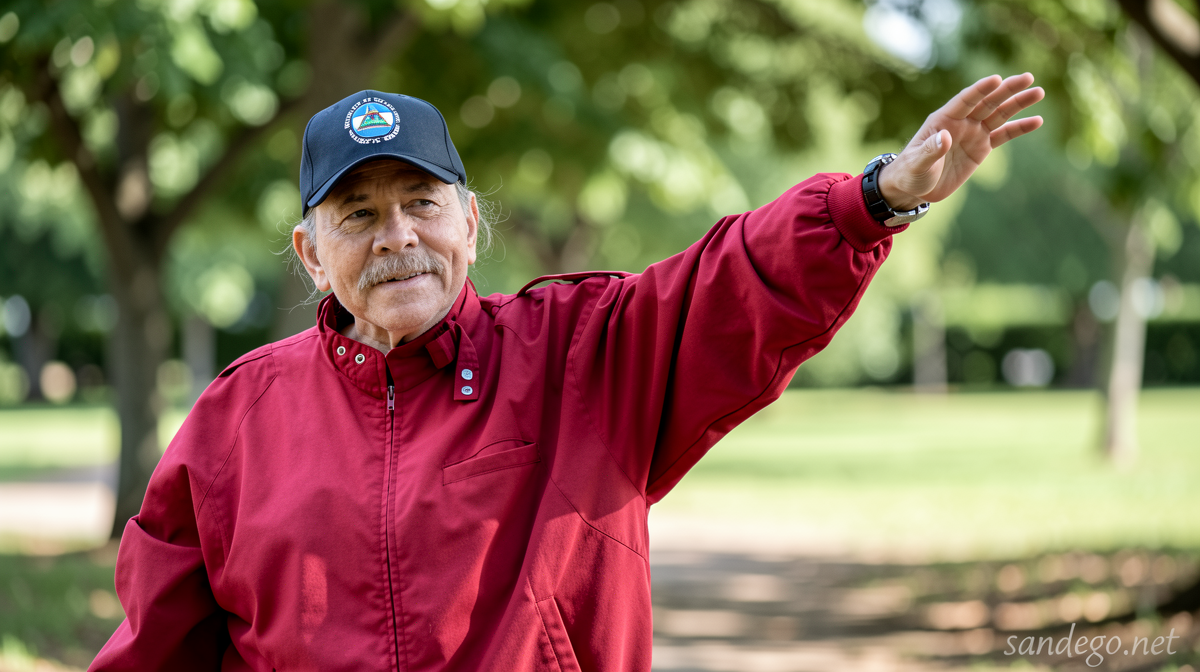
Sandego.net – Nicaragua s Ortega said he will end elections, a move that has sparked debate about why Washington is not responding as forcefully as it did with Cuba and Venezuela. Following the dramatic capture of Venezuela’s president in January and heightened economic pressure on Cuba, many expected Nicaragua to face similar treatment. Instead, the US has maintained a measured approach toward the Central American nation, where co-presidents Ortega and Murillo have eliminated future electoral contests. This restraint has surprised international observers who anticipated a more aggressive stance.
Diplomatic Cooperation and Sanctions
Managua has demonstrated willingness to cooperate with American regional objectives through several calculated actions. After the Venezuelan operation, Nicaragua released numerous detainees at Washington’s request. The government also reimposed visa requirements for Cuban citizens, helping to reduce migration flows toward North American territories. These gestures signaled a pragmatic approach to maintaining relations with the United States.
Sanctions introduced in April targeted two children of the ruling couple, directly challenging the Ortega-Murillo political dynasty. Secretary of State Marco Rubio criticized the electoral abolition announcement but stopped short of calling for complete governmental change—a position he has firmly taken regarding Cuba. This measured criticism reflects a broader strategy of incremental pressure rather than immediate intervention.
Expert Perspectives on Regional Strategy
For Marco Rubio, Cuba matters much more than Nicaragua. Also, Nicaragua does not have Venezuela’s natural resources.
Professor Kai Thaler from the University of California, Santa Barbara’s Department of Global Studies emphasized these key differences. He explained that Nicaragua’s political structure contrasts sharply with Venezuela’s, where Delcy Rodriguez emerged as a clear successor after President Nicolas Maduro’s capture. According to Thaler, Ortega and Murillo have systematically eliminated potential leadership alternatives within their country.
Manuel Orozco, director of the Migration, Remittances, and Development Program at the Inter-American Dialogue, added important context. He noted that Washington prefers gradual transformation over sudden intervention, seeking to avoid triggering mass migration or severe repression. The Sandinista administration, which has governed since 2007, currently faces neither economic crisis nor widespread street protests.
Ortega’s Calculated Messaging
Ortega’s public statements reveal a careful balancing act between domestic and international audiences. In April, he described American sanctions against his children as “mentally deranged.” Three months later, he announced the termination of electoral processes and called Maduro’s detention a “monstrosity.” Speaking to supporters on Monday, the nearly twenty-year ruler emphasized that ending elections would prevent opposition forces from gaining power.
One interpretation is that the political inertia in the Murillo and Ortega dictatorship will generate internal conflict, an economic slowdown, a possible social protest where (the US) can leverage its pressure. But not the other way around.
Thaler observed that Ortega’s confident rhetoric suggests he believes Washington will not prioritize Nicaragua. Orozco interpreted the April comments as primarily aimed at domestic audiences, describing them as symbolic gestures rather than meaningful policy changes. He pointed out that despite anti-imperialist posturing, Nicaragua has not shown genuine solidarity with Venezuela or Cuba in either words or diplomatic actions.
Looking Forward: Strategic Patience
The current situation enables the Ortega-Murillo government to exploit favorable conditions while maintaining minimal visibility. Orozco stressed that American pressure works through consistent, incremental sanctions rather than dramatic interventions. He cautioned against misreading this approach as evidence that Nicaragua follows Venezuela and Cuba in line for direct American action.
If it intervenes at this moment, it is not known what the effect on a political transition would be.
Without established opposition structures or popular mobilization, any American removal of the current leadership would create significant uncertainty. The administration’s strategy of patience appears to be working, as Washington continues to evaluate the most effective path forward without precipitating unintended consequences in the region.
Related SEO Topics
- Home
- Artikel terkait Nicaragua s Ortega said he will
- Speaker Johnson muscles through plan to fund Iran war and promote Trump’s ‘SAVE America Act’
- Two states are the top contenders for the first spot on Democrats’ 2028 primary calendar
- Watch an orca ram a sunfish so hard that the fish explodes
- GOP chair of House Judiciary Committee asks Justice Department to consider prosecuting Jack Smith
Frequently Asked Questions
What is Nicaragua s Ortega said he will?
Nicaragua s Ortega said he will is the main topic covered in this article, with practical context to help readers understand the subject clearly.
Why does Nicaragua s Ortega said he will matter?
Nicaragua s Ortega said he will matters because it helps readers compare options, avoid common mistakes, and make a more informed decision.
How should readers use this Nicaragua s Ortega said he will guide?
Use the key points, examples, and related links in this page as a starting point, then review the latest details before making a final decision.