James Talarico Blasts Trump FCC Over Kimmel Interview
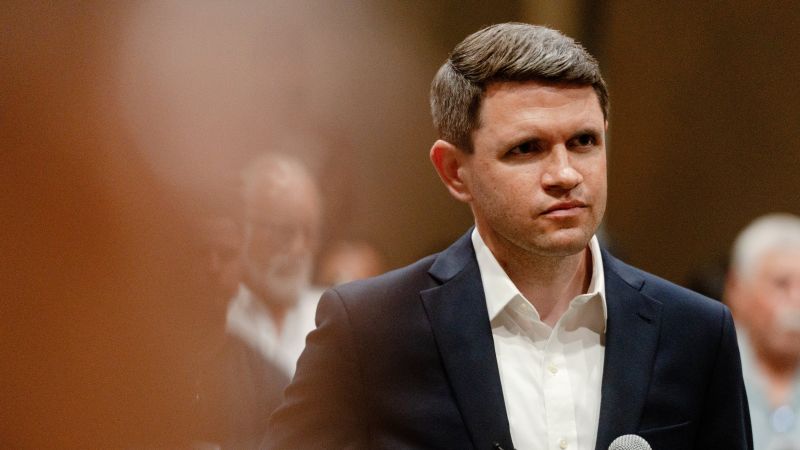
Sandego.net – James Talarico blasts Trump FCC pressure as a dangerous form of cancel culture after his planned interview with Jimmy Kimmel was moved from broadcast television to YouTube. The Texas Democratic Senate candidate said the dispute raises serious concerns about political speech and government influence over media.
Kimmel told viewers that Talarico’s interview, originally set for ABC’s late-night lineup, would instead be released on YouTube on Thursday night. The change came amid Federal Communications Commission scrutiny of television programs featuring political candidates.
The FCC is led by Chairman Brendan Carr, who has questioned whether some entertainment and talk programs should receive exemptions from the agency’s equal-time requirements. Kimmel, a frequent critic of President Donald Trump, said the administration’s FCC had pressured him, his show, ABC, and local affiliates.
“Now that he’s president, his FCC has threatened me, threatened our show, threatened our network,” Kimmel said.
Equal-Time Rules at the Center of the Dispute
The FCC’s equal-time rule generally requires broadcast television and radio stations that provide free airtime to one candidate to offer comparable access to other qualified candidates in the same race. In Talarico’s Senate contest, that would include Republican Senate nominee Ken Paxton.
News programming has traditionally received broad exemptions from the rule, and late-night and daytime talk shows have generally been treated as qualifying programs for roughly two decades. Carr has challenged how broadly those exceptions should apply, particularly when shows feature political figures who criticize Trump.
Earlier this year, the FCC opened an inquiry involving ABC’s “The View” after Talarico appeared during the Democratic primary. Following that inquiry, CBS instructed Stephen Colbert to comply with equal-time requirements for an interview with Talarico. Colbert said he had never faced such a demand in 21 years hosting his program and also moved the interview to YouTube.
Why the Interview Is Moving to YouTube
YouTube does not use licensed public broadcast airwaves, so it is not regulated by the FCC in the same way as broadcast television. Kimmel presented the platform as a practical alternative while the dispute over candidate interviews continues.
“And thank goodness we have that,” Kimmel said of YouTube, calling it “the best that we can do until November.”
The move highlights a widening divide between traditional broadcasters and online video services. Broadcast outlets operate under rules connected to their use of public spectrum, while digital platforms offer candidates and media companies a way to distribute interviews outside those regulations.
James Talarico blasts Trump FCC actions because he believes the pressure could make broadcasters more reluctant to invite candidates or cover political issues. Critics, including former FCC officials from both parties, have argued that the agency is applying scrutiny selectively to programming viewed as unfriendly to Trump.
Anna Gomez, the FCC’s only Democratic commissioner, said the developments reflected a troubling pattern that could encourage ABC and its programs to provide content favored by the administration. Carr did not comment Thursday. The White House rejected Kimmel’s account and said Carr had not threatened Kimmel over Talarico’s interview or any other candidate appearance.
FAQ for Texas Voters
Why does this matter to Texas voters? Talarico is a Texas Democratic Senate candidate, and the dispute affects how voters may see or hear from candidates during an election season.
Does the FCC regulate YouTube interviews? The FCC’s broadcast rules are tied to licensed television and radio airwaves. Online video platforms such as YouTube are not governed by those broadcast regulations in the same way.
What is the equal-time rule? It is an FCC rule that generally requires broadcast stations giving free airtime to one candidate to provide comparable opportunities to qualified opponents in the same race.