
Israel’s military and tech combat Hezbollah’s drone threat
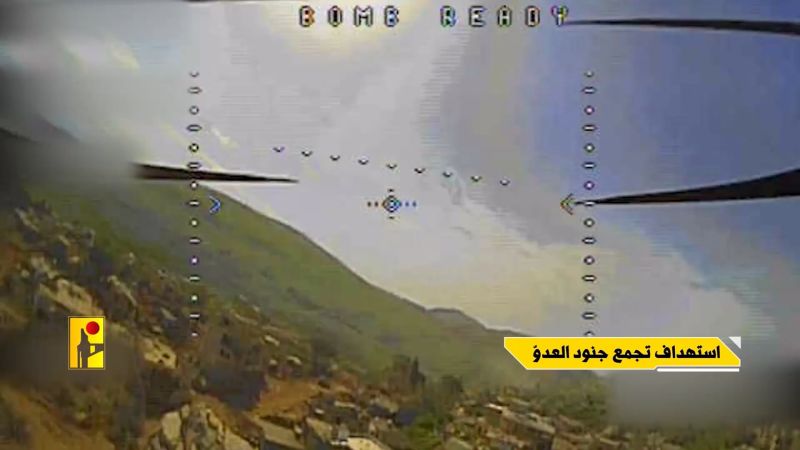
Sandego.net – Israel’s military and tech sector are intensifying efforts to address Hezbollah’s growing use of advanced drone technology. The Lebanese militant group has increasingly relied on these unmanned aerial systems to conduct precision strikes on Israeli military positions and infrastructure. Drones equipped with fiber-optic cameras allow operators to guide them with real-time visual feedback, making them highly effective in evading detection and striking critical targets with minimal warning. As the conflict escalates, Israel’s military and tech industries are working in tandem to develop innovative countermeasures and strengthen defenses against this evolving threat.
The Asymmetric Edge of Hezbollah’s Drones
Hezbollah’s drone strategy exemplifies the power of asymmetric warfare, where small, inexpensive systems outmatch traditional military capabilities. These fiber-optic FPV (first-person view) drones are designed to operate covertly, using a physical tether to connect to their pilots and bypass electronic jamming. This method has allowed Hezbollah to launch attacks on Israeli forces in southern Lebanon and northern Israel, often catching them off guard. The impact is significant, with Israeli casualties attributed to drone strikes increasing as the group refines its tactics and deploys larger numbers of these machines.
According to military reports, the drones have been responsible for a third of all casualties in the region since March. Their ability to strike from low altitudes and avoid radar detection has forced the IDF to rethink its approach. While physical barriers like mesh netting and close-range weapons provide some defense, the primary challenge lies in detecting the drones before they reach their targets. This has led to urgent demands for technological solutions that can identify and neutralize the threat more effectively.
Israel’s Tech-Driven Defense Strategies
Israel’s military and tech collaboration is driving the development of cutting-edge defense systems. Companies are now producing advanced sensors and AI-driven tools to track and intercept Hezbollah’s drones. One such innovation involves integrating multiple data sources to create a comprehensive monitoring network, enabling earlier identification of incoming threats. These systems, tested in real-world scenarios, have shown promise in tracking both friendly and hostile drones in low-altitude airspace, offering a critical edge in the ongoing battle for air superiority.
Additionally, Israel’s military and tech firms are exploring non-radio frequency sensors and laser-based interception methods. These technologies aim to counter the stealth capabilities of Hezbollah’s drones, which rely on fiber-optic cables to avoid detection. The IDF has also partnered with private companies to deploy portable systems that can be rapidly deployed in high-risk areas. By combining military expertise with tech innovation, Israel’s military and tech sector are striving to create a robust defense against the relentless drone attacks.
Global Lessons and Local Solutions
Hezbollah’s use of drones has drawn attention from global military analysts, who cite the Ukraine conflict as a key influence. Ukrainian officials warned that these systems could revolutionize asymmetric warfare by enabling low-cost, high-impact strikes. Despite these warnings, Israel’s military and tech sector initially lagged in adopting similar strategies. However, recent events have accelerated their response, with the Israeli military and tech industry now collaborating to implement solutions tailored to Hezbollah’s tactics.
“The drone threat is a challenge, but we will overcome it,” said Eyal Zamir, chief of staff of the Israeli military. “Operational and technological solutions are being developed and implemented.”
This statement underscores the commitment of Israel’s military and tech leaders to addressing the crisis. The integration of civilian technology, such as systems used by the Miami Police Department, highlights the broader trend of leveraging commercial innovations for military applications. As Hezbollah continues to refine its drone capabilities, Israel’s military and tech sector must remain agile in their response to maintain an upper hand in the conflict.