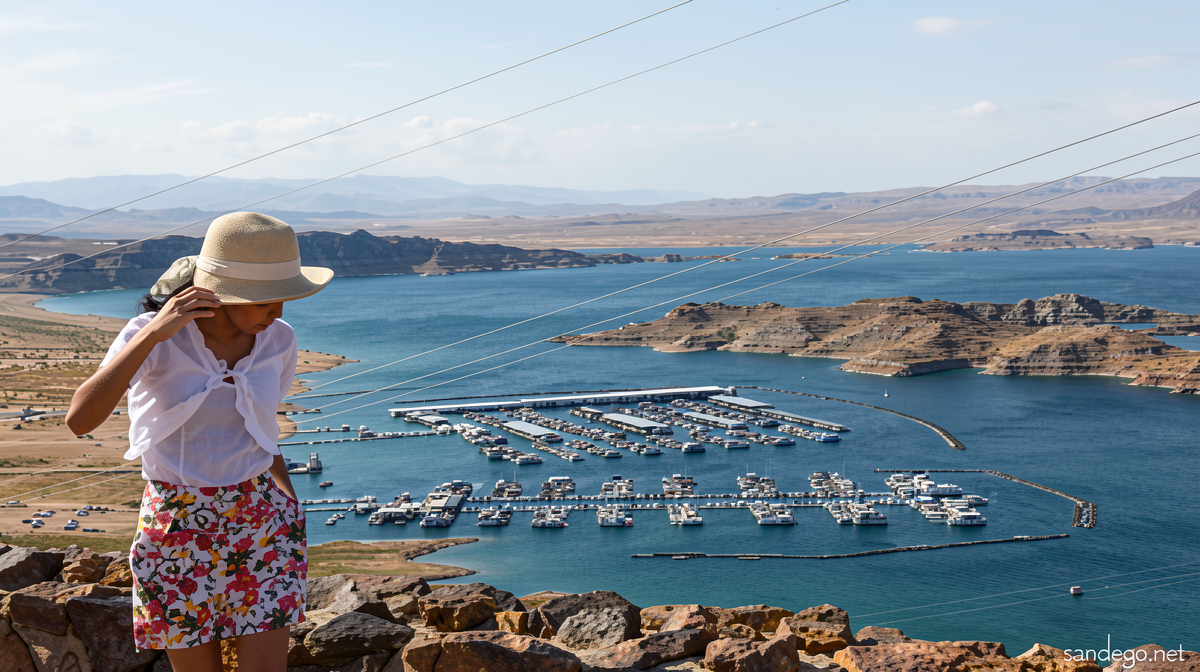
Historically low water level in two crucial: Historically Low Water Level in Two Reservoirs Threatens Southwest Water Supply Sandego.net – The Colorado
Historically Low Water Level in Two Reservoirs Threatens Southwest Water Supply
Sandego.net – The Colorado River basin is facing an unprecedented hydrological crisis as water levels in two of the region’s most critical reservoirs have reached historically low levels. Lake Mead and Lake Powell, which together store the majority of the Colorado River’s water, have both dropped to their lowest points in nearly seven decades. This historically low water level in two major reservoirs is now threatening the water supply and electricity generation for millions of residents across seven states in the American Southwest.
According to a comprehensive analysis released by a panel of five prominent water experts last week, the water levels in both Lake Powell and Lake Mead shattered a previous benchmark established back in March of 2023. By July 12, measurements indicated that Lake Powell had dropped to 3,524 feet, while Lake Mead sat just beneath the 1,043-foot mark. These figures represent a dramatic decline from normal levels and signal a potential tipping point for the entire Colorado River system.
A Historic Milestone for Water Storage
When viewed collectively, these two massive bodies of water have not dipped to such depths since the year 1957, a period predating the existence of Lake Powell itself and coinciding with the construction of the Glen Canyon Dam. This convergence of low levels represents a significant turning point for the region’s hydrology. Jack Schmidt, who serves as the director of the Center for Colorado River Studies at Utah State University and contributed to the recent analysis, characterized the event as a major historical marker.
“We are witnessing a once-in-a-generation event that will reshape how we manage water resources in the American West,” Schmidt stated during a press conference in Salt Lake City. “The implications extend far beyond immediate water shortages—they affect energy production, agriculture, and urban development for decades to come.”
Impact on Power Generation and Water Supply
The declining water levels pose immediate threats to hydroelectric power generation at both reservoirs. Lake Powell’s Glen Canyon Dam and Lake Mead’s Hoover Dam together produce approximately 10,000 megawatts of electricity, enough to power millions of homes. As water levels continue to fall, the turbines at both facilities are operating at reduced capacity, potentially leading to rolling blackouts in affected areas during peak demand periods.
Water delivery to downstream communities is also at risk. The Bureau of Reclamation has warned that if levels continue to drop, states may need to implement emergency conservation measures. Arizona, Nevada, and California—three of the seven Colorado River states—could face significant reductions in their annual water allocations. Agricultural operations in the Imperial Valley and Coachella Valley, which depend heavily on Colorado River water, are particularly vulnerable to further cuts.
Urban centers including Las Vegas, Phoenix, and Los Angeles are already implementing voluntary conservation programs. Las Vegas has invested billions in water infrastructure improvements, including the Las Vegas Valley Water District’s deep-water tunnel project, which draws water from below the current reservoir levels. However, experts warn that these measures may only provide temporary relief if the drought conditions persist.
The situation has prompted calls for long-term solutions, including expanded water recycling, desalination projects, and potential changes to water allocation agreements. Some policymakers are advocating for a comprehensive review of the Colorado River Compact, which governs water distribution among the seven basin states and has remained largely unchanged since its establishment in 1922.
As the summer progresses, meteorologists are monitoring weather patterns that could influence future precipitation. While El Niño conditions may bring increased rainfall to parts of the Southwest, the overall trend points toward continued water stress. The coming months will be critical in determining whether the region can stabilize its water resources or if further declines are inevitable.
Related SEO Topics
Frequently Asked Questions
What is Historically low water level in two crucial?
Historically low water level in two crucial is the main topic covered in this article, with practical context to help readers understand the subject clearly.
Why does Historically low water level in two crucial matter?
Historically low water level in two crucial matters because it helps readers compare options, avoid common mistakes, and make a more informed decision.
How should readers use this Historically low water level in two crucial guide?
Use the key points, examples, and related links in this page as a starting point, then review the latest details before making a final decision.