Fury in India as its sailors die in U.S.-Iran clash
Sandego.net – The recent U.S. missile strike that killed three Indian seafarers has ignited public outrage in the nation, casting doubt on the safety of Indian workers in international waters. The incident, occurring in the Sea of Oman, is the first confirmed fatality of Indian crew members in a U.S. military operation targeting Iranian vessels. This event has intensified diplomatic tensions with Washington, as Indian officials demand accountability for the lives lost during the conflict between the United States and Iran.
Collateral Damage in a High-Stakes Conflict
The attack on the Palau-registered oil tanker M/T Settebello took place while the vessel was en route to a strategic port, with its engine room destroyed by precision munitions. The resulting fire forced a complex rescue effort, leaving three Indian sailors among the 28 crew members on board. The Indian foreign ministry has condemned the strike, highlighting the vulnerability of its nationals in the current geopolitical climate.
U.S. military officials defended the operation, stating that the crew was ordered to halt movement due to their alleged involvement in Iran’s maritime supply chain. Despite repeated warnings, the strike proceeded, raising questions about the operation’s precision and its impact on innocent lives. This has led to growing frustration over the lack of clear communication and the potential for Indian workers to be caught in crossfire.
India’s Diplomatic Response and Strategic Tensions
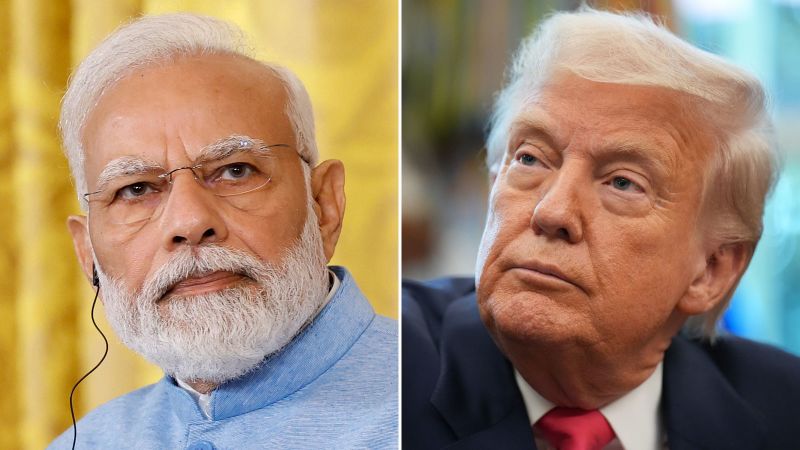
India’s foreign ministry has called for a thorough investigation into the incident, urging Washington to address the concerns of its citizens. Spokesperson Randhir Jaiswal emphasized the need for accountability, as the government summoned U.S. officials to discuss the matter. The timing of the strike is particularly sensitive, with Prime Minister Narendra Modi set to meet U.S. President Donald Trump at the G7 summit, where diplomatic relations are under scrutiny.
Modi’s government faces pressure to balance its strategic partnership with the U.S. against the welfare of its overseas workers. Opposition parties have criticized the administration for not taking a stronger stance, arguing that the incident undermines India’s credibility in global diplomacy. The emotional toll on families, such as Rajesh Sharma, whose son perished in the attack, has also amplified public demand for transparency and action.
A Pattern of Attacks on Indian Seafarers
Just days before the Settebello strike, the U.S. targeted the M/T Marivex, rescuing 24 Indian sailors from an attack in the same region. This follows another incident involving the Guinea-Bissau-flagged M/T Jalveer, where missiles struck the vessel for allegedly transporting Iranian oil. While no casualties were reported in the Jalveer case, the cumulative effect of these strikes has deepened anxieties among Indian maritime workers.
Experts warn that the frequency of such attacks risks destabilizing India’s maritime trade networks, which rely heavily on seafarers from the country. Political scientist Kanti Bajpai noted that the strikes could strain India’s alliance with the U.S., which has been a key pillar of its security and economic strategy. The Modi government now faces a critical test in maintaining this balance while addressing the crisis.
Call for Transparency and Global Accountability
Indian unions have demanded that the government take a firm position, stressing the need for clarity on how the sailors were targeted. The Centre of Indian Trade Unions urged Modi to publicly denounce the strike, emphasizing that Indian laborers are often overlooked in international conflicts. This has sparked a broader conversation about the role of India’s seafarers in global trade and their exposure to political risks.
As families await answers, the incident underscores the human cost of escalating tensions between major powers. With over 300,000 Indian seafarers working worldwide, the attack has highlighted the delicate interplay between national interests and the safety of overseas workers. The demand for transparency grows louder, with many questioning whether the U.S. strike was a calculated move or an unintended consequence of the ongoing rivalry.
Global Implications for India’s Maritime Workforce
India’s seafarers are pivotal to global trade, with many employed on foreign-flagged vessels in high-risk regions. The recent strikes have raised concerns about the security of these workers, who are often unaware of the geopolitical stakes they face. As the U.S. continues its campaign against Iranian shipping, the Indian maritime community now calls for stronger safeguards and international collaboration to protect its citizens.
Analysts argue that the incident could reshape India’s approach to military partnerships, pushing the government to prioritize the safety of its laborers. The emotional and economic impact of these losses has created a moment of reckoning, forcing India to weigh its strategic alliances against the human cost of conflict. As the situation evolves, the focus remains on ensuring that Indian sailors are not left as casualties in the crossfire of global power struggles.