Mexico’s World Cup Traditions: From The Wave to Ole Ole
Sandego.net – As the 2026 World Cup looms, Mexico’s unique football culture is once again taking center stage, blending iconic rituals like the Mexican Wave with passionate chants such as “Ole, Ole, Ole.” These traditions, deeply rooted in the nation’s identity, have become a defining feature of global soccer spectacles. The wave, now a worldwide phenomenon, was first popularized in Mexico during the 1986 World Cup, while the chant has evolved into a symbol of collective unity. This fusion of movement and sound captures the essence of Mexican footballing spirit, offering an immersive experience for fans and visitors alike.
The Mexican Wave: A Global Soccer Ritual
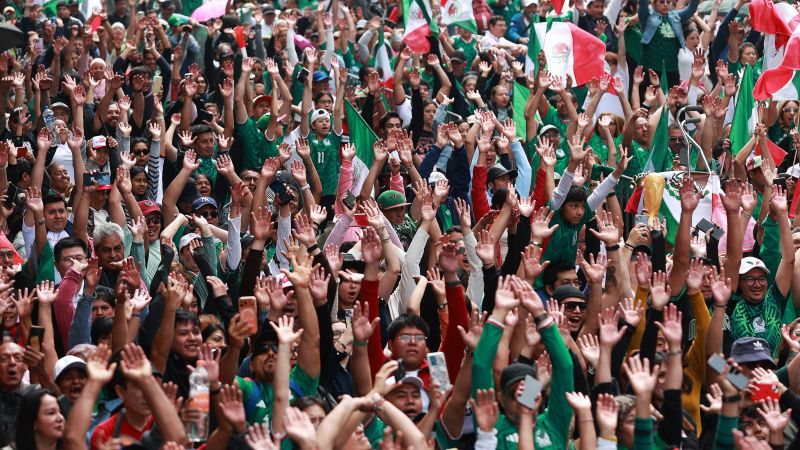
The Mexican Wave, though often mistaken for an American invention, traces its origins to Mexico’s fervent fans. During the 1986 World Cup, the ritual surged in popularity, becoming a symbol of the country’s passion for the game. The 2026 World Cup in Mexico City aims to recreate this spectacle, with organizers vying to set a new record for the largest wave. While the Guinness World Records team called the previous attempt “unsuccessful,” the visual impact of thousands of fans moving in unison remains unforgettable, showcasing Mexico’s ability to turn sports into a cultural performance.
The wave is not just a crowd activity; it’s a cultural phenomenon that embodies the energy of Mexican football. Whether in bustling stadiums or international arenas, fans use this movement to express their collective pride. The tradition’s evolution from a simple gesture to a globally recognized emblem highlights its significance. As the 2026 tournament approaches, the anticipation for this display of unity is palpable, promising a vibrant experience for all who attend.
The Rhythm of the Crowd: Music and Sound in Soccer
From The Wave to Ole Ole, Mexican fans elevate the game with music and noise. The soundtrack of a match in Mexico is a blend of cumbia, banda, and corridos, creating an atmosphere that turns stadiums into dance floors. Gabriela, a vendor at Toluca’s stadium, noted that the genre of music drastically influences fan engagement, with certain styles fostering deeper emotional connections. This auditory experience, combined with rhythmic claps and chants, ensures that every game feels like a communal celebration.
Supporters also employ instruments like matracas and cornetas to amplify the atmosphere. These tools, which produce loud, percussive sounds, are staples of Mexican football culture. However, the World Cup has introduced noise regulations to manage the volume. Mexican authorities have banned matracas and cornetas, aiming to balance excitement with crowd control. Despite these rules, the essence of From The Wave to Ole Ole remains undiminished, as fans continue to express their enthusiasm through music and movement.
Chants That Echo Through Time
Among the most iconic chants in Mexican football is “Chiquitibum,” which gained international recognition during the 1986 World Cup. Its catchy rhythm and repetitive syllables have since become a rallying cry for fans, echoing through stadiums as a symbol of support. The chant’s simplicity allows it to be universally adopted, reinforcing the unity that defines the nation’s football culture. From The Wave to Ole Ole, these traditions transcend language, uniting supporters in shared joy and pride.
Other chants, like “Ole, Ole, Ole,” have also become staples, often used to drown out opposing team noise and energize the crowd. The power of these chants lies in their ability to connect fans to the game and to each other. As the 2026 World Cup nears, the revival of such traditions will undoubtedly draw attention, offering a glimpse into the rich heritage of Mexican football. This blend of cultural expression and sportsmanship cements Mexico’s place as a global soccer power.