Justice Delivered: Castellucci Receives Twelve-Year Term for Genoa Bridge Catastrophe
A Verdict That Echoes Through Italian Courts
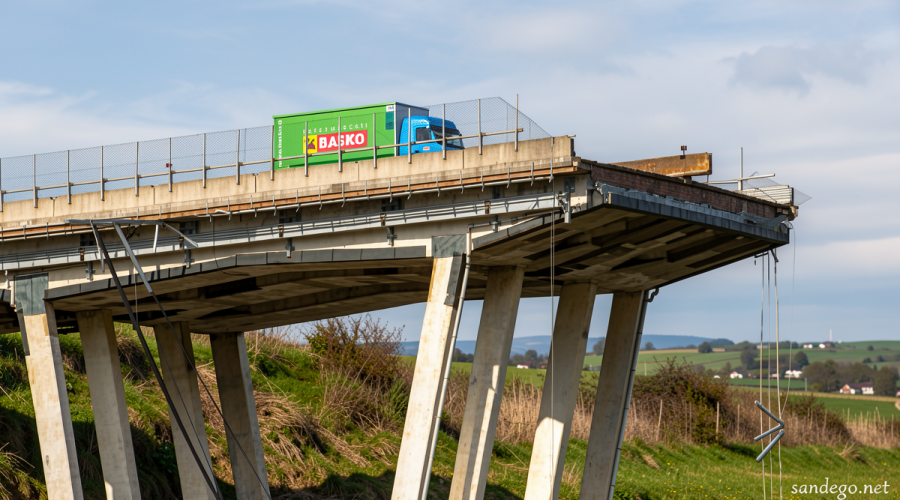
Sandego.net – An Italian judicial body has handed down a significant sentence to Giovanni Castellucci, the former chief executive of Atlantia, who was found guilty of responsibility for the tragic 2018 collapse of a major motorway bridge in Genoa. The northwestern Italian port city witnessed one of its darkest days when the structure gave way, claiming forty-three lives as vehicles tumbled from the elevated roadway. Castellucci received a twelve-year prison term as the court concluded its examination of this high-profile case that has come to represent both the pursuit of accountability and the notoriously gradual nature of Italian criminal proceedings.
The legal framework in Italy allows for at least two levels of appeal following a first-instance ruling, meaning the verdict may face further scrutiny before becoming final. Notably, Castellucci was absent from the courtroom when the judgment was announced. He is currently incarcerated, serving a separate six-year sentence connected to another fatal accident that occurred in 2013 on a viaduct located in southern Italy. His absence did not diminish the gravity of the proceedings, which drew considerable public attention and emotional investment from those affected by the disaster.
The Human Cost and Legal Proceedings
Relatives of the victims filled the courtroom galleries, eager to witness the culmination of years of legal deliberation. Their presence underscored the deeply personal dimension of a case that transcended mere corporate liability. Fifty-seven individuals faced trial in total, comprising a diverse group of company executives, structural engineers, and government officials from the transport ministry. The charges brought against them were severe, including multiple counts of manslaughter alongside allegations of criminal negligence that suggested systemic failures rather than isolated incidents.
The Morandi bridge, which had stood for fifty-one years before its dramatic failure, collapsed during an intense summer storm on the evening preceding a national holiday. The catastrophic event sent shockwaves throughout Italy, prompting extensive investigations into how the nation’s aging infrastructure was managed and maintained. A massive fifty-meter section of the bridge—approximately one hundred and sixty feet in height—plunged downward, carrying with it as many as thirty-five vehicles that were traveling across the structure at the moment of collapse. These vehicles fell onto warehouses and a riverbed situated far below, compounding the devastation.
Corporate Responsibility and Infrastructure Management
The disaster triggered a protracted dispute between Atlantia, the holding company controlled by the influential Benetton family, and the Italian government of that period. This conflict ultimately resulted in Atlantia divesting its controlling stake in Autostrade per l’Italia, the motorway operator that was responsible for the bridge’s maintenance at the time of the tragedy. Atlantia had been the controlling shareholder when the collapse occurred, making it a central figure in the subsequent legal and political fallout.
Prosecutors presented a compelling narrative suggesting that years of insufficient maintenance, overlooked warning indicators, and postponed safety interventions collectively contributed to the bridge’s failure. They argued that critical repair work was deliberately delayed while the company continued to generate and distribute profits to shareholders. This theory positioned the disaster not as an unavoidable accident but as a preventable consequence of corporate priorities taking precedence over public safety.
Defense attorneys mounted a vigorous counterargument, contending that the catastrophe stemmed from an inherent design flaw in the bridge’s stay cable number nine—the specific cable that ultimately failed. According to their position, no maintenance program, regardless of how rigorous or frequent, could have anticipated or prevented such a structural defect from manifesting under extreme weather conditions.
Looking Forward: A Commitment to Prevention
In the wake of the verdict, leadership within Autostrade has sought to acknowledge the suffering caused and demonstrate a renewed commitment to excellence. The current chief executive of Autostrade issued a public statement on Wednesday, reaffirming the company’s dedication to ensuring that history does not repeat itself.
“I wish to apologize to the victims’ families, to the people of Genoa, and to all Italians for the suffering caused by the tragic Morandi disaster, fully aware that our gesture can never erase their pain,” wrote Autostrade CEO Arrigo Giana in his open letter.
The sentencing of Castellucci represents only one chapter in a broader story of reckoning. As Italy continues to grapple with the implications of this tragedy, the case serves as a powerful reminder of the consequences when infrastructure management fails and the enduring quest for justice that follows such profound loss.