Ceuta Grapples With Aftermath of Border Surge
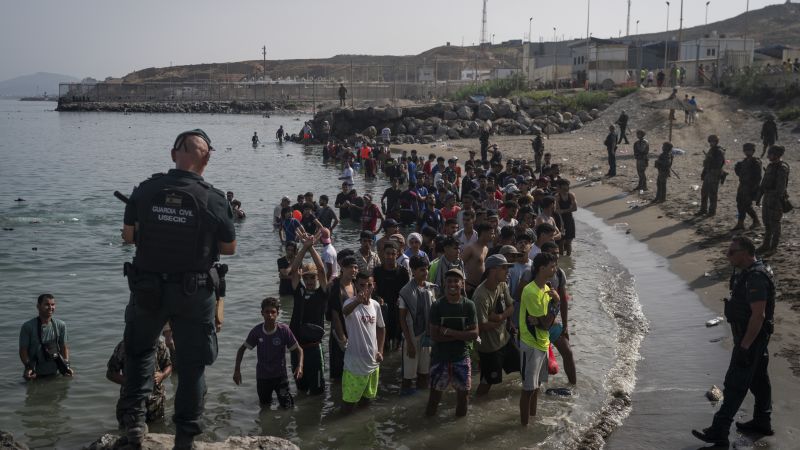
Sandego.net – The Spanish enclave is recovering from one of its most dramatic days in recent memory. While thousands of migrants have already returned to Morocco, the city of 84,000 residents continues to process the emotional and political weight of the weekend’s events. The unprecedented crossing saw between 50,000 and 60,000 people, mostly young men, swim and climb into the territory over Thursday and Friday.
Human Toll and Response
Spanish authorities confirmed that at least 72 people died during the crossing. Many drowned in the waters, while others were crushed in a stampede trying to scale a breakwater. The tragedy has reignited debates across Europe about immigration policy and how member states should respond to such crises. Spanish leaders have criticized what they called a selfish approach from other EU countries as the death toll continues to climb.
Morocco’s Interior Ministry announced that roughly 40,000 people traveled toward Ceuta during the week. Officials attributed the surge to false information spread online, exploitation by trafficking networks, and confusion about legal procedures. The sudden influx increased Ceuta’s population by more than fifty percent in just two days.
Community Voices and Political Tensions
Local residents have expressed mixed feelings about the situation. Mohamad Abdelkader Driss, a 44-year-old waiter at a fried fish restaurant, told reporters that young men should not be blamed.
If you open the border, of course everyone comes in, but the young men aren’t to blame. The authorities are responsible.
Driss noted that most migrants behaved calmly despite the chaos.
It could have been much worse,
he said, relieved that violence did not break out.
The weekend also brought Spanish politicians and commentators with anti-immigration views to the city. Their arrival sparked counterprotests from Ceuta’s large Muslim community, many of whom trace their roots to Morocco. Alvise Pérez, a Spanish politician and European Parliament member from a far-right party, called for migrant expulsions on Saturday evening. He faced an angry crowd and took shelter in a bar while residents banged on the windows. Police eventually escorted him to safety.
Noor Ahmed, a 20-year-old Ceuta student, criticized the right-wing visitors for exploiting the crisis.
They just want to take advantage of the humanitarian crisis Ceuta is currently experiencing,
Ahmed said.
Santiago Abascal, leader of the Vox party, toured the city on Sunday and accused the Spanish government of failing to protect the borders.
The frontiers of Ceuta and Melilla are the walls of our home and homeland, and they are not being protected by a corrupt and traitorous government,
he declared.
Looking Ahead
Even residents who celebrate Ceuta’s tradition of peaceful coexistence among Christians, Muslims, Jews, and Hindus worry about what they learned this week. Eva Barrientos, a logistics worker, attended Saturday’s protest to see the right-wing figures up close. She expects similar events to happen again and wondered whether some foreign-born residents feel more connected to Morocco than to Spain.
Frequently Asked Questions
How many migrants crossed into Ceuta? Between 50,000 and 60,000 people entered the territory, with Morocco’s Interior Ministry reporting that approximately 40,000 traveled toward Ceuta during the week.
What is the death toll from the crossing? Spanish officials confirmed at least 72 people died, with causes including drowning and being crushed in a stampede.
Who are the main political figures involved? Key figures include Alvise Pérez, who called for expulsions; Santiago Abascal of Vox, who criticized the government; and Noor Ahmed, a local student who spoke out against opportunistic politics.
What caused the surge in migration? Moroccan officials cited false online information, trafficking exploitation, and misunderstandings about legal procedures as primary factors.