FBI’s Crackdown on Unauthorized Drone Flights
Sandego.net – As the FIFA World Cup unfolds across the United States, law enforcement agencies are intensifying efforts to intercept drones flying near restricted areas. A recent incident involving a 26-year-old man from La Porte, Texas, has brought attention to the strict regulations now in place. John Alexander Meza, accused of operating an unregistered DJI Mavic 3 drone without proper authorization, was allegedly caught on June 11 near the opening ceremony of the tournament in Houston. His two-minute flight, reaching an altitude of over 200 feet, violated federal airspace rules, according to a criminal complaint filed by the Southern District of Texas.
The Federal Aviation Administration (FAA) has established “national defense airspace” around stadiums and fan events, effectively creating no-fly zones to prevent potential threats to the World Cup. These zones extend up to three nautical miles from designated locations and 3,000 feet above ground level, requiring operators to seek permission from air traffic control before flying. Meza, who did not have a remote pilot license, failed to comply with these requirements, leading to his legal troubles. Court records indicate he has not yet hired a defense attorney, and he has not responded to CNN’s inquiry about his actions.
Authorities are not only targeting drones near the tournament sites but also enforcing rules against operators using them for unrelated purposes. On June 13, Patrick Phillip Heer, a 34-year-old from Katy, Texas, was observed flying a drone near the FIFA World Cup Fan Zone in Houston. He claimed the flight was intended to capture footage for his partner’s real estate business, though he admitted lacking the necessary licensing. The complaint notes he was aware of temporary flight restrictions but did not verify their status before taking off. His attorney has not provided comments, and the case underscores the broad scope of enforcement.
Expanded Enforcement and Interagency Collaboration
The FBI has taken a leading role in this initiative, seizing over 500 drones since the World Cup began. Special Agent Brett Skiles of the Miami Field Office emphasized the seriousness of the situation, stating,
“Flying in a restricted zone isn’t just dangerous, it’s a federal crime.”
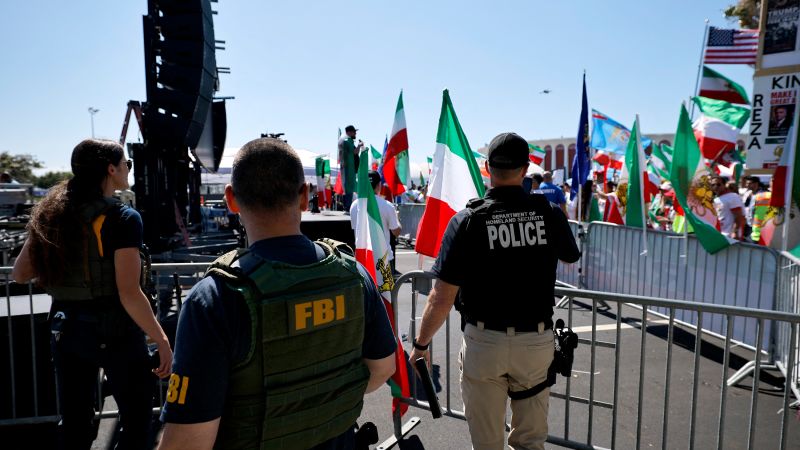
The FBI’s strategy involves working with multiple agencies to monitor and address drone activity, ensuring the safety of fans, athletes, and infrastructure during the event.
Recent footage from the FBI’s Atlanta office shows agents and law enforcement officers examining seized drones and interrogating pilots. These visuals highlight the scale of the operation, with drones being tracked and located using GPS coordinates. One such case involved Lorenzo Rojas-Martinez, who was found flying a drone near Centennial Olympic Park in Atlanta on June 12. The FBI alleges he was not only operating without a license but also had a history of illegal immigration and a prior conviction for distributing cocaine. Rojas-Martinez remains in Immigration and Customs Enforcement custody, with no attorney listed in court records.
Key Locations Under Drone Restrictions
The FAA has designated several high-profile venues as restricted zones, including 11 stadiums hosting World Cup matches. These locations are spread across major cities and include SoFi Stadium in Los Angeles, Levi’s Stadium in the San Francisco Bay Area, Lumen Field in Seattle, and AT&T Stadium near Dallas-Fort Worth. In Houston, NRG Stadium serves as a primary site, with additional restrictions applying to nearby fan events. Other locations under scrutiny are the Los Angeles Memorial Coliseum, Dallas Fair Park, and Rockefeller Center in New York.
The restrictions apply to all aircraft, including drones, within a 3-nautical-mile radius of these venues. This translates to a roughly 3.5 statute mile buffer, ensuring that aerial activity does not interfere with the event’s operations. The FAA also maintains a dynamic list of restricted areas, which may expand as needed. Operators are advised to check the FAA’s website regularly for updates and to ensure compliance with the latest guidelines.
Legal Implications and Operator Responsibilities
Flying drones in restricted zones can result in significant legal consequences. According to the FBI, the seizure of unauthorized drones is part of a broader effort to protect the World Cup from potential disruptions. FBI Director Kash Patel noted in a statement to CNN,
“This is exactly what we envisioned – working with our interagency partners across the board to mitigate the drone threat and keep every game, every fan, and every athlete safe during these historic World Cup matches.”
He also highlighted the ongoing nature of the campaign, stating,
“We’ve still got more to do and will continue working around the clock…”
Operators are expected to register their drones with the FAA and obtain the necessary licenses. The recent cases illustrate the importance of these measures, as even brief flights near restricted areas can lead to arrests. For example, Meza’s two-minute operation in Houston was enough to trigger charges, while Rojas-Martinez’s actions, which included flying without authorization and a history of immigration violations, led to his detention. These examples serve as reminders that drone use must be carefully managed to avoid legal repercussions.
The enforcement of these rules is part of a larger initiative to enhance security during large-scale events. The FAA’s temporary flight restrictions aim to prevent accidents and minimize risks to critical infrastructure. By creating clear boundaries for drone activity, authorities hope to reduce the likelihood of collisions or other incidents that could jeopardize the World Cup. However, the expansive nature of these zones has also led to charges against operators who were not directly related to the event. For instance, Heer’s flight near the fan zone was for personal business purposes, yet he still faced legal action for breaching the restrictions.
Broader Impact and Future Measures
The increased enforcement of drone regulations has raised awareness among operators about the need for compliance. With the World Cup drawing millions of spectators and international attention, any unauthorized drone activity poses a potential threat. The FAA’s website provides detailed information on restricted areas, allowing the public to access the latest data. As the tournament progresses, additional locations may be added to the list, further expanding the scope of enforcement.
Authorities are also leveraging technology to monitor drone activity. Tracking systems now offer precise GPS coordinates, enabling law enforcement to locate operators quickly. This capability has proven effective in recent cases, such as the identification of Rojas-Martinez, who was found flying near the Atlanta fan zone. The FBI’s use of such tools demonstrates the sophistication of the current drone monitoring strategy, ensuring that both intentional and accidental violations are addressed promptly.
As the World Cup continues, the focus on drone safety is likely to remain a priority. The FAA and FBI’s collaboration underscores the commitment to maintaining secure airspace, even as the event attracts widespread interest. For drone operators, this means adhering to updated guidelines and staying informed about the evolving restrictions. The recent arrests and seizures serve as a cautionary tale, reminding all users that operating drones near World Cup sites requires careful planning and strict compliance with federal rules.
With over 500 drones already intercepted, the enforcement effort shows no signs of slowing down. The authorities’ proactive approach aims to prevent potential threats before they escalate, ensuring that the World Cup’s success is not compromised by unauthorized aerial activity. As the tournament progresses, the public is encouraged to review the FAA’s resources and understand the responsibilities associated with drone operation in restricted zones.