Drone Incident Near Newark Airport Sparks Safety Concerns
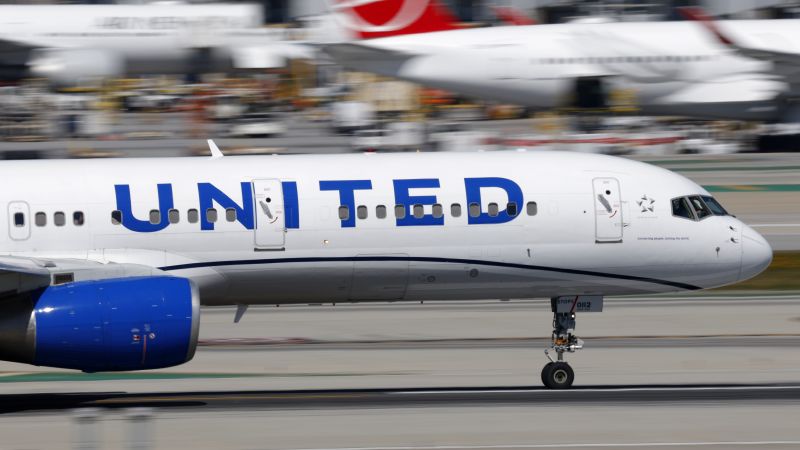
Sandego.net – On Friday, a United Airlines passenger aircraft narrowly avoided a collision with a drone while approaching Newark Liberty International Airport in New Jersey. The incident, captured in air traffic control audio verified by CNN, has raised questions about the growing presence of unmanned aerial devices near commercial flight paths. According to the pilot’s account, the aircraft came within a close proximity to the drone, prompting an urgent response from the crew to ensure the safety of all onboard.
Close Call During Landing
“We almost hit a drone,” the pilot can be heard saying in the audio recording, which highlights the moment of tension as the Boeing 737 descended for landing. The drone, described as circular and measuring approximately three feet in diameter, was reportedly at a height of around 100 feet beneath the plane when the near-miss occurred. This distance is significantly shorter than the standard safety margins maintained during approach procedures, underscoring the potential danger posed by such incidents.
United Airlines confirmed that the aircraft, which was en route from Key West, Florida, landed safely at approximately 5:30 p.m. The flight carried 106 passengers and five crew members, and all individuals exited the plane through the gate without disruption. A United Airlines representative told CNN that the incident did not affect the overall safety of the operation, though the airline is reviewing the event to assess any necessary adjustments to its procedures.
Second Report Adds to the Concern
Compounding the situation, another United Express flight operated by GoJet Airlines also reported a drone sighting shortly before landing at Newark. The pilot of that flight, flying into the same airport, described the drone as being at an altitude of roughly 2,000 feet during the approach. This second report, corroborated by air traffic control recordings from the same timeframe, suggests that the drone activity may have been more widespread than initially thought.
While the exact location and trajectory of the drones remain under investigation, the incidents highlight the challenges of managing airspace in densely populated regions. Newark Liberty International Airport, one of the busiest in the United States, is particularly vulnerable to such close encounters due to its proximity to urban areas and the frequency of drone operations nearby.
FAA Highlights Drone Activity Trends
The Federal Aviation Administration (FAA) noted that drone sightings near U.S. airports have become increasingly common, with approximately 100 incidents reported each month. This figure, provided by the agency, reflects a steady rise in drone-related near-misses and incidents over the past few years. Despite this trend, the FAA maintains strict regulations prohibiting drones from operating in controlled airspace or near manned aircraft without proper authorization.
According to FAA guidelines, operators must obtain permission from air traffic control before flying drones within certain altitudes or near airports. The agency also emphasizes the importance of pilot training and awareness programs to mitigate risks. However, the recent incidents in Newark suggest that compliance with these rules may still be inconsistent, particularly in high-traffic areas.
Implications for Air Safety
The near-miss incident has reignited discussions about the integration of drones into the national airspace system. While drones offer convenience for delivery services and recreational use, their increasing prevalence near airports poses a unique challenge to aviation safety. Pilots and air traffic controllers must now remain vigilant in identifying and avoiding these unmanned devices, especially during critical phases of flight such as landing.
Experts warn that the potential for mid-air collisions grows as drones become more sophisticated and their operational range expands. The FAA has been working to establish stricter protocols, including designated drone corridors and enhanced surveillance systems. However, incidents like the one in Newark serve as reminders of the need for continued oversight and education for drone operators.
In the wake of the event, CNN has contacted the FAA, GoJet Airlines, and Newark Liberty International Airport to gather additional details about the circumstances surrounding the drone sightings. The airline is also considering whether to update its safety protocols or implement additional measures to prevent future incidents. Meanwhile, the FAA has reiterated its commitment to ensuring the safe coexistence of drones and commercial aircraft, stating that it is actively reviewing recent cases to refine its guidelines.
Passenger Reactions and Post-Incident Procedures
United Airlines passengers on the affected flight reported no injuries or significant disruptions during the incident. However, the close call has prompted a broader conversation about the risks of drone operations near commercial airports. One passenger, who spoke to CNN after disembarking, expressed concern about the potential for a more serious accident, stating, “It was scary to hear the drone so close, but everyone stayed calm and the pilot handled it well.”
Air traffic controllers, who monitor aircraft movements in real time, play a crucial role in preventing such incidents. In the case of the Newark drone near-miss, the controllers were able to verify the audio recordings and confirm the proximity of the drone to the Boeing 737. This collaboration between pilots and air traffic control is essential in maintaining safety, even as the number of drone sightings continues to rise.
The FAA has also emphasized the importance of real-time monitoring systems, such as radar and visual observation tools, in detecting and avoiding drones. These systems are particularly vital during high-traffic periods when multiple aircraft are maneuvering simultaneously. The agency is exploring the possibility of deploying additional technology, such as Automatic Dependent Surveillance-Broadcast (ADS-B), to enhance drone detection capabilities.
As the investigation into the Newark incident unfolds, authorities are focusing on understanding the root causes and identifying preventive measures. The FAA has urged drone operators to adhere to flight regulations, especially during times when manned aircraft are in close proximity to the ground. United Airlines is also reviewing its internal procedures to ensure that its pilots are well-prepared for such scenarios, which may involve additional training or updates to emergency protocols.
The growing reliance on drones for both commercial and recreational purposes has led to a complex interplay between technology and aviation safety. While these devices offer numerous benefits, their integration into the existing airspace must be managed with care to prevent incidents like the one in Newark. As the FAA continues to refine its rules and monitor drone activity, the aviation industry remains on high alert, ensuring that the skies remain safe for all users.