Delta Flight ‘Felt a Big Bang’ After Firework Strike During Chicago Landing
Incident Details and Pilot’s Report
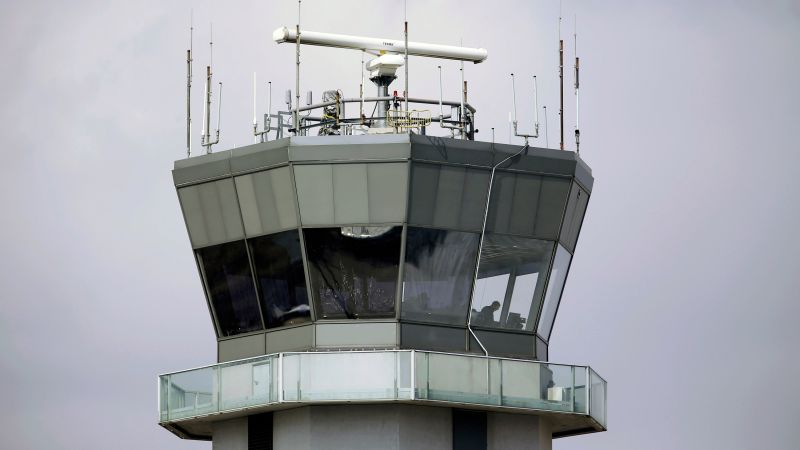
Sandego.net – On Saturday evening, a Delta Air Lines flight experienced an unexpected event as it approached Chicago Midway International Airport, according to air traffic control recordings and the airline. The pilot of Delta Flight 1076 described the moment to controllers, stating,
“We just had a firework hit our plane.”
The statement comes from the pilot’s account, which captures the suddenness of the incident. The pilot added,
“We’re just hoping it was just a mortar that went off underneath, but definitely felt a big bang.”
This suggests the object struck the aircraft with considerable force, prompting immediate concern.
The incident occurred during the flight’s descent, with the pilot noting the plane was flying at an altitude of 200 feet. This detail places the event in the lower airspace, where fireworks are often launched. Consumer-grade fireworks typically reach heights ranging from 50 to 200 feet, though professional displays can soar as high as 1,200 feet. The combination of these factors raises questions about how the firework managed to make contact with the aircraft.
Controller Response and Emergency Procedures
As the Delta flight reported the strike, air traffic controllers acknowledged the situation and advised the crew to proceed to the gate for an inspection. The controller’s response, which included the remark,
“We’ve had multiple reports of similar incidents.”
indicates a pattern of such events. This remark highlights the frequency of the problem, though no prior incidents have been confirmed as identical to this one.
The chaos escalated further when a subsequent Southwest Airlines flight entered the Midway airspace. A controller, referencing the ongoing situation, warned,
“Welcome to the war zone.”
The Southwest pilot, acknowledging the gravity of the warning, replied with a lighthearted tone,
“That’s reassuring.”
This exchange underscores the surreal nature of the event, with air traffic controllers treating the scene as if it were a battlefield.
Investigation and Official Statements
The Federal Aviation Administration (FAA) has launched an investigation into the incident, aiming to determine the cause and assess potential risks. In a formal statement, the FAA confirmed,
“Delta Air Lines Flight 1076 landed safely at Chicago Midway International Airport around 8:30 p.m. local time on Saturday, July 4.”
The agency emphasized the importance of safety, urging passengers and crew to remain vigilant.
Delta Air Lines also released a statement, highlighting that no injuries were reported during the incident. This news is crucial, as it reassures the public that the situation, while alarming, did not result in harm. The airline’s focus on safety is evident in their prompt communication about the event.
City officials were informed of the potential dangers posed by fireworks to both departing and arriving flights. According to the audio, a controller remarked,
“They said they would notify the Chicago police, but you know, I don’t know what they’ll do, right?”
This statement reflects uncertainty about the effectiveness of the response, as the situation is still under review.
Context and Broader Implications
The timing of the incident—on July 4—adds another layer of significance. This day is traditionally marked by celebrations involving fireworks, making it a prime period for such occurrences. The FAA’s investigation will likely explore whether the timing played a role in the incident, considering the high volume of fireworks in the area.
Authorities are now examining the broader implications of fireworks in the airspace near Midway Airport. The FAA has called for a review of current protocols to prevent similar incidents. While consumer fireworks are generally safe when used properly, their proximity to airfields during peak times can create unforeseen risks. This event serves as a reminder of the need for coordination between event organizers and aviation authorities.
As the investigation continues, details about the specific firework involved will be crucial. The FAA’s inquiry aims to identify whether the object was a consumer-grade firework or a more powerful professional-grade display. Understanding the type of firework will help determine the likelihood of such events recurring.
Residents and visitors in the area are being urged to stay aware of the potential for fireworks to interfere with air traffic. The incident has sparked discussions about the balance between festive traditions and aviation safety. Chicago police are now under scrutiny, with CNN reaching out to them for more information on how the situation was handled.
Public Reaction and Safety Measures
News of the firework strike has generated a mix of reactions from the public. Some express concern about the safety of air travel, while others view it as an unusual but manageable event. The FAA’s role in overseeing such incidents is critical, ensuring that all necessary precautions are taken to prevent disruptions.
Aviation experts are analyzing the possibility of similar incidents occurring in the future. The 200-foot altitude at which the Delta flight was flying increases the risk of fireworks intersecting with the aircraft. This height is within the range of many consumer fireworks, making it a plausible scenario. The FAA is expected to provide recommendations to mitigate such risks in the coming weeks.
As the investigation progresses, it will be important to determine whether the incident was an isolated event or part of a larger trend. The controller’s mention of “multiple reports” suggests that other flights may have experienced similar strikes, though details are still being gathered. This information could lead to new safety measures or adjustments in flight paths during fireworks season.
The event has also highlighted the importance of communication between air traffic controllers and pilots. In this case, the pilot’s immediate report allowed for swift action, ensuring the aircraft could be inspected promptly. This collaboration is essential in managing unexpected situations and maintaining the safety of air travel.